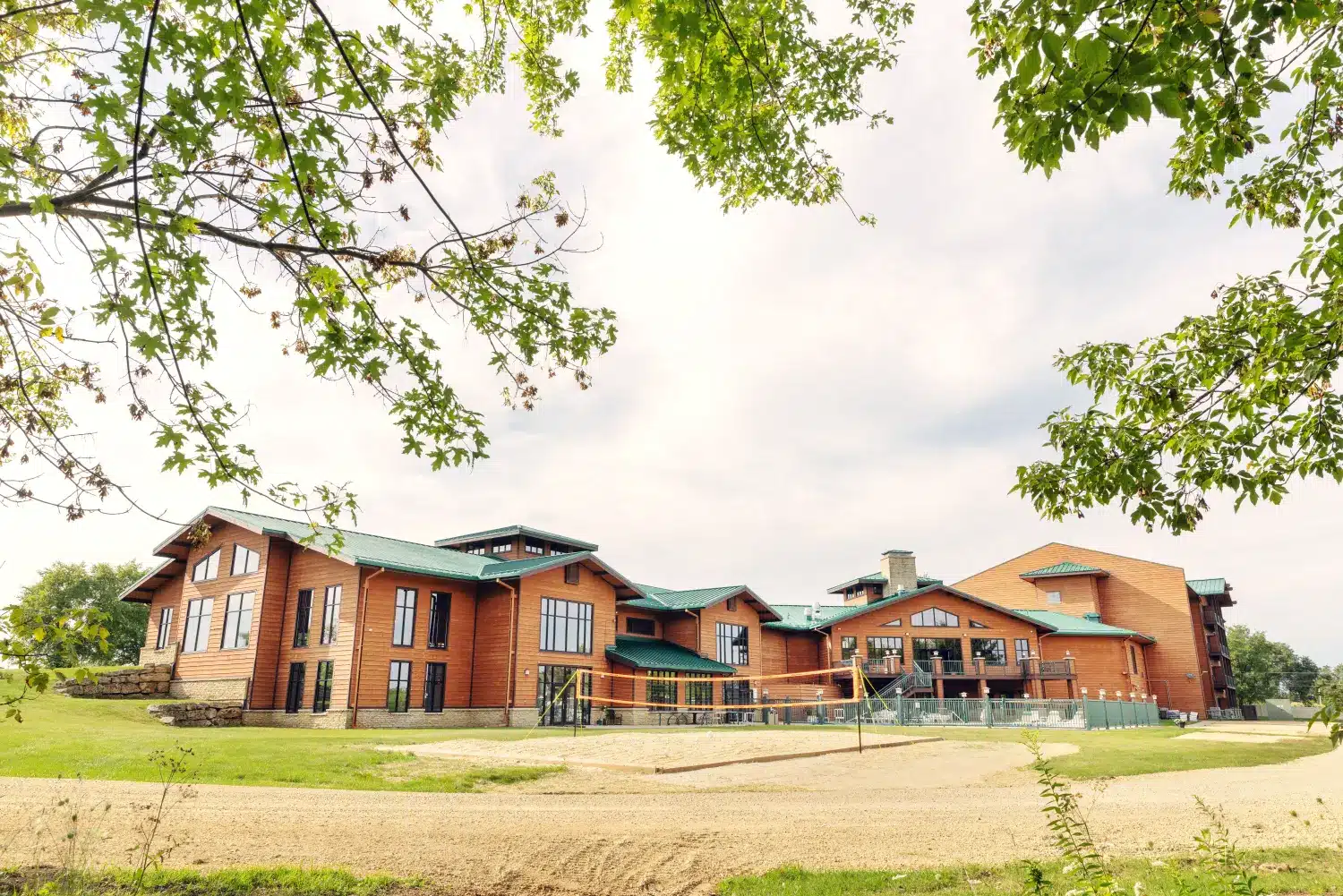
Mountain Springs Recovery - Monument, Colorado
GET HONEST & ACCURATE QUOTE
Avon Drug & Addiction Rehab: Addiction Treatment Near Avon
Upscale Colorado facility with medication assisted treatment and Non-12-Step program options
- Keep your phone and laptop
- Safe 24/7 monitored detox
- SMART options
- Dual diagnosis programs
- Long-term arrangements
- Thorough aftercare planning
- Located in Monument, CO
- Out of state options in CA, TX and IL
Check your coverage and get informed on admission process! Call us at:
 555-555-5555*
*HIPPA Compliant and 100% confidential
MAXIMIZE YOUR PPO COVERAGE WITH OUR HELP
We will work with insurance to get you the best possible coverage and minimize expenses.
When drug or alcohol use begins affecting your health, relationships, work, or ability to feel in control, asking for help can be an important first step. Sunshine Behavioral Health helps Avon residents and their families understand their treatment options and identify an appropriate level of care. Depending on your needs, that may involve community-based outpatient support near Avon or temporarily leaving home for medical detox and residential treatment elsewhere in Colorado.
For adults who need a structured setting away from familiar triggers, we may recommend Mountain Springs Recovery, our addiction treatment center in Monument, Colorado. Mountain Springs provides medical detox, residential treatment, dual-diagnosis services, and continuing-care planning in a supportive environment. Although the facility is not located in Avon, it allows Colorado residents to create meaningful distance from their normal routines without leaving the state.
Our admissions team can confidentially discuss your substance use, health, prior treatment experiences, and current circumstances. We can also verify your insurance benefits and explain which services may be appropriate. A conversation does not obligate you to enter treatment.
Finding Addiction Treatment Near Avon, Colorado
Deciding to seek addiction treatment can feel overwhelming. You may be uncertain whether your substance use is serious enough to require professional care, worried about stepping away from work or family, or unsure how to compare programs. You do not have to make every decision on your own.
The right program depends on more than your address. During an initial assessment, treatment professionals may consider:
- The substances you use and whether you use more than one
- How frequently and how long you have been using them
- The amount you typically use and whether your tolerance has increased
- Your current symptoms and potential withdrawal risks
- Any history of overdose, seizures, severe withdrawal, or other emergencies
- Previous efforts to stop and what contributed to a return to use
- Your physical health, mental health, and current medications
- Whether your home is safe, stable, and supportive of recovery
- The availability of dependable transportation and ongoing support
- Your responsibilities at work, school, and home
Some people can begin recovery while continuing to live at home. Others benefit from a residential setting where care, structure, and peer support are available throughout the day. Avon residents do not necessarily need to select whichever program is geographically closest. Clinical fit, safety, program quality, and the ability to address the whole person often matter more than convenience alone.
Leaving Eagle County for a period can also interrupt routines tied to substance use. Physical distance may reduce contact with drinking companions, drug access, stressful relationships, and places associated with use. It can provide privacy in a close-knit mountain community and allow a person to focus on recovery without everyday household and professional demands.
Mountain Springs Recovery is Sunshine Behavioral Health’s in-state treatment option in Monument. The setting gives Avon residents space from familiar pressures while keeping treatment within Colorado and allowing appropriate family involvement.
When Is Professional Addiction Treatment Necessary?
Addiction does not look the same for everyone. A person may still have a job, maintain relationships, or appear outwardly successful while struggling privately. A professional evaluation may be appropriate if you or someone close to you:
- Cannot consistently reduce or stop using a substance
- Needs larger amounts to experience the same effect
- Develops physical or emotional symptoms when use stops
- Uses alcohol or drugs to function, sleep, socialize, or manage emotions
- Continues using despite medical, relationship, financial, professional, or legal consequences
- Is missing work, performing poorly, or becoming unreliable at school or home
- Has lost interest in responsibilities, relationships, or activities that once mattered
- Uses alone, hides substances, or conceals how much or how often they use
- Combines alcohol, prescription medications, or illicit drugs
- Has experienced an overdose, blackout, injury, or other substance-related emergency
- Has returned to use after trying to stop without adequate support
- Experiences depression, anxiety, trauma symptoms, extreme mood changes, or suicidal thoughts alongside substance use
You do not have to wait for a crisis or lose everything before seeking care. An assessment can help determine whether education and outpatient support are sufficient or whether detox, residential treatment, or another intensive program is safer.
Mountain Springs Recovery: An In-State Option for Avon Residents
Mountain Springs Recovery is a Sunshine Behavioral Health location at 1865 Woodmoor Drive in Monument, Colorado. The facility serves adults seeking help for substance use disorders and provides monitored medical detox, residential treatment, dual-diagnosis services, medication-assisted treatment when clinically appropriate, PHP and IOP options, and aftercare planning.
Mountain Springs is not in Avon or Eagle County. It is an in-state option roughly 156 miles away by road, with a typical drive of approximately three hours under favorable conditions. I-70 congestion, construction, winter weather, and mountain road conditions can substantially change that estimate.
The distance can be useful rather than simply inconvenient. Clients can remain within Colorado while stepping away from the people, places, obligations, and routines that have become connected with substance use.
Why Avon Residents May Choose Treatment in Monument
Avon is an active mountain community influenced by tourism, seasonal employment, recreation, and the nearby resort economy. These qualities can make it a rewarding place to live, but they can also create particular recovery challenges. Alcohol may be prominent in social events, hospitality work, and nightlife. Irregular schedules, expensive housing, physical injuries, isolation, and periods of high work stress can also affect wellbeing.
Treatment in Monument may give an Avon resident:
- Separation from people, places, and routines associated with substance use
- Reduced exposure to alcohol-centered professional and social environments
- Greater privacy than seeking intensive treatment close to home
- A structured environment with support available throughout the day
- Time to focus on recovery without ordinary household or workplace demands
- The ability to remain in Colorado and involve family when clinically appropriate
- Help developing a realistic plan for returning to Eagle County
Distance alone does not create recovery. It can, however, make room for focused clinical work and give new habits time to develop before a person returns to familiar challenges.
What Mountain Springs Recovery Treats
Our clinical recommendations are based on each person’s full history and needs. Mountain Springs Recovery treats a range of substance use disorders, including those involving alcohol, opioids, benzodiazepines, stimulants, marijuana, prescription medications, and multiple substances.
Alcohol Addiction
Alcohol use disorder can involve difficulty controlling drinking, strong cravings, increasing tolerance, withdrawal, or continued drinking despite harm. A person may use alcohol to feel comfortable socially, fall asleep, cope with stress, or prevent withdrawal symptoms. Over time, drinking may become central to daily life even if the consequences remain hidden from others.
Stopping heavy or prolonged alcohol use suddenly can cause dangerous withdrawal, including severe confusion and seizures. Medical detox allows staff to assess risk, monitor symptoms, and use appropriate interventions. Once a client is stable, treatment can address personal triggers, beliefs about alcohol, coping patterns, relationships, and relapse prevention.
For someone returning to Avon, planning may include how to navigate hospitality settings, après-ski culture, celebrations, tourism seasons, and social circles where drinking is common. The goal is not merely to avoid alcohol during treatment but to build a life in which sobriety has practical support.
Opioid Addiction
Opioid addiction may involve prescription pain medication, heroin, fentanyl, or counterfeit pills containing unexpected opioids. Tolerance can increase quickly, and overdose risk is especially high when fentanyl is present or when multiple depressants are combined.
Treatment may begin with withdrawal management and can include medication-assisted treatment when clinically appropriate. Medications can help reduce withdrawal symptoms or cravings for some clients and are combined with counseling and recovery planning rather than treated as a substitute for behavioral care.
Opioid treatment should also address overdose prevention. Clients and families can learn how to recognize an overdose, obtain and use naloxone, avoid dangerous drug combinations, and understand that tolerance can fall during abstinence. Returning to a previous amount after time away from opioids can be fatal.
Benzodiazepine Addiction
Benzodiazepines include medications such as Xanax, Ativan, Klonopin, and Valium. They may be prescribed for anxiety, panic, insomnia, or other conditions, but regular use can result in physical dependence. Misuse can involve taking more than prescribed, using someone else’s medication, obtaining pills outside medical care, or feeling unable to function without the drug.
Abrupt benzodiazepine withdrawal may be medically dangerous. The risk can be greater when benzodiazepines are combined with alcohol or opioids because these substances can compound sedation and suppress breathing. Detox planning must be individualized based on the specific medication, dose, duration, other substance use, and medical history.
Stimulant Addiction
Stimulant use disorders can involve cocaine, methamphetamine, or misused prescription stimulants. People may use stimulants for energy, confidence, focus, socializing, or extended work. Continued use can contribute to intense cravings, sleep disruption, anxiety, agitation, depressed mood, exhaustion, and problems with judgment or physical health.
Treatment helps clients identify the emotional, social, and environmental cues connected with use. It also supports the slow work of restoring sleep, nutrition, daily structure, and natural sources of motivation. Therapy can help a person respond differently to boredom, fatigue, work pressure, and the desire for stimulation.
Marijuana Addiction
Cannabis is legal for adults in Colorado, but legal availability does not mean use is harmless or controllable for everyone. Cannabis use may become problematic when a person repeatedly uses more than intended, cannot cut back, organizes daily life around use, or continues despite effects on motivation, memory, mood, sleep, work, or relationships.
Treatment is not based on judging cannabis use. It focuses on whether the person’s pattern causes impairment or distress and whether they have lost meaningful control. Counseling can address cravings, routines, social influences, emotional coping, and expectations about what cannabis does for them.
Prescription Drug Addiction
Prescription drug misuse can involve pain medications, sedatives, stimulants, sleep medications, or multiple prescriptions. A medication can be medically appropriate and still lead to dependence or misuse. Warning signs may include increasing doses without medical direction, visiting multiple prescribers, combining medications to intensify effects, or using a prescription for reasons other than intended.
Treatment considers the underlying condition for which the medication was originally prescribed. Recovery planning may require coordination around pain, anxiety, attention difficulties, sleep, or another health concern so the client is not left without safer ways to manage symptoms.
Polysubstance Use
Using more than one substance can make intoxication, withdrawal, and treatment more complicated. Combining depressants—such as alcohol, opioids, and benzodiazepines—can sharply increase the risk of slowed breathing, loss of consciousness, and death. Stimulants do not safely “cancel out” depressants and may disguise how impaired a person is.
Admissions and medical staff need an accurate account of all substances, supplements, and medications used, even if some use feels infrequent or embarrassing. Honest information helps the team anticipate interactions, withdrawal risks, and appropriate monitoring. Treatment can then address overlapping addictions as part of one coordinated plan.
Dual-Diagnosis Treatment for Addiction and Mental Health Conditions
Substance use and mental health can affect each other in complicated ways. Some people use alcohol or drugs to numb trauma, reduce anxiety, change their mood, sleep, or cope with chronic stress. In other cases, substance use creates or worsens psychiatric symptoms. It is also possible for both conditions to exist independently.
Co-occurring concerns may include depression, anxiety disorders, post-traumatic stress disorder, bipolar disorder, ADHD, grief, trauma, sleep disorders, and prolonged stress. This does not mean every client has a mental health diagnosis. It means an effective assessment should look beyond substance use alone.
If treatment focuses only on stopping the substance while leaving significant anxiety, depression, trauma responses, or mood instability unaddressed, those symptoms may continue to trigger cravings and relapse. Dual-diagnosis care uses integrated assessment and treatment planning to address both areas. Depending on the client’s needs, services may include psychiatric support, medication management, trauma-informed care, individual counseling, group work, and practical coping skills.
The purpose is not to assign labels unnecessarily. It is to understand the full set of factors affecting recovery and develop strategies that do not depend on alcohol or drugs.
Addiction Therapies and Recovery Approaches
No single therapy or recovery philosophy is right for everyone. Mountain Springs Recovery combines clinical services, recovery education, peer support, and wellness activities within an individualized plan.
Individual Therapy
Individual sessions give clients private time with a therapist to examine the causes and consequences of substance use. The work may include setting goals, identifying relapse patterns, addressing stress or trauma, improving relationships, and evaluating beliefs that maintain substance use. Individual therapy also allows the plan to evolve as the client gains insight and makes progress.
Group Therapy
Addiction often thrives in secrecy and isolation. Group therapy gives clients the opportunity to learn from others, receive honest feedback, practice communication, and recognize that they are not alone. A well-facilitated group can create accountability while allowing members to test new coping and relationship skills in a supportive setting.
Cognitive Behavioral Therapy
Cognitive behavioral therapy helps people identify relationships among thoughts, emotions, situations, and behavior. A client might learn to recognize the thought that makes returning to use seem inevitable, evaluate whether it is accurate, and practice a different response. CBT skills can be applied to cravings, stress, shame, conflict, and other common relapse triggers.
Motivational Interviewing
It is common to feel conflicted about recovery. A person may recognize the damage caused by substance use while also fearing life without it. Motivational interviewing helps clients explore that uncertainty without confrontation. The approach draws out personal reasons for change and strengthens commitment to goals that matter to the client.
Family Involvement
Addiction affects families, and family patterns can affect recovery. When appropriate and authorized by the client, family involvement can help loved ones understand addiction, improve communication, establish healthier boundaries, and begin rebuilding trust.
Family support is not the same as rescuing a person from every consequence. Education can help relatives distinguish supportive actions from enabling and prepare for challenges after discharge. Participation depends on clinical appropriateness, consent, and the needs of everyone involved.
12-Step and Non-12-Step Options
Recovery does not follow one universal model. Some clients find purpose, community, and accountability through traditional 12-Step principles and meetings. Others connect more strongly with secular or skills-based approaches.
Mountain Springs offers SMART Recovery and other non-12-Step options in addition to traditional recovery resources. SMART Recovery emphasizes self-management and practical tools for building motivation, coping with urges, managing thoughts and behavior, and creating a balanced life. Treatment planning can incorporate approaches that align with the client’s needs, beliefs, and recovery goals.
Holistic and Experiential Services
Clinical treatment can be supported by activities that improve overall well-being. Mountain Springs incorporates options such as recreation, fitness, mindfulness, nutritional support, and other holistic experiences as appropriate. These services can help clients reconnect with their bodies, manage stress, establish routines, and discover substance-free ways to use time.
Holistic services complement, not replace, medical care, counseling, and evidence-informed addiction treatment. The exact activities offered may vary, so prospective clients should ask admissions about current programming.
Traveling From Avon to Mountain Springs Recovery
Mountain Springs Recovery is in Monument, north of Colorado Springs. The drive from Avon is approximately 156 miles and often takes around three hours in favorable conditions. A common route uses I-70 toward the Front Range and then continues south toward Monument. Actual travel time may be considerably longer because of ski traffic, construction, crashes, snow, ice, or mountain closures.
Speak with admissions before leaving Avon or purchasing a ticket. The team can confirm the admission date and time, discuss the safest travel plan, and explain what transportation assistance may be available. Denver International Airport may be useful for some itineraries, but airport transportation depends on the facility’s current policies, service radius, scheduling, and the client’s specific arrangements. Do not assume pickup is available until admissions confirms it.
What to Bring to Treatment
Packing requirements can change, and all belongings are subject to current facility rules. Clients are commonly asked to bring:
- Government-issued identification
- An insurance card
- Approved prescriptions in their original labeled containers
- Comfortable, facility-appropriate clothing
- Seasonal clothing suitable for Colorado weather
- Compliant personal hygiene items
- Emergency contact information
- An approved payment method for permitted personal expenses
- A journal or notebook, if allowed
Some toiletries, medications, electronics, clothing, and other items may be restricted for safety or privacy. Ask admissions for the current packing list and prohibited-items policy before traveling.
Can Clients Bring Phones and Laptops?
Mountain Springs Recovery is a phone- and laptop-friendly facility. The ability to stay in contact with loved ones or attend to limited essential responsibilities can make treatment more practical for some adults.
Technology access does not mean devices can interfere with care. Clients are expected to attend required groups, therapy, and other scheduled programming. Privacy, safety, clinical needs, and appropriate use remain important. Confirm current rules, permitted times, and any device restrictions with admissions before arrival.
Paying for Addiction Treatment
Cost should be discussed early and clearly. The amount a person pays can vary substantially based on the level and length of care, insurance benefits, network status, authorizations, and other plan terms.
Many private health plans include benefits for substance use disorder treatment, but coverage is not automatic or identical across policies. Detox and residential care may require prior authorization and documentation that the service is medically necessary. A plan may apply a deductible, copayment, coinsurance, or limitations on providers and levels of care.
Our admissions team can confidentially verify benefits and explain the information received from the insurer. Verification provides an estimate based on available information; it is not a guarantee of payment.
People without usable insurance may ask about self-pay pricing. Do not delay emergency care because of payment concerns. For planned treatment, however, a direct financial conversation can help prevent surprises and allow the family to evaluate realistic options.
How to Help a Loved One Struggling With Addiction
You cannot force another adult to embrace recovery, but you can communicate concern, reduce immediate risk, and make help easier to access.
- Choose a calm, private time when the person is not intoxicated.
- Describe specific events you have observed rather than labeling or attacking them.
- Explain how the behavior has affected safety, health, trust, or family life.
- Listen without agreeing to minimize dangerous behavior.
- Avoid arguing while the person is intoxicated or highly agitated.
- Research realistic treatment options before the conversation.
- Offer to sit with them while they call admissions or verify insurance.
- Help arrange transportation or care for essential responsibilities when appropriate.
- Set clear boundaries around unsafe, abusive, or financially harmful behavior.
- Avoid repeatedly shielding the person from every consequence of substance use.
- Consider working with a qualified intervention professional if earlier conversations have not helped.
- Keep naloxone available when opioid exposure is possible.
Try to avoid shame, threats you will not follow through on, or debates about whether the person is “really an addict.” The immediate question is whether substance use is causing harm and what type of help could improve safety.
If the person threatens suicide, becomes violent, cannot be awakened, has trouble breathing, experiences a seizure, or appears to be overdosing, call emergency services. Safety takes priority over persuading them to enter a particular program.
Begin Your Recovery Away From the Pressures of Daily Life
Avon residents can access comprehensive addiction treatment without leaving Colorado. At Sunshine Behavioral Health, we help individuals and families understand their options and take the next appropriate step. For adults who need a structured environment away from familiar triggers, Mountain Springs Recovery in Monument may provide the distance, clinical support, and focused time needed to begin building recovery.
Our admissions team can discuss your concerns, review potential treatment needs, verify insurance benefits, and help you think through travel. The conversation is private, confidential, and nonjudgmental.
Frequently Asked Questions About Avon Addiction Treatment
Is there a drug and alcohol rehab in Avon, Colorado?
Avon and the surrounding Eagle Valley have behavioral health, crisis, outpatient, and peer-support resources. The exact services offered locally can change, and not every provider offers medical detox or residential addiction treatment. Mountain Springs Recovery is not located in Avon. It is Sunshine Behavioral Health’s residential treatment location in Monument and may be an option for Avon adults who need more intensive, structured care.
How far is Mountain Springs Recovery from Avon?
Mountain Springs Recovery is approximately 156 driving miles from Avon, and the trip may take around three hours in favorable conditions. Traffic on I-70, construction, ski-season congestion, snow, ice, and mountain closures can add considerable time. Confirm your admission arrangements and check road conditions before departure.
Is it better to attend rehab outside my hometown?
For some people, leaving home provides privacy, reduces daily distractions, and creates separation from people and places associated with substance use. Others benefit from treatment close to their established support network. The best choice depends on clinical needs, safety, program quality, family involvement, and the home environment—not distance alone.
Does Mountain Springs Recovery provide medical detox?
Yes. Mountain Springs Recovery offers monitored medical detox. Before admission, the team assesses the substances used, withdrawal risk, health history, and other relevant factors to determine whether its detox services are appropriate. Severe withdrawal or another emergency may require immediate hospital care rather than routine admission.
How long does addiction treatment last?
There is no single appropriate length for everyone. The duration can depend on the substances involved, withdrawal, physical and mental health, progress, living situation, clinical recommendations, and insurance authorization. Treatment should also include a continuing-care plan, so support does not end when residential care does.
Can I keep working while I am in rehab?
Residential treatment requires consistent participation in therapy, groups, and other scheduled services, so maintaining a normal work schedule is generally unrealistic. Mountain Springs is technology-friendly, and limited essential communication may be possible when it does not interfere with care. Ask admissions about current policies and consider discussing medical leave or delegated responsibilities before admission.
Can I bring my phone or laptop to treatment?
Mountain Springs Recovery permits phones and laptops, subject to current facility rules and clinical expectations. Clients must participate in required programming, and device use cannot compromise privacy, safety, or treatment. Confirm permitted use and any restrictions before arrival.
Does insurance cover rehab for Avon residents?
Many private insurance plans include benefits for addiction treatment. Actual coverage depends on the policy, network, medical necessity, requested level of care, prior authorization, deductible, copayments, and coinsurance. Sunshine Behavioral Health can verify your benefits, but verification is not a guarantee that the insurer will pay every claim.
Can my family participate in my treatment?
Family involvement may include education, therapeutic sessions, discharge planning, or conversations about communication and boundaries when it is clinically appropriate and the client provides necessary consent. The form and frequency of involvement depend on the treatment plan and the family’s circumstances.
What happens after I return to Avon?
Before discharge, the team can help establish an individualized continuing-care plan. It may include local or telehealth therapy, outpatient programming, psychiatric services, medication management, peer-support meetings, alumni connections, and a relapse-response plan. The goal is to create support that fits the person’s home, work, transportation, and relationships in Avon.
What should I do if someone is overdosing?
Call 911 immediately. If an opioid overdose is possible and naloxone is available, administer it according to its instructions. Follow the dispatcher’s directions, provide rescue breathing or CPR if instructed and able, and stay with the person until emergency responders arrive. Additional naloxone doses may be needed. Do not assume the person will recover simply because they begin breathing again.
Medical disclaimer:
Sunshine Behavioral Health strives to help people who are facing substance abuse, addiction, mental health disorders, or a combination of these conditions. It does this by providing compassionate care and evidence-based content that addresses health, treatment, and recovery.
Licensed medical professionals review material we publish on our site. The material is not a substitute for qualified medical diagnoses, treatment, or advice. It should not be used to replace the suggestions of your personal physician or other health care professionals.