Mountain Springs Recovery - Monument, Colorado
GET HONEST & ACCURATE QUOTE
Avondale Drug & Addiction Rehab: Addiction Treatment Near Avondale
Upscale Colorado facility with medication assisted treatment and Non-12-Step program options
- Keep your phone and laptop
- Safe 24/7 monitored detox
- SMART options
- Dual diagnosis programs
- Long-term arrangements
- Thorough aftercare planning
- Located in Monument, CO
- Out of state options in CA, TX and IL
Check your coverage and get informed on admission process! Call us at:
 555-555-5555*
*HIPPA Compliant and 100% confidential
MAXIMIZE YOUR PPO COVERAGE WITH OUR HELP
We will work with insurance to get you the best possible coverage and minimize expenses.
When alcohol or drug use begins affecting your health, relationships, work, or sense of control, asking for help can feel overwhelming. You may be unsure what kind of treatment you need, whether you can afford care, or how to step away from daily responsibilities. If you are trying to help someone you love, you may also be carrying fear, frustration, and uncertainty about what to do next.
Sunshine Behavioral Health helps people in Avondale, Colorado, explore treatment options based on their clinical needs, not simply the closest program available. Our Mountain Springs Recovery center in Monument offers medical detoxification, residential addiction treatment, dual-diagnosis care, medication-assisted treatment options, multiple recovery pathways, and individualized continuing-care planning. Treatment is confidential, and our admissions team can help you understand your options and verify your insurance benefits before you make a decision.
If you or someone else is experiencing an overdose, having trouble breathing, having a seizure, losing consciousness, or facing an immediate threat of self-harm, call 911 right away. For suicidal thoughts or a mental health crisis, call or text 988 for the Suicide & Crisis Lifeline.
Addiction Treatment Near Avondale, Colorado
Avondale is a small Pueblo County community east of Pueblo. Its rural setting can offer familiarity and close community ties, but it also means residents have fewer nearby addiction treatment choices than people living in a larger city. Outpatient counseling, peer support, medication services, and other resources may be available in the Pueblo area. Someone who needs medical detox or the structure of a residential program, however, may need to travel farther.
The nearest provider is not necessarily the right provider. An effective placement should be able to address the substances being used, withdrawal risks, physical health needs, mental health symptoms, previous treatment experiences, and home environment. It should also offer enough structure to protect the person during the vulnerable first stage of recovery.
Mountain Springs Recovery gives Avondale residents an in-state option away from familiar access to substances and day-to-day triggers. The Monument campus can be reached by traveling west toward Pueblo and then north along the Interstate 25 corridor through Colorado Springs. The trip is approximately 75 miles and often takes around one hour and 15 minutes under normal conditions, although traffic, construction, weather, and the starting point within Avondale can change the route and travel time.
When Is It Time To Consider Addiction Treatment?
You do not have to lose everything or “hit rock bottom” before seeking treatment. Early support can prevent further medical, emotional, financial, and legal consequences. An assessment may be worthwhile if you recognize one or more of the following patterns:
- You have tried to cut back or stop but have been unable to do so.
- Cravings occupy your thoughts or influence how you plan your day.
- You feel sick, anxious, shaky, restless, or unable to sleep when you stop using.
- You need more alcohol or drugs to experience the effect you once achieved with less.
- You use substances to cope with stress, trauma, grief, anxiety, depression, or difficult memories.
- Work, school, parenting, or household responsibilities are being neglected.
- You continue using despite damage to your health, relationships, finances, or legal situation.
- You drive, work, care for children, or take other risks while impaired.
- You have withdrawn from people or activities that were once important to you.
- You have returned to use repeatedly after attempting to quit.
- You mix substances or take drugs whose contents or strength are unknown.
- You have survived an overdose or recently witnessed one.
Some changes require urgent medical attention. Severe withdrawal, overdose symptoms, suicidal thoughts, seizures, loss of consciousness, bluish lips or fingertips, and slow or difficult breathing are emergencies. Call 911 rather than trying to transport or manage the person alone.
Drug and Alcohol Addictions Treated
Substance use disorders are treatable health conditions, not failures of character or willpower. Each substance presents different withdrawal risks, patterns of reinforcement, and medical concerns. Treatment should address the person’s full pattern of use rather than reducing the problem to a label.
Alcohol Addiction
Alcohol use may have become a disorder when drinking is difficult to control, takes priority over responsibilities, continues despite consequences, or causes tolerance and withdrawal. A person may drink throughout the day, hide alcohol, experience blackouts, or repeatedly promise to stop without being able to follow through.
Alcohol withdrawal can be dangerous and sometimes life-threatening. People with heavy or prolonged alcohol use should seek medical guidance before stopping abruptly. When appropriate, medical detox can stabilize the person before therapy begins.
Ongoing treatment examines drinking triggers, cravings, stress, relationships, routines, and beliefs about alcohol. Clients can learn practical relapse-prevention skills and plan for sober daily life after returning to Avondale.
Opioid Addiction
Opioid use disorder may involve heroin, illicit fentanyl, or prescription pain medications such as oxycodone or hydrocodone. Opioids can produce intense cravings and physical dependence. Illicitly manufactured fentanyl has also increased the risk that a person will unknowingly consume a highly potent opioid.
Treatment may combine withdrawal management, counseling, peer support, overdose-prevention education, and medication-assisted treatment when clinically appropriate. Families should learn how to recognize an opioid overdose and use naloxone. Because tolerance may decline during a period of abstinence, returning to a previous dose after detox or treatment can sharply increase overdose risk.
Benzodiazepine Addiction
Benzodiazepine dependence can develop with medications such as Xanax, Ativan, Klonopin, or Valium. Misuse may involve taking more than prescribed, using someone else’s medication, combining pills with alcohol or opioids, or feeling unable to function without the drug.
Suddenly stopping benzodiazepines after regular use can cause severe anxiety, confusion, seizures, and other serious complications. A medically supervised taper or detox may be necessary. Treatment should also address the anxiety, insomnia, panic, trauma, or other symptoms the person was attempting to manage.
Stimulant Addiction
Stimulant addiction may involve cocaine, crack cocaine, methamphetamine, or prescription medications used outside medical direction. Common effects include intense cravings, disrupted sleep, appetite changes, agitation, paranoia, depression, and exhaustion after use stops.
Behavioral therapy can help clients recognize triggers, interrupt compulsive patterns, and tolerate cravings without acting on them. Restoring sleep, nutrition, physical health, and a predictable daily routine is also important. When stimulant use has contributed to anxiety, depression, psychosis, or other psychiatric symptoms, integrated mental health care may be needed.
Marijuana Addiction
Cannabis is not disruptive for every person who uses it, but some people develop a pattern that is difficult to control. Warning signs may include using more than intended, unsuccessful attempts to quit, loss of motivation, memory or concentration problems, conflict in relationships, and declining performance at work or school.
After stopping, some people experience irritability, restlessness, sleep problems, vivid dreams, appetite changes, or cravings. Treatment can address these symptoms while helping the person understand the emotional, social, or situational reasons cannabis became a primary coping tool.
Prescription Drug Addiction
Prescription drug misuse can involve opioid pain medications, sedatives, sleep medications, stimulants, and other habit-forming drugs. A prescription does not eliminate the possibility of dependence or addiction, especially when the medication is taken differently from how it was directed.
Treatment must consider both the substance use and the medical issue for which the medication was originally prescribed. A client with chronic pain, ADHD, anxiety, or insomnia may need alternative medical strategies rather than simply having a medication removed without a replacement plan.
Polysubstance Use
Using multiple substances can make intoxication, withdrawal, and treatment more complex. Combining opioids with alcohol or benzodiazepines, for example, can dangerously suppress breathing. Mixing stimulants and depressants does not make either one safe; it can mask warning signs and place additional strain on the body.
During assessment, clients should disclose every substance, medication, supplement, and counterfeit pill they may have used. Honest information helps the medical team plan safer stabilization and build treatment around the person’s complete needs.
Dual-Diagnosis Treatment for Addiction and Mental Health
Addiction frequently occurs alongside a mental health condition. Some people use substances to numb painful symptoms, while substance use can also trigger or intensify anxiety, depression, sleep disruption, paranoia, and mood instability. Treating only one side can leave powerful relapse drivers unresolved.
Co-occurring concerns may include:
- Anxiety disorders
- Depression
- Post-traumatic stress disorder
- Bipolar disorder
- Attention-deficit/hyperactivity disorder
- Trauma-related symptoms
- Grief and loss
- Personality disorders
- Sleep disorders
Mountain Springs Recovery offers dual-diagnosis programming. Integrated assessment looks at substance use, mental health, physical health, medications, and personal history together. The care team can then individualize therapy, psychiatric support, and medication management when appropriate.
It is not always immediately clear whether a symptom existed before substance use or was caused or intensified by it. Observation over time helps clinicians understand that relationship. Regardless of the order in which symptoms developed, clients can learn coping skills that do not depend on alcohol or drugs.
What Treatment at Mountain Springs Recovery May Include
No two clients arrive with the same history or goals. Services are organized around an individualized treatment plan and adjusted as the person progresses.
Comprehensive Assessment and Personalized Planning
Planning begins with a careful review of the client’s substance use, physical and mental health, previous treatment, withdrawal and overdose history, medications, family environment, work or personal responsibilities, recovery goals, and anticipated discharge needs.
This information helps the team identify immediate risks and longer-term priorities. A treatment plan provides structure, but it should not force every client through an identical experience. Recommendations may change as the team learns more about the person and observes how they respond to care.
Individual Therapy
Individual sessions give clients private space to examine the patterns beneath substance use. Depending on the person, therapy may focus on recognizing triggers, processing grief or trauma, managing difficult emotions, improving decision-making, repairing self-trust, setting achievable goals, or preparing for high-risk situations after discharge.
Group Therapy
Addiction often thrives in secrecy and isolation. Group therapy allows clients to learn from people facing similar challenges, practice honest communication, receive constructive feedback, and develop interpersonal skills. A healthy peer community can show a person that accountability and compassion can exist together.
Family Support and Education
Substance use can affect the entire family. Education and family-oriented support can help loved ones understand addiction, recognize enabling patterns, establish healthier boundaries, and communicate more clearly. The goal is not to force immediate trust or erase past harm. It is to begin building safer, more realistic relationships and prepare everyone for the transition home.
Family members may also benefit from their own counseling or peer-support groups. Recovery is more sustainable when loved ones have support and do not make one person’s treatment responsible for the well-being of the entire household.
Evidence-Based Behavioral Therapies
Treatment may draw from cognitive behavioral strategies, motivational interviewing, relapse-prevention work, psychoeducation, trauma-informed care, experiential activities, and skills associated with dialectical behavior therapy. The precise mix depends on clinical recommendations and current programming. Admissions can explain which therapies are presently available and how they may fit an individual’s needs.
Medication-Assisted Treatment
Medication-assisted treatment, or MAT, combines approved medications with counseling and recovery support. For some people with opioid or alcohol use disorders, medication can reduce withdrawal symptoms, cravings, and relapse risk. It can give the person greater stability while they work on behavioral, emotional, and practical changes.
MAT is not appropriate for every client, and there is no single medication that fits everyone. Selection depends on medical evaluation, the substance involved, health history, treatment goals, and other medications. Mountain Springs Recovery promotes MAT options; prospective clients should discuss eligibility and currently available medications with admissions.
12-Step and Non-12-Step Recovery Options
Recovery is not limited to one philosophy. Traditional 12-Step participation emphasizes peer fellowship, personal accountability, and a structured series of steps. Many people find lasting community and meaning through this approach.
Others prefer secular or skills-based options. SMART Recovery, for example, emphasizes motivation, managing urges, changing unhelpful thoughts and behaviors, and building a balanced life. Mountain Springs Recovery advertises SMART and Non-12-Step options so clients can explore a path that fits their beliefs, comfort level, and recovery goals.
What a Typical Day in Residential Rehab May Look Like
Schedules vary, but an example day might begin with a wellness or mindfulness activity, followed by breakfast and any scheduled medication administration. The morning may include an educational or process group, while individual therapy or clinical appointments take place later.
After lunch and personal time, clients may participate in a skills-based group, an experiential activity, fitness, recreation, or appropriate outdoor time. Dinner may be followed by a peer-support meeting, reflection, and time to prepare for sleep.
A predictable routine is therapeutic in its own right. Regular sleep, balanced meals, scheduled responsibilities, and repeated practice can support emotional regulation and personal accountability. The structure also gives clients a foundation they can adapt to life after treatment.
Mountain Springs Recovery Amenities and Environment
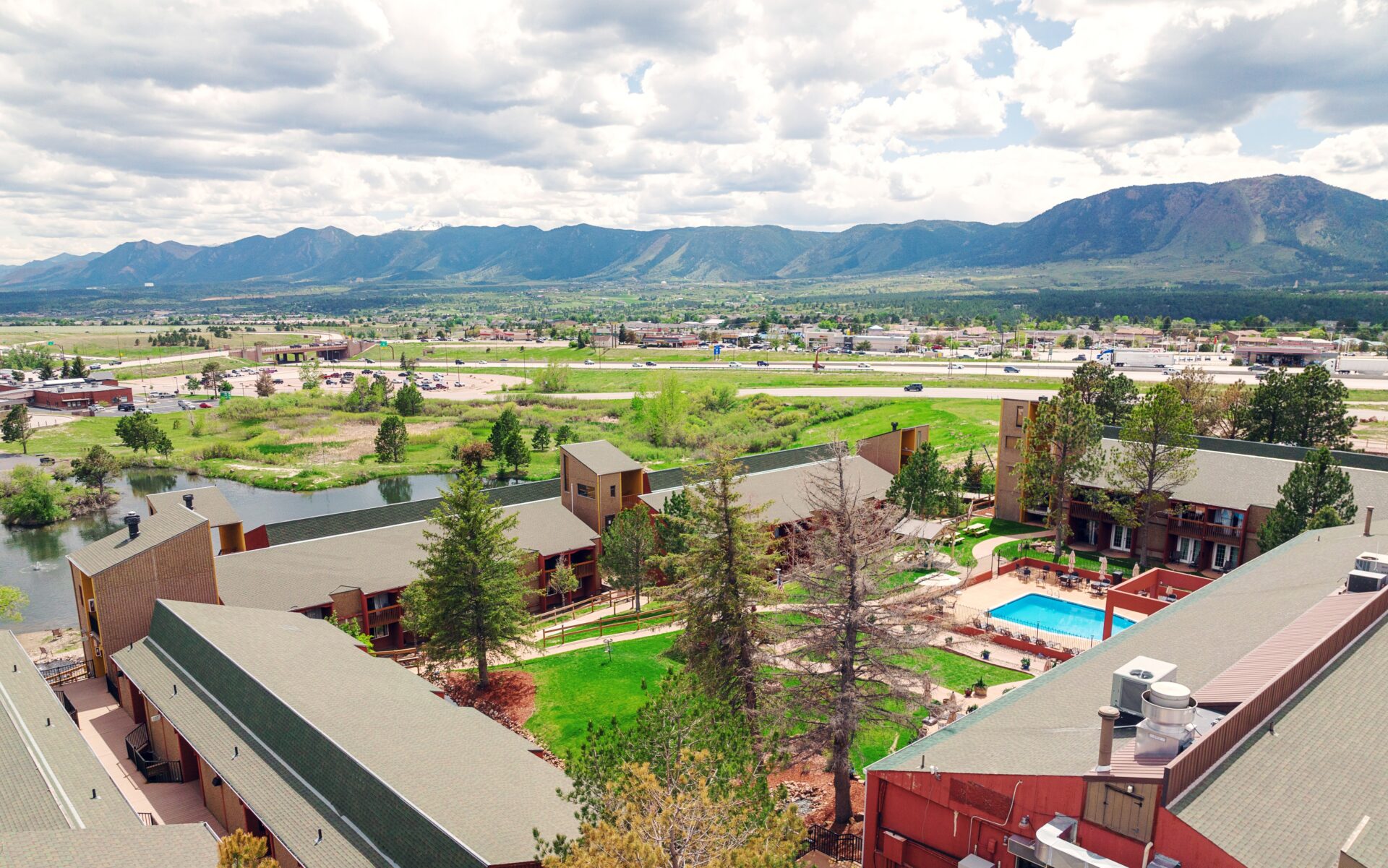
Mountain Springs Recovery is located in Monument near Colorado’s mountain landscape. The setting allows clients to step away from everyday triggers while remaining in their home state. Comfortable surroundings matter because people do challenging work in treatment, but amenities support the clinical program rather than replace it.
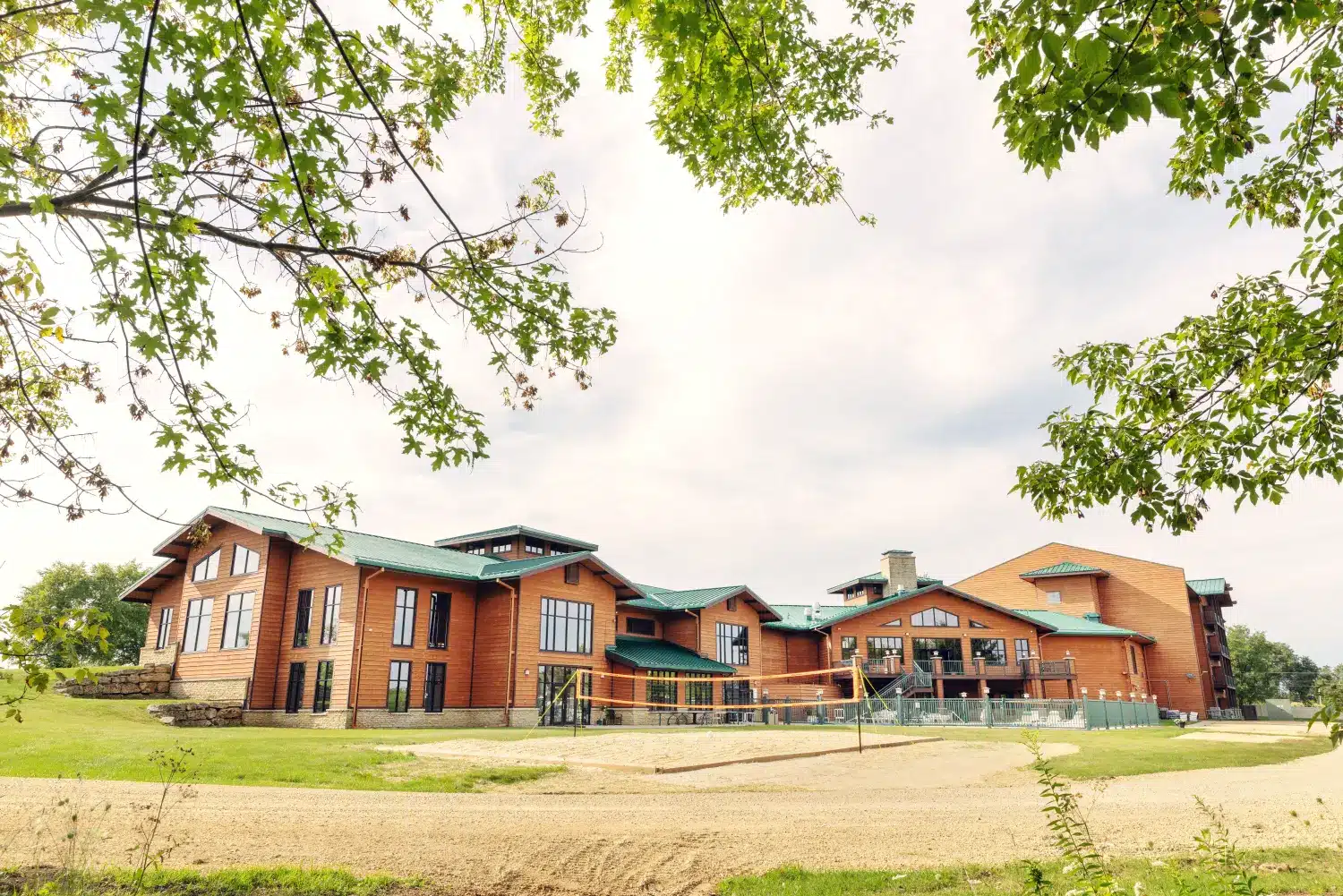
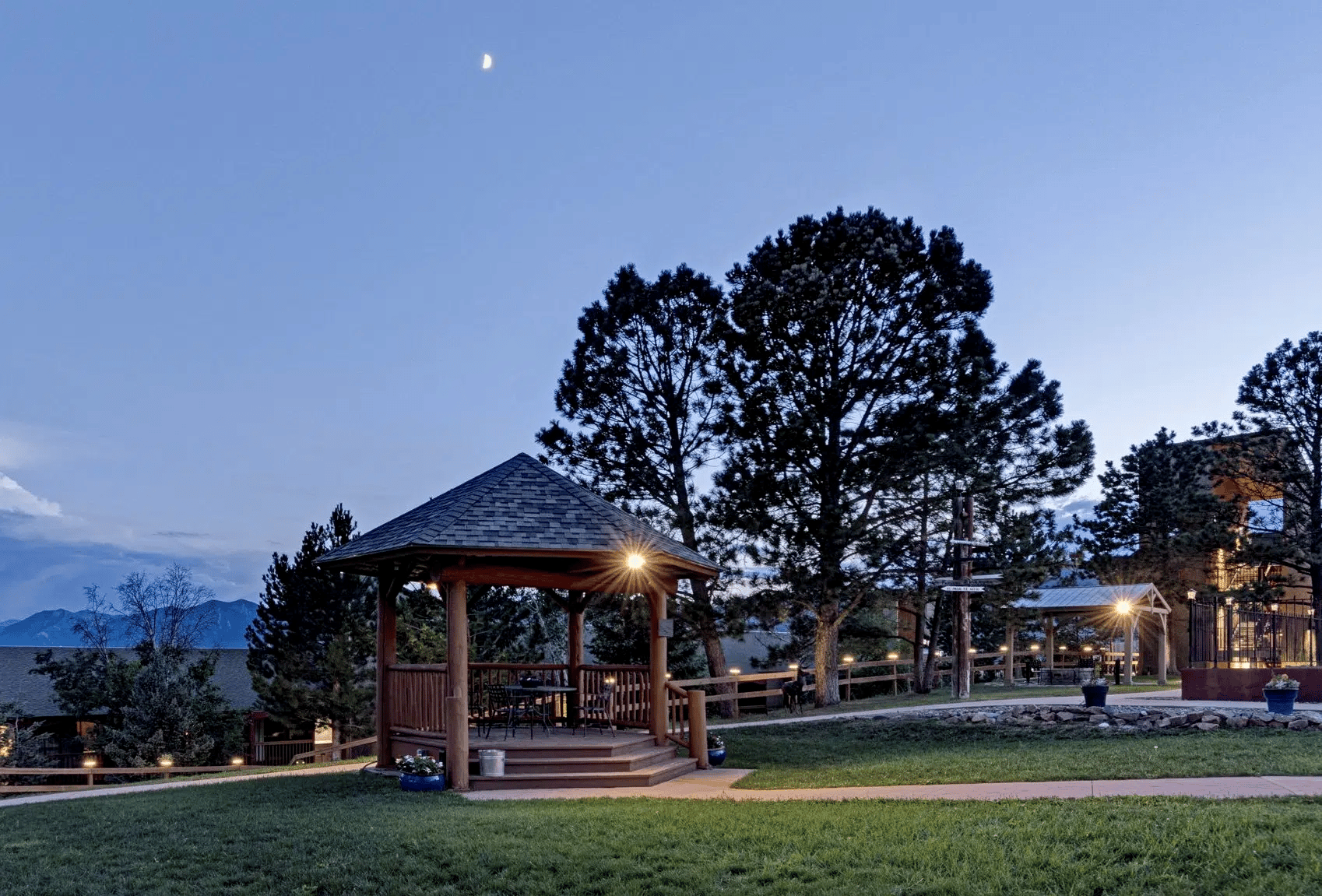
Clients may have access to nutritious meals, fitness and recreation opportunities, appropriate outdoor activities, spaces for individual and group work, areas for reflection, and a supportive peer community. Available rooms, recreation options, and specific amenities can change, so ask admissions what is currently offered before arrival.
Can Clients Keep Their Phones or Laptops?
Mountain Springs Recovery is a phone- and laptop-friendly facility. Device access may help clients stay connected with supportive family members or handle limited essential responsibilities.
Technology use remains subject to clinical schedules, privacy requirements, and facility policies. Calls, work tasks, or screen time cannot interfere with treatment participation or the confidentiality of other clients. Ask admissions about current device rules and any work-related needs before arrival.
Why Leave Avondale for Residential Treatment?
Traveling for care is a personal decision, and not everyone needs to leave home. For someone who does need residential support, temporary distance may provide several benefits:
- Separation from people, places, and routines associated with substance use
- Greater privacy than seeking intensive care in a small community
- Reduced access to alcohol or drugs
- Fewer work, household, and social distractions
- Around-the-clock structure and support
- Dedicated time for physical and emotional recovery
- An opportunity to practice new habits before returning home
- The ability to remain in Colorado and within reach of family support
Distance does not make triggers disappear permanently. Effective treatment also prepares the client to return to real life. Discharge planning should address relationships, transportation, housing, work, treatment appointments, local support, and access to substances in the home community.
Traveling From Avondale to Mountain Springs Recovery
Mountain Springs Recovery is located at 1865 Woodmoor Drive, Monument, CO 80132. From Avondale, the general route travels west toward Pueblo and then north on I-25 through Colorado Springs to Monument. The drive is roughly 75 miles and approximately one hour and 15 minutes in ordinary conditions. Check a current map and road conditions on the day of travel, especially during winter weather or construction.
A family member or trusted support person may be able to drive the client. If transportation is a barrier, ask admissions whether arrival coordination or other assistance is currently available.
Before leaving, confirm what to bring. Clients commonly need identification, insurance information, approved clothing, and medications in their original labeled containers. The admissions team can explain rules for toiletries, electronics, valuables, tobacco products, and prohibited items. Do not assume that an item is permitted because another treatment center allowed it.
Paying for Addiction Treatment
Cost should be discussed openly before admission. Sunshine Behavioral Health can help prospective clients understand insurance benefits and possible payment responsibilities.
Many insurance plans provide some coverage for medically necessary substance use treatment, but benefits vary widely. Coverage may depend on whether the provider is in network, the remaining deductible, copays or coinsurance, prior authorization, medical-necessity criteria, covered levels of care, and the number of days authorized.
Insurance coverage is not the same as treatment being free. A plan may cover part of care while leaving the member responsible for deductibles, coinsurance, noncovered services, or costs after an authorization ends. If insurance will not cover the full cost, ask about private payment.
How Insurance Verification Works
- Call the admissions team or submit Sunshine Behavioral Health’s secure insurance-verification form.
- Provide basic policy and contact information.
- Allow the team to check behavioral health and substance use benefits.
- Review available coverage and potential out-of-pocket costs.
- Discuss appropriate admission options without an obligation to enroll.
Planning for Recovery After Returning to Avondale
Discharge planning should begin before residential treatment ends. Returning home without appointments, support, or a plan for predictable triggers can create an avoidable gap in care.
A continuing-care plan may include:
- Outpatient therapy in Avondale, Pueblo, or through telehealth
- Psychiatric and medication-management appointments
- Primary care follow-up
- Alcoholics Anonymous, Narcotics Anonymous, SMART Recovery, or another peer group
- Recovery coaching
- Family counseling
- Sober or recovery-supportive housing
- A gradual return to work or school
- Reliable transportation to appointments
- Boundaries involving high-risk people and places
- A written relapse-response plan
- Naloxone access when opioid exposure is possible
A return to use should be treated as a serious signal to seek help, not proof that recovery is impossible. The response plan should identify whom to call, where to go, and how to reduce overdose risk while reconnecting with care.
How To Help a Loved One With Addiction in Avondale
Choose a calm time to talk, when the person is not intoxicated, and immediate safety is not at risk. Describe specific changes you have noticed rather than assigning labels or attacking the person’s character. For example, focus on missed work, a recent overdose, unsafe driving, or changes in health.
Express concern without shaming or threatening. Listen to fears about withdrawal, cost, leaving home, work, children, or previous treatment experiences. You do not need to have every answer before starting the conversation, but researching realistic options can make the next step feel manageable.
You can offer to call Sunshine Behavioral Health admissions together or remain present while your loved one completes an insurance-verification form. At the same time, avoid providing money, excuses, or protection that allows dangerous substance use to continue. Set boundaries that protect children, finances, housing, and the well-being of other family members.
In serious or complicated situations, a qualified intervention professional may help the family plan a safer conversation. If opioid exposure is possible, keep naloxone accessible and ensure household members know how to use it. Call 911 during a suspected overdose even if naloxone has been administered.
Why Choose Mountain Springs Recovery?
Sunshine Behavioral Health’s Mountain Springs Recovery offers Avondale residents an opportunity to receive structured care without leaving Colorado. Features relevant to people considering treatment include:
- A Monument, Colorado, treatment setting
- 24/7 monitored medical detoxification
- Residential addiction treatment
- Dual-diagnosis programming
- Medication-assisted treatment options
- Traditional 12-Step and Non-12-Step pathways
- SMART Recovery options
- Phone- and laptop-friendly policies
- Longer-term treatment arrangements
- Individualized aftercare planning
- Help understanding insurance benefits
The right program depends on your medical needs, recovery goals, and personal circumstances. A confidential conversation with admissions can help you determine whether Mountain Springs Recovery is an appropriate next step.
Begin Addiction Treatment Near Avondale Today
You do not have to wait for substance use to cause another crisis before asking for help. Sunshine Behavioral Health can listen to what is happening, help you understand appropriate levels of care, verify your insurance benefits, and determine whether Mountain Springs Recovery may be a fit.
Whether you are calling for yourself or someone you love, the first conversation is confidential and does not obligate you to enter treatment. Reach out today to take the next step toward safety, stability, and a life no longer organized around alcohol or drugs.
Frequently Asked Questions
Is there an inpatient addiction rehab in Avondale, Colorado?
Avondale is a small community, and local inpatient options are limited. Residents can consider residential programs elsewhere in Colorado. Mountain Springs Recovery in Monument provides medical detox and residential addiction treatment for people who meet its admission criteria.
How far is Mountain Springs Recovery from Avondale?
Mountain Springs Recovery is approximately 75 miles from Avondale, with a typical drive of about one hour and 15 minutes. The precise trip depends on where you start, traffic, road construction, and weather. Check a current mapping service before departure.
Is it better to attend rehab away from home?
Some people benefit from distance because it limits access to substances and creates separation from familiar triggers. Others need close family involvement or can recover safely through local outpatient care. The best choice depends on clinical risk, home stability, available support, and the level of structure required. Even when treatment occurs away from home, continuing care should be designed for the person’s return.
Does Mountain Springs Recovery offer medical detox?
Yes. Mountain Springs Recovery advertises safe, 24/7 monitored detoxification. A clinical screening is still necessary to determine whether the facility can safely manage a specific person’s withdrawal risks and medical needs.
Can I go directly from detox into residential treatment?
When clinically appropriate and space is available, continuing from detox into residential treatment can prevent an interruption in care. Placement depends on the person’s assessment, progress during detox, recommendations, and current availability.
Can addiction and mental health conditions be treated together?
Yes. Mountain Springs Recovery offers dual-diagnosis care for clients with substance use and co-occurring mental health concerns. Integrated treatment can address symptoms such as anxiety, depression, trauma, and mood instability that might otherwise contribute to continued use or relapse.
Does Mountain Springs Recovery use the 12 Steps?
Mountain Springs Recovery offers multiple recovery pathways. These include traditional 12-Step participation as well as SMART Recovery and Non-12-Step options. The team can help clients explore an approach that aligns with their needs and beliefs.
Can I bring my phone or laptop to rehab?
Mountain Springs Recovery is phone- and laptop-friendly. Device use is subject to treatment schedules, privacy rules, and current facility policies. Confirm the details with admissions before packing.
Can I continue working while I am in residential treatment?
Limited essential work responsibilities may sometimes be possible because the facility permits phones and laptops. Residential treatment must remain the priority, however, and work cannot interfere with therapy, groups, medical appointments, or rest. Discuss your responsibilities with admissions before arrival rather than assuming you can maintain a normal work schedule.
How long will I need to stay in rehab?
Length of treatment is individualized. Substance use history, withdrawal risk, physical and mental health, prior relapses, progress, insurance authorization, and home stability can all affect recommendations. Admissions may discuss an initial expectation, but the care team should refine the plan based on clinical need.
Does insurance cover rehab for Avondale residents?
Many health plans cover at least part of medically necessary addiction treatment, but benefits differ. Coverage may depend on network status, deductible, coinsurance, prior authorization, and medical-necessity requirements. Sunshine Behavioral Health can complete a confidential benefits verification and explain the information received from your insurer.
Medical disclaimer:
Sunshine Behavioral Health strives to help people who are facing substance abuse, addiction, mental health disorders, or a combination of these conditions. It does this by providing compassionate care and evidence-based content that addresses health, treatment, and recovery.
Licensed medical professionals review material we publish on our site. The material is not a substitute for qualified medical diagnoses, treatment, or advice. It should not be used to replace the suggestions of your personal physician or other health care professionals.