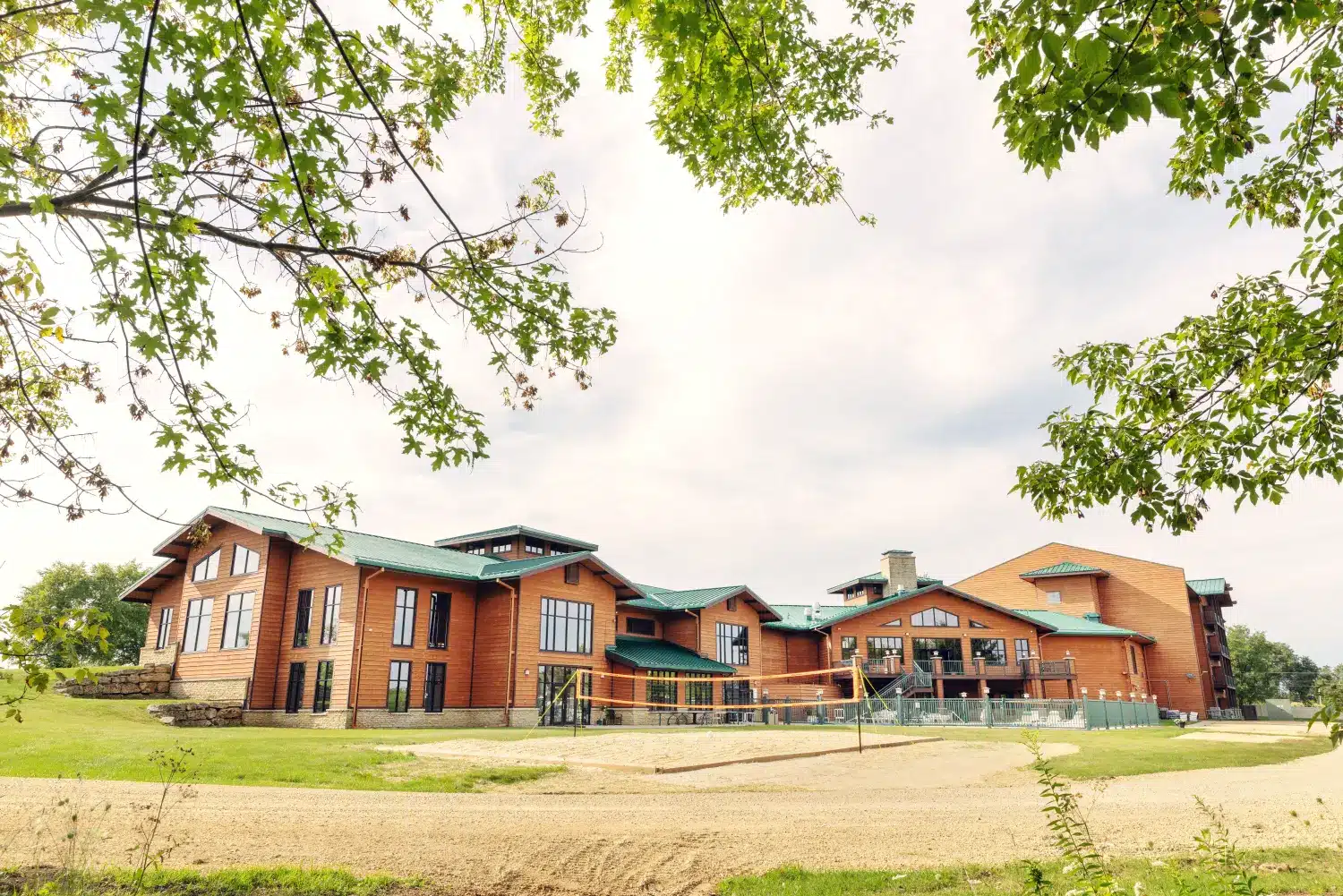
Mountain Springs Recovery - Monument, Colorado
GET HONEST & ACCURATE QUOTE
Berthoud Drug & Addiction Rehab: Addiction Treatment Near Berthoud
Upscale Colorado facility with medication assisted treatment and Non-12-Step program options
- Keep your phone and laptop
- Safe 24/7 monitored detox
- SMART options
- Dual diagnosis programs
- Long-term arrangements
- Thorough aftercare planning
- Located in Monument, CO
- Out of state options in CA, TX and IL
Check your coverage and get informed on admission process! Call us at:
 555-555-5555*
*HIPPA Compliant and 100% confidential
MAXIMIZE YOUR PPO COVERAGE WITH OUR HELP
We will work with insurance to get you the best possible coverage and minimize expenses.
When alcohol or drug use begins affecting your health, relationships, work, or sense of control, you do not have to wait for the situation to become a crisis before asking for help. Sunshine Behavioral Health helps individuals and families explore treatment options in a private, respectful setting. For some Berthoud residents, leaving familiar routines for a period of structured care can create the space needed to stabilize, understand destructive patterns, and begin building a healthier life.
Mountain Springs Recovery is Sunshine Behavioral Health’s addiction treatment center in Monument, Colorado. Although the facility is not located in Berthoud, it serves adults from Berthoud, Larimer County, Weld County, and communities throughout Colorado. Our team provides confidential admissions support and develops treatment plans around each patient’s substance use, health, experiences, and recovery goals.
Speaking with us does not obligate you to enter treatment. An admissions coordinator can listen to what is happening, explain possible next steps, and help you determine whether Mountain Springs Recovery may be an appropriate fit.
Addiction Treatment for Berthoud Residents
Substance use disorders affect people in communities of every size. Living in a quieter Front Range town does not protect someone from addiction, and a person does not need to fit a stereotype to benefit from professional care. Problems can develop gradually as drinking or drug use becomes more frequent, increasingly difficult to control, or central to coping with daily life.
People often postpone treatment because they are unsure whether their situation is “bad enough.” Others fear being judged in a close-knit community, worry about leaving work or family responsibilities, or feel anxious about withdrawal. Concerns about privacy, insurance, cost, and a previous return to substance use can make it even harder to call.
Treatment is not reserved for people who have lost everything. Early support may help prevent medical emergencies, legal problems, financial instability, damaged relationships, and other serious consequences. A confidential assessment can help identify what is happening and which level of care offers the right balance of safety, structure, and support.
Signs It May Be Time to Consider Rehab
Everyone’s experience is different, but warning signs that professional addiction treatment may be appropriate include:
- Trying unsuccessfully to reduce or stop alcohol or drug use
- Experiencing withdrawal symptoms when use decreases
- Needing larger amounts to achieve the same effects
- Using substances to cope with stress, trauma, anxiety, depression, or grief
- Missing work, school, appointments, or family responsibilities
- Continuing to use despite health, relationship, financial, or legal consequences
- Driving, mixing substances, or engaging in other risky behavior while intoxicated
- Experiencing an overdose, blackout, injury, or other substance-related emergency
- Returning to use after previous treatment or a period of sobriety
- Spending significant time obtaining, using, or recovering from substances
- Losing interest in people and activities that were once important
- Feeling unable to function normally without alcohol or drugs
No single sign determines whether someone has a substance use disorder. A clinical assessment considers the complete picture rather than judging a person by one event or behavior.
Addictions We Treat
Substance use disorders can involve legal substances, illicit drugs, or medications originally obtained through a valid prescription. What matters is not only the substance but also the pattern of use, loss of control, risks, and impact on daily life.
Alcohol Addiction
Warning signs of alcohol use disorder can include drinking more or longer than intended, unsuccessful attempts to cut back, strong cravings, hiding consumption, increasing tolerance, and continued drinking despite consequences. Heavy or prolonged alcohol use can produce physical dependence, and suddenly stopping may lead to dangerous withdrawal symptoms.
Treatment may begin with monitored detox, followed by therapy, education, relapse-prevention work, and continuing support. Patients can explore triggers, build coping skills, repair routines, and plan for situations in which alcohol will be present after treatment.
Opioid Addiction
Opioid use disorders may involve heroin, illicit fentanyl, or prescription pain medications. Illicit fentanyl has made the unregulated drug supply especially unpredictable, and even a brief return to opioid use can be fatal.
Care may include withdrawal management, medication-assisted treatment when appropriate, behavioral therapy, overdose education, and relapse-prevention planning. Because tolerance can decrease during abstinence, discharge planning should include a realistic overdose-prevention strategy and access to naloxone when opioid exposure is possible.
Benzodiazepine Addiction
Benzodiazepines such as Xanax, Ativan, Valium, and Klonopin may be prescribed for anxiety, insomnia, or other conditions. Physical dependence can develop with ongoing use, even when a medication was initially taken as directed. Misuse may involve taking more than prescribed, using someone else’s medication, or combining it with alcohol or opioids.
Abruptly discontinuing benzodiazepines can cause severe withdrawal, including seizures in some cases. Medical guidance is important so that the person can be evaluated and supported with an appropriate plan.
Cocaine Addiction
Cocaine can produce intense reinforcement, cravings, and cycles of bingeing followed by exhaustion or low mood. Use can affect the heart and cardiovascular system and may contribute to anxiety, agitation, paranoia, sleep disruption, and impulsive decisions.
Treatment often emphasizes behavioral therapy, identification of high-risk situations, management of cravings, restoration of sleep and daily routines, and development of a relapse-response plan.
Methamphetamine Addiction
Methamphetamine can affect sleep, appetite, mood, cognition, and physical health. Some people experience agitation, paranoia, hallucinations, or a significant period of depression as use stops. Recovery may require time, structure, medical observation when indicated, and sustained behavioral and psychological support.
Treatment helps patients understand patterns surrounding methamphetamine use, manage urges, rebuild daily functioning, and address co-occurring symptoms that could increase the likelihood of returning to use.
Prescription Drug Addiction
Prescription drug misuse can involve pain medications, stimulants, sedatives, sleep medications, or other controlled substances. Physical dependence and a substance use disorder are related but not identical. A person can become physically dependent while following a prescription, whereas a substance use disorder involves a broader pattern of impaired control and continued use despite harm.
An individualized medical evaluation can clarify risks, current symptoms, other medications, and the safest treatment approach.
Marijuana Use Disorder
Many people use marijuana without developing a substance use disorder. For others, use becomes difficult to control and begins interfering with motivation, relationships, work, school, memory, or mental health. Some experience irritability, sleep problems, appetite changes, restlessness, or cravings when they stop.
Treatment focuses on whether marijuana use is causing clinically significant problems—not on moral judgments about legal or occasional use.
Polysubstance Use
Polysubstance use means using more than one drug, either together or over the same general period. Combining substances can create risks that are greater than those posed by either substance alone. Alcohol, opioids, and benzodiazepines can compound sedation and breathing problems, while stimulants may mask how intoxicated a person feels without eliminating the danger.
Patients should disclose every substance, medication, and supplement used during assessment. Accurate information helps the medical team anticipate interactions and withdrawal risks and create a safer plan.
Therapeutic Approaches Used in Addiction Treatment
Effective treatment is not a fixed curriculum applied identically to everyone. A plan should reflect the patient’s clinical needs, goals, learning style, history, and progress.
Individual Therapy
Individual sessions provide private time to examine the factors connected to substance use. Work may include identifying triggers, recognizing thought and behavior patterns, processing trauma or emotional distress when clinically appropriate, practicing coping skills, and setting short- and long-term goals.
Group Therapy
Group therapy can reduce isolation and show patients that others understand many of the same fears and setbacks. In a facilitated setting, participants can practice communication, accountability, and healthy feedback while learning from different experiences. Groups also offer an opportunity to begin building a recovery-oriented community.
Cognitive Behavioral Therapy
Cognitive behavioral therapy explores the relationship among thoughts, emotions, and actions. Patients may learn to recognize distorted or self-defeating thinking, evaluate it more accurately, and choose healthier responses. These skills can be especially useful when cravings, conflict, or stressful situations activate old patterns.
Dialectical Behavior Therapy
Dialectical behavior therapy skills can help with emotional regulation, distress tolerance, mindfulness, and interpersonal effectiveness. Rather than immediately acting on an urge, patients practice observing the experience, tolerating discomfort, and choosing a response aligned with their goals.
Trauma-Informed Care
Trauma-informed care recognizes that past experiences may influence substance use, relationships, trust, and reactions to treatment. It emphasizes physical and emotional safety, collaboration, choice, and respect. It does not assume that everyone has the same trauma history or require a patient to process difficult experiences before they are ready. Trauma-related work should proceed at a clinically appropriate pace.
Family Support and Education
Addiction affects partners, parents, children, and other loved ones. Family support can help participants understand substance use disorders, establish healthier boundaries, improve communication, reduce enabling behavior, and prepare for the transition home.
Involvement depends on clinical appropriateness and patient consent. Family education does not place blame; it helps everyone recognize what they can and cannot control and how to support recovery without neglecting their own well-being.
Holistic and Wellness Services
Wellness-focused activities can complement clinical addiction treatment by helping patients reconnect with their bodies, manage stress, and establish healthier routines. Depending on the current program and individual needs, activities may involve movement, mindfulness, recreation, nutrition, outdoor time, or experiential work. These services support therapy rather than replace it.
A Personalized Approach to Recovery
Two people who use the same substance may need very different care. Individualized planning at Mountain Springs Recovery may consider substance-use and withdrawal history, medical needs, mental health symptoms, trauma, family relationships, living environment, work responsibilities, personal values, spiritual preferences, prior recovery experiences, strengths, interests, and long-term goals.
Plans can change as the clinical team learns more about the patient and observes progress. Personalization does not mean treatment lacks structure. It means the structure is used to address the needs most relevant to the individual.
12-Step and Non-12-Step Options
No single recovery philosophy connects with everyone. Some patients value the fellowship, accountability, and spiritual principles found in 12-Step programs. Others prefer SMART Recovery, secular peer support, clinically oriented strategies, or another framework.
Mountain Springs Recovery offers multiple pathways so patients can explore approaches they are willing and able to continue after treatment. The long-term value of a recovery plan depends partly on whether it fits the person’s beliefs, needs, and community.
Why Travel From Berthoud to Mountain Springs Recovery?
Convenient local services can be valuable, particularly for people who are stable enough to continue living at home while attending outpatient care. For others, an immersive residential environment offers necessary separation from alcohol, drugs, conflict, or routines connected to use.
Potential benefits of receiving care away from one’s immediate community include greater privacy, fewer everyday distractions, reduced access to familiar substances, time away from unhealthy relationships, and an opportunity to establish new routines. Distance can also make it easier to focus on physical and emotional recovery without repeatedly shifting attention back to work and household demands.
Travel is not necessary for everyone. The most appropriate setting depends on safety, severity, support at home, transportation, clinical needs, and personal circumstances.
A Colorado Treatment Setting Away From Everyday Triggers
Mountain Springs Recovery is located in Monument, along Colorado’s Front Range. It gives Berthoud residents the option to receive treatment within their home state while gaining meaningful distance from their day-to-day environment. The admissions team can discuss transportation, arrival timing, and other practical considerations. Because traffic, construction, and weather can substantially affect Front Range travel, patients should confirm their route and arrival plan before leaving home.
Staying Connected During Treatment
Appropriate contact with loved ones can provide reassurance and help families prepare for recovery together. Mountain Springs Recovery is cellphone- and laptop-friendly, subject to current program rules and clinical considerations. Device access may help some patients maintain family contact or manage essential responsibilities.
Treatment participation, privacy, and a safe therapeutic environment remain the priority. Admissions can explain current technology and communication policies before arrival.
Preparing to Leave Berthoud for Treatment
Practical preparation can make admission less stressful. Before leaving, consider the following:
- Arrange approved time away from work or school.
- Identify who will manage childcare, pets, bills, mail, and household needs.
- Follow admissions instructions regarding prescription medications.
- Do not attempt an unsupervised detox before departure.
- Arrange transportation and confirm the expected arrival time.
- Gather identification and insurance documents.
- Discuss realistic communication expectations with loved ones.
- Expect that the first few days may involve emotional and physical adjustment.
You do not need to resolve every life problem before entering treatment. Focus first on the arrangements necessary to arrive safely.
Can Family Members Help With Admission?
Family members often recognize changes before their loved one is ready to seek help. They can express concern calmly, describe specific observations, and avoid labels or arguments about character. Statements such as “I noticed you missed work twice after drinking, and I am worried about your safety” are usually more constructive than accusations.
Loved ones can call admissions to learn about options and prepare for a future conversation. Healthy boundaries are important, as is avoiding threats that cannot or will not be enforced. Some families benefit from professional intervention guidance. If the person is unconscious, having trouble breathing, experiencing seizures, threatening suicide, or facing another emergency, call 911 or the appropriate crisis service immediately.
Paying for Drug and Alcohol Rehab
Many health plans include benefits for medically necessary substance-use treatment, but coverage is not identical across policies. The amount a plan pays can depend on the insurance carrier, specific policy, network participation, remaining deductible, copay or coinsurance, clinical eligibility, prior authorization, and approved level and duration of care.
Do not assume that treatment is either fully covered or unaffordable. Benefits verification can provide a clearer picture of what the plan may cover and which costs may remain the patient’s responsibility.
People without insurance can speak confidentially with admissions about available payment arrangements.
Continuing Recovery After Residential Treatment
Completing residential treatment is a major milestone, but it is not the end of recovery. Returning home reintroduces everyday stress, relationships, and access to substances. Discharge planning should begin before the final day so that the next phase is arranged rather than improvised.
Continuing care may include outpatient therapy, an intensive outpatient program, medication management, mental health treatment, primary care follow-up, peer-recovery groups, 12-Step or alternative meetings, sober living, alumni support, and a written relapse-response plan. Recommendations depend on the patient’s needs and available services.
Returning Home to Berthoud
Before returning to Berthoud, patients can identify people, places, and routines associated with substance use and decide where new boundaries are necessary. A practical plan may include:
- Building therapy, meetings, exercise, and rest into a weekly schedule
- Locating nearby therapists, prescribers, and peer-support meetings
- Planning responses to social events involving alcohol or drugs
- Recognizing early warning signs such as isolation, disrupted sleep, or romanticizing past use
- Choosing specific people to contact when cravings increase
- Removing substances and paraphernalia from the home
- Maintaining routines involving sleep, nutrition, activity, recreation, and healthy connection
A return to use is not something to hide until it becomes severe. Rapidly contacting a treatment provider, therapist, sponsor, or trusted support person can help interrupt the pattern and reduce harm.
Why Choose Mountain Springs Recovery?
Mountain Springs Recovery provides Colorado-based care for adults who need support beyond what their everyday environment can offer. Depending on clinical needs and program availability, patients may benefit from:
- Medical detoxification and residential addiction treatment
- Care for substance use and co-occurring mental health concerns
- Individualized treatment planning
- Evidence-informed therapeutic approaches
- 12-Step and non-12-Step recovery options
- Structured daily programming
- Medication-assisted treatment when clinically appropriate
- Continuing-care and relapse-prevention planning
- Cellphone- and laptop-friendly policies
- Family education and support when appropriate
- A comfortable Front Range treatment setting
Choosing a treatment center is personal. Our admissions team can explain the current program, answer questions, and help determine whether the services at Mountain Springs Recovery align with your needs.
Begin Your Recovery Journey Today
Asking about treatment does not commit you to admission. It gives you an opportunity to understand your options before addiction creates another loss or emergency.
If you live in Berthoud or are concerned about someone who does, contact Sunshine Behavioral Health for a confidential conversation. An admissions coordinator can discuss current needs, review insurance benefits, and help determine whether Mountain Springs Recovery is an appropriate option. Recovery can begin before everything falls apart, and the first step may be a simple phone call.
Frequently Asked Questions About Rehab Near Berthoud
Is Mountain Springs Recovery Located in Berthoud?
No. Mountain Springs Recovery is located in Monument, Colorado. It serves adults from Berthoud, Larimer County, Weld County, and other communities throughout the state.
How Far Is Mountain Springs Recovery From Berthoud?
The route from Berthoud to Monument is roughly 100 miles and commonly takes around an hour and a half to two hours by car. Actual mileage and travel time vary by starting point, route, traffic, construction, and Colorado weather. Ask admissions about arrival planning and confirm current road conditions before traveling.
Do I Need to Leave Berthoud to Attend Rehab?
Not necessarily. Local outpatient treatment may be suitable for someone who is medically stable, has reliable support, and can safely recover while living at home. Residential treatment outside Berthoud may be more appropriate when a person needs continuous structure, withdrawal support, or separation from familiar triggers. An assessment can help clarify the appropriate level of care.
How Do I Know Whether I Need Detox Before Rehab?
The answer depends on the substances used, amount and frequency, duration of use, health conditions, medications, and previous withdrawal experiences. Do not rely on self-diagnosis. A medical or clinical assessment can identify risks and determine whether monitored detox is recommended.
Is It Safe to Detox From Alcohol or Benzodiazepines at Home?
It may not be. Withdrawal from alcohol and benzodiazepines can become medically dangerous and may include seizures or other serious complications. Seek professional medical guidance rather than abruptly stopping heavy, prolonged, or dependent use at home. Call 911 if severe symptoms occur.
How Long Does Addiction Treatment Last?
There is no single duration that is right for everyone. Length of care can depend on clinical needs, progress, withdrawal risk, mental and physical health, the level of care, discharge environment, and insurance authorization. The team can provide a more individualized recommendation after assessment.
Can I Keep My Phone or Laptop During Treatment?
Mountain Springs Recovery is cellphone- and laptop-friendly. Access remains subject to current facility policies, privacy requirements, program schedules, and clinical considerations. Admissions can explain the latest guidelines before you arrive.
Can My Family Visit Me During Rehab?
Communication and visitation may be available when consistent with program rules and the patient’s treatment needs. Policies can change, and family participation generally depends on patient consent and clinical appropriateness. Contact admissions for current visitation information.
Does Mountain Springs Recovery Treat Mental Health Conditions Alongside Addiction?
Mountain Springs Recovery provides dual diagnosis care for patients with substance use and co-occurring mental health concerns. Assessment helps determine which symptoms and conditions need attention and how they should be incorporated into an individualized plan.
What Happens If I Have Returned to Substance Use After Previous Treatment?
A return to use does not mean recovery is impossible or that all previous progress was lost. It indicates that the plan needs attention. A new assessment can examine what changed, where support was insufficient, and whether a different level of care, therapeutic approach, medication, environment, or continuing-care plan may help.
Does Insurance Cover Rehab for Berthoud Residents?
Many plans cover some medically necessary addiction treatment, but benefits depend on the individual policy, network, authorization, and clinical eligibility. Sunshine Behavioral Health can verify benefits confidentially and explain available information about potential patient responsibility.
Can Someone Else Call About Treatment for Me?
Yes. A family member or other concerned person can call to learn about available options and the admissions process. The prospective patient will generally need to participate in the clinical screening and consent to treatment before admission.
What Should I Do If My Loved One Refuses Rehab?
Speak calmly, focus on specific behaviors and safety concerns, and set boundaries you are prepared to maintain. Avoid arguing while the person is intoxicated. Consider guidance from an addiction professional or intervention specialist, learn how to respond to an overdose, and keep naloxone available if opioids may be involved. Call 911 for an overdose or medical emergency, and call or text 988 for an immediate mental health or suicide-related crisis.
Medical disclaimer:
Sunshine Behavioral Health strives to help people who are facing substance abuse, addiction, mental health disorders, or a combination of these conditions. It does this by providing compassionate care and evidence-based content that addresses health, treatment, and recovery.
Licensed medical professionals review material we publish on our site. The material is not a substitute for qualified medical diagnoses, treatment, or advice. It should not be used to replace the suggestions of your personal physician or other health care professionals.