Inpatient Drug Rehab in a Tranquil Setting
Are you looking for inpatient rehab?
Inpatient Drug Rehab
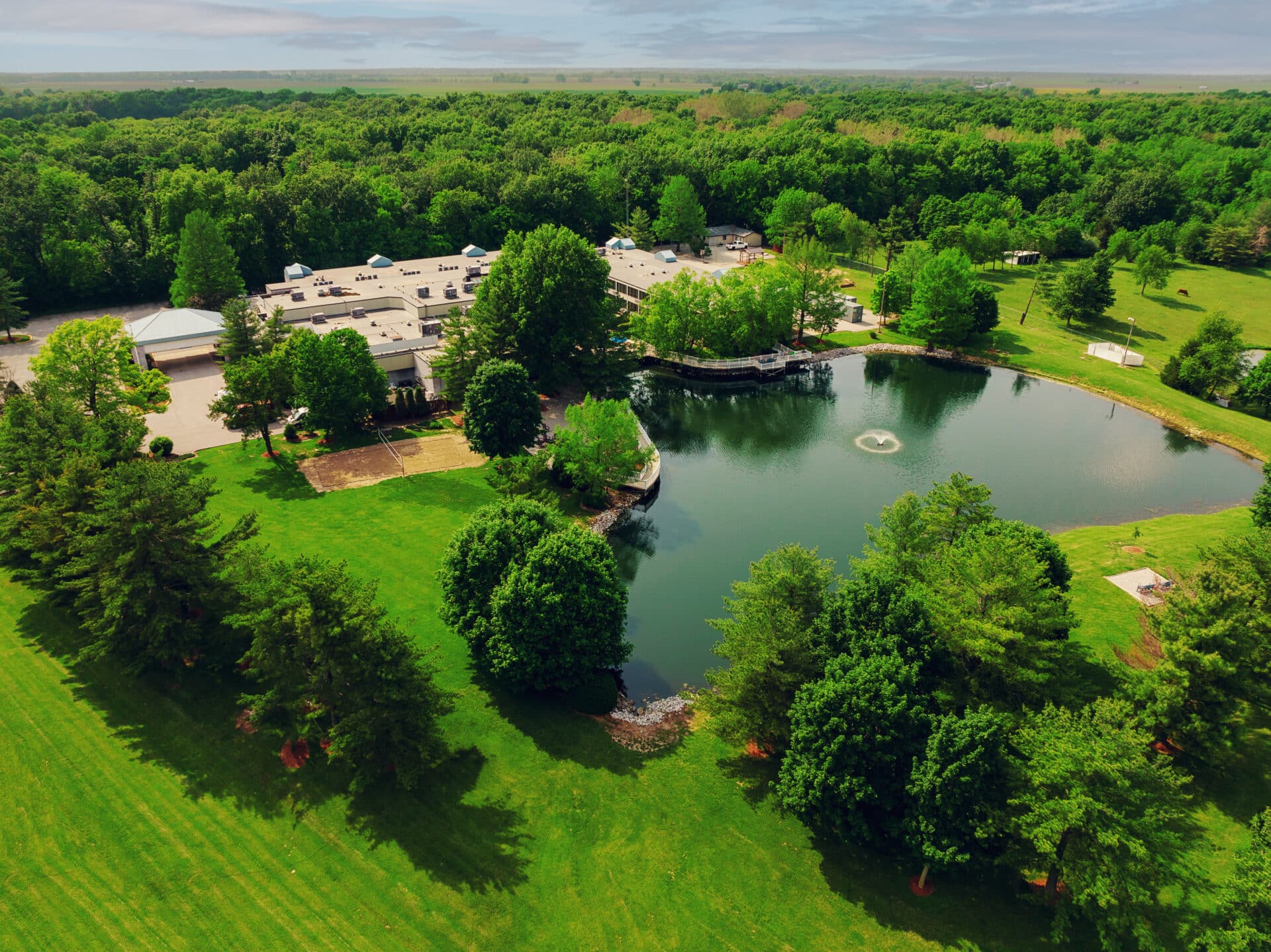
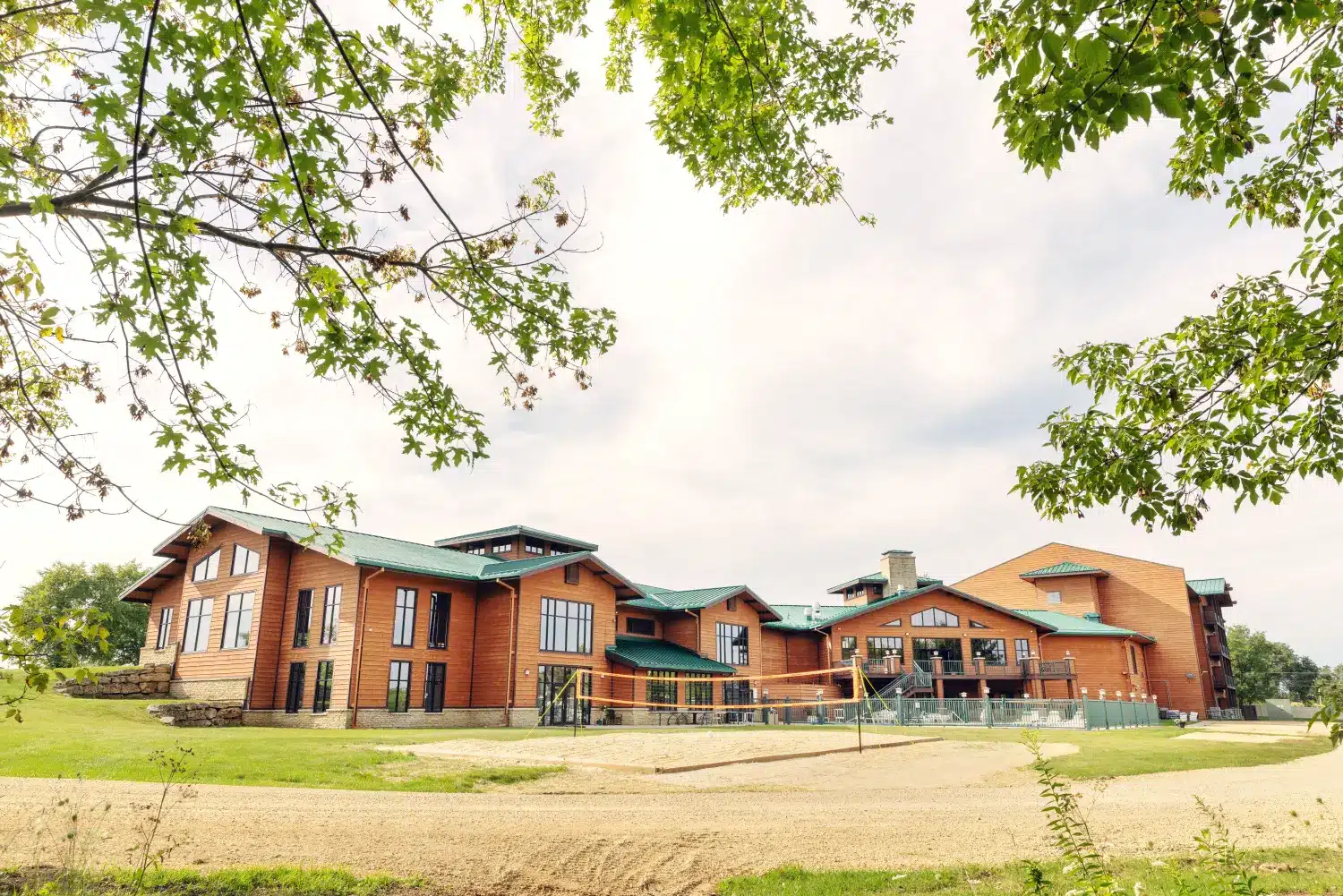
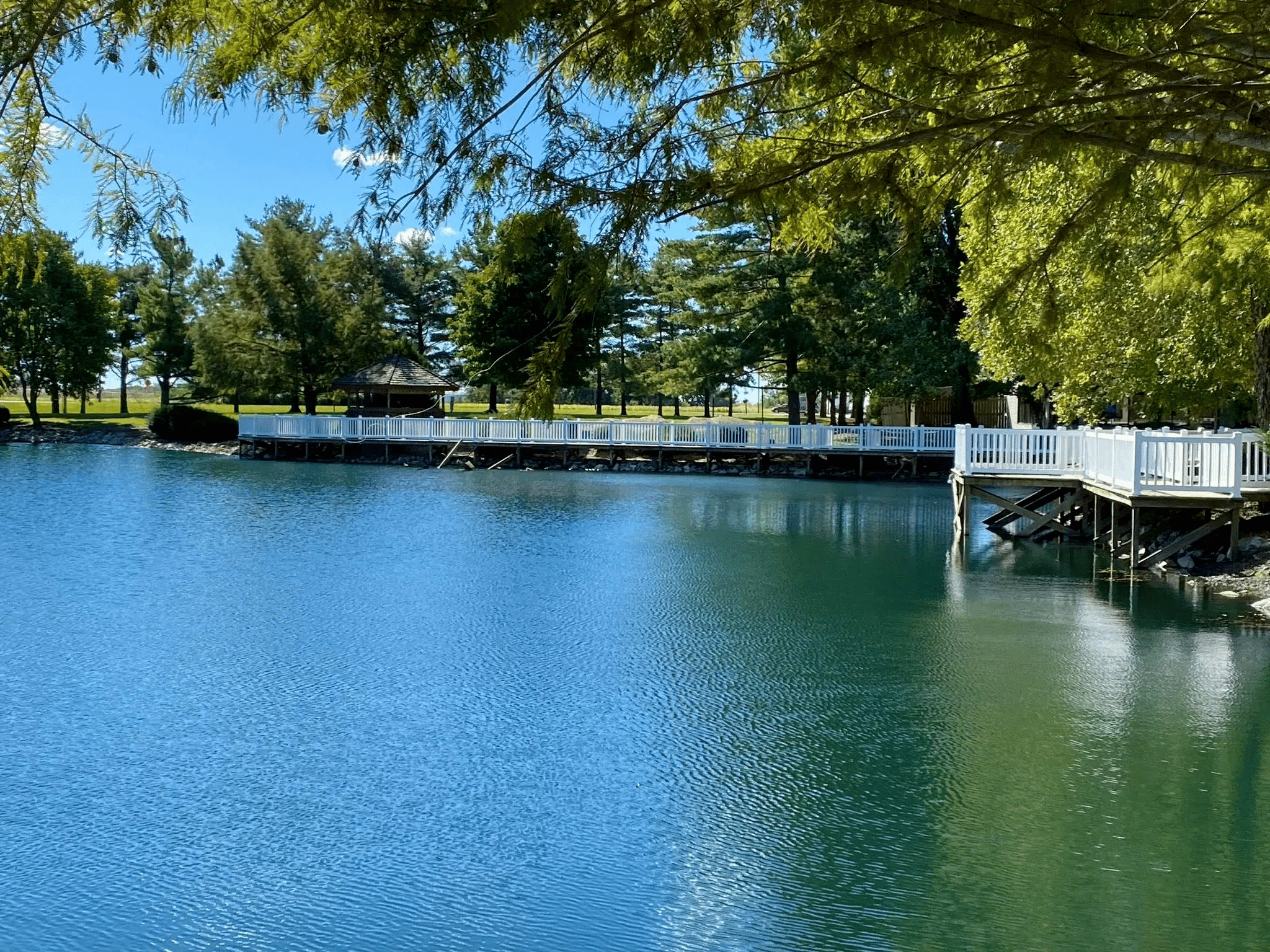
Top rated treatment located within quiet and calming environment.
- Bring Your Phone and Laptop
- Safe 24/7 Monitored Detox
- Dual Diagnosis Programs
- Attentive and Caring Staff
- Thorough Aftercare Planning
Generic Phone Content
 555-555-5555*
*HIPPA Compliant and 100% confidential
WE'LL HELP MAXIMIZE YOUR PPO COVERAGE
We will work with your insurance company to get you the best possible coverage and minimize expenses.

If you’re reading this at 2 a.m., scared for yourself or someone you love, take a breath. You’re not behind, and you’re not alone.
Inpatient drug rehab is a live-in treatment program where you stay at a facility and receive round-the-clock medical and therapeutic care, usually for 30 to 90 days. It’s built for people whose substance use is serious enough that getting better needs full-time support, not a weekly appointment. The scale of the need is enormous: an estimated 48.4 million people aged 12 and older had a substance use disorder in the past year, according to SAMHSA’s 2024 National Survey on Drug Use and Health. Roughly 80% of people who needed treatment for a substance use disorder didn’t receive it.
This page walks you through what inpatient rehab actually involves, what it costs, and how to choose a program you can trust. We’re Sunshine Behavioral Health, and we do this work every day.
Key Takeaways
- Inpatient drug rehab is 24/7 care in a residential setting, typically lasting 30 to 90 days.
- It’s best for severe or long-standing substance use, a previous return to use, an unsafe home environment, or a mental health condition alongside the substance use.
- A stay usually includes medical detox, individual and group therapy, medication when appropriate, and a plan for life after discharge.
- Most insurance covers some or all of it. Substance use treatment is a protected benefit under federal law.
- Help is available right now, free and confidential, 24/7.
What Is Inpatient Drug Rehab?
Inpatient drug rehab is a program where you live at a treatment facility and get continuous, professionally supervised care for substance use. You stay on-site, day and night, for a set period while a team helps you stabilize, understand your substance use, and build the tools to stay in recovery.
People often use “inpatient” and “residential” as if they mean the same thing. They’re close, but there’s a real distinction. The American Society of Addiction Medicine places treatment along a continuum of care. In its framework, true inpatient care is hospital-based and medically managed for people who need that level of medical oversight, while residential care provides 24-hour support in a non-hospital, more home-like setting. Both keep you safe around the clock. The right one depends on how much medical supervision your situation calls for.
How long you stay depends on you. Most programs run 30, 60, or 90 days, and longer is often better. The National Institute on Drug Abuse reports that most people need at least three months in treatment to meaningfully reduce or stop their substance use, and that the best outcomes tend to come with longer stays. There’s no single right number. A good program sets the length to your needs, not a calendar.

Inpatient Drug Rehab
It is important to know what to look for to ensure the best recovery experience possible
What Happens During Inpatient Drug Rehab?
Inpatient rehab isn’t one thing. It’s a sequence of care that meets you where you are and moves with you. Most programs are built around four pieces: detox, therapy, medication when it helps, and a plan for afterward.
Medical Detox
Detox is usually the first step. It’s the process of letting your body clear the substances while a medical team manages your symptoms and keeps you safe. Withdrawal from alcohol, benzodiazepines, or opioids can be physically dangerous, which is why supervision matters.
Here’s the part people miss. Detox is the start of treatment, not the whole of it. As NIDA puts it, detox alone, without treatment that follows, usually leads to a return to use. Clearing the drug from your system is the doorway. The work happens in the rooms past it.
Therapy: Individual, Group, and Family
Therapy is where you start to understand what’s underneath the substance use, and how to live differently. NIDA describes counseling and behavioral therapies as the most commonly used forms of treatment for substance use disorders.
A few approaches you’re likely to encounter:
- Cognitive behavioral therapy (CBT) helps you spot the thoughts and triggers that lead to use, then build coping strategies that work.
- Dialectical behavior therapy (DBT) focuses on managing intense emotions, useful when feelings have driven the substance use.
- Motivational interviewing strengthens your own reasons for change rather than arguing you into it.
- Group therapy puts you alongside people who understand, which loosens the isolation that addiction thrives on.
- Family therapy helps repair the relationships that often double as your support system.
The mix is personal. If a particular approach matters to you, ask whether a facility offers it.
Medication-Assisted Treatment (MAT)
For some substances, medication can make recovery far more reachable by easing cravings and withdrawal so you can focus on therapy. This is called medication-assisted treatment, and it’s evidence-based, not a matter of swapping one drug for another.
For opioid use disorder, the FDA has approved three medications: buprenorphine, methadone, and naltrexone, all shown to be safe and effective. For alcohol use disorder, SAMHSA notes that acamprosate, disulfiram, and naltrexone are the most commonly used medications. The CDC reports that medication for opioid use disorder is associated with lower risk of overdose and death. Whether medication is right for you is a conversation for your care team.
Aftercare Planning
Recovery doesn’t end at discharge. The strongest programs plan for what comes next before you leave: a step down to outpatient care, ongoing therapy, mutual-help groups, and sometimes sober living.
NIDA frames substance use disorders as chronic, treatable conditions, with return-to-use rates similar to those of asthma or high blood pressure. A return to use isn’t a moral failure or proof that treatment didn’t work. It’s a signal to adjust the plan. Aftercare is how you keep your footing once the structure of inpatient care is behind you.
A Typical Day in Inpatient Rehab
A lot of the fear about rehab comes from not knowing what you’ll actually do all day. The answer is mostly: stay busy in healthy ways. Days are structured on purpose.
A typical day might look like this:
- Wake up and breakfast with the community
- Individual therapy
- Group therapy or psychoeducation
- Lunch and some personal time
- Wellness activities, fitness, or holistic therapies
- An afternoon group session
- Dinner, then an evening meeting or reflection
- Wind-down and lights out
The structure itself is part of the treatment. Substance use tends to dismantle routine, and rebuilding a predictable, full day helps quiet cravings, lowers stress, and re-teaches habits that support recovery. Schedules vary by facility, and some, like ours, let you keep your phone and laptop so you can stay connected to work and family.
Inpatient vs. Outpatient Rehab: What’s the Difference?
The short version: inpatient means you live at the facility, and outpatient means you live at home and travel in for treatment. The right choice usually comes down to the severity of the substance use and how stable your home life is.
Outpatient care is effective and shouldn’t be seen as a lesser option. It includes partial hospitalization programs (PHP) and intensive outpatient programs (IOP), which differ mainly in how many hours a week they ask of you.
| Inpatient / Residential | Outpatient (PHP / IOP) | |
|---|---|---|
| Where you stay | Live on-site, 24/7 | Live at home |
| Supervision | Round-the-clock | During scheduled sessions |
| Time commitment | Full-time, ~30 to 90 days | Roughly 9 to 30+ hours a week |
| Best for | Severe use, unsafe home, prior returns to use, co-occurring conditions | Milder use, strong home support, work or family obligations |
| Relative cost | Higher | Lower |
If your home environment keeps pulling you back toward use, the distance inpatient care creates can be the deciding factor. If you have solid support at home and obligations you can’t step away from, outpatient may fit better. A doctor or treatment professional can help you weigh it.
What to Expect at Intake and Admission
The first day is mostly paperwork and conversation. You’ll review and sign a consent for treatment, then meet the doctors and counselors who’ll work with you. There will be questions about your physical health, your mental health, and your history with substances.
Those questions aren’t there to judge you. They’re how the team builds a plan that fits your actual situation, including screening for any mental health condition that should be treated alongside the substance use. Cooperating with the assessment is the fastest way to a safe, effective stay. Many programs limit outside contact for the first few days so you can settle in, then ease those restrictions as you stabilize.
Is Inpatient Drug Rehab Right for You?
Inpatient care isn’t the only path, but it’s the right one for a lot of people. It tends to help most when:
- Substance use is severe or has gone on a long time.
- Outpatient treatment has been tried and didn’t hold.
- Home feels unsafe, unstable, or full of triggers.
- There’s a mental health condition alongside the substance use.
- The risk of overdose or a return to use is high.
The benefits follow from the format. You get 24/7 care, distance from the people and places tied to your use, and a level of focus that’s hard to find anywhere else. Research supports more intensive care for more serious substance use. Outcomes still vary from person to person, and no honest program will promise a cure.
Ask yourself a few plain questions. What do you need most right now? Can you commit to being away for several weeks? Have you talked to a medical professional about which level of care fits? If the structure and distance of inpatient care sound like what you’ve been missing, you may already have your answer.
How Much Does Inpatient Drug Rehab Cost? (And Does Insurance Cover It?)
Cost is one of the first things people worry about, so let’s be direct. Inpatient rehab varies widely in price depending on length of stay, location, and amenities. A 30-day program commonly runs from several thousand dollars to $20,000 or more, and longer 60 to 90-day programs cost more.
Here’s the more important news. Most private insurance covers some or all of inpatient treatment. Under the Mental Health Parity and Addiction Equity Act, health plans that cover substance use treatment generally can’t impose stricter limits on it than they do on medical or surgical care. The Affordable Care Act goes further and requires substance use disorder services to be covered as an essential health benefit in many plans. Medicaid and Medicare cover treatment too, though the specifics vary.
You don’t have to figure this out alone. We’ll work with your insurance to maximize your coverage and minimize what comes out of your pocket. If cost still feels like a wall, FindTreatment.gov can help you locate state-funded and sliding-scale options.
Learn More About Your Insurance Coverage







Don't see your Insurance Provider?
Inpatient Rehab for Dual Diagnosis (Co-Occurring Disorders)
Sometimes substance use travels with a mental health condition like depression, anxiety, PTSD, or bipolar disorder. SAMHSA calls this co-occurring disorders, and it’s common. Roughly 21.2 million adults had both a mental illness and a substance use disorder in the past year, according to SAMHSA’s 2024 survey.
Treating one and ignoring the other rarely works. Someone using alcohol to quiet untreated anxiety needs both addressed at the same time, by a team that coordinates care. SAMHSA recommends integrated treatment for exactly this reason: caring for the whole person leads to better outcomes. Inpatient settings are well suited to it because the medical and mental health pieces sit under one roof.
How to Choose an Inpatient Drug Rehab
Lots of facilities promise great results. A few signals help you tell a reputable program from the rest.
- Accreditation. Look for CARF (the Commission on Accreditation of Rehabilitation Facilities) or The Joint Commission. These independent bodies hold facilities to research-based quality and safety standards. We’re certified by both.
- Evidence-based treatment. The program should use approaches backed by research, not unproven promises.
- Dual-diagnosis care. If a mental health condition is part of the picture, make sure the facility treats it.
- Qualified staff. Reputable programs are proud to show their team’s credentials and bios.
- Privacy and safety. A calm, secure setting protects the downtime that recovery needs.
You can also use the official tools. SAMHSA’s FindTreatment.gov lists licensed and accredited programs, and its National Helpline can point you toward quality care near you.
Should You Travel for Rehab?
Some people recover better away from home. If your neighborhood is tied to your substance use, distance can be its own kind of medicine, and a fresh setting can mark a real fresh start. Others do better staying close to a strong support network. If you travel, think through the logistics of aftercare and sober living before you go.
The Sunshine Behavioral Health Inpatient Care Model
We organize inpatient treatment around four stages we call Stabilize, Treat, Strengthen, and Sustain.
- Stabilize. Safe, 24/7 monitored detox to get you through withdrawal with your symptoms managed.
- Treat. Evidence-based individual and group therapy, plus medication when it’s the right call.
- Strengthen. Skill-building and dual-diagnosis care for any mental health condition alongside the substance use.
- Sustain. Thorough aftercare planning so the progress holds once you head home.
We run facilities across California, Colorado, Illinois, Texas, Wisconsin, and Pennsylvania, including Monarch Shores, Chapters Capistrano, Mountain Springs Recovery, Willow Springs Recovery, Lincoln Recovery, Wood Violet Recovery, and Keystone Retreat Behavioral Health. We’re LegitScript-certified and Joint Commission-accredited, and our programs are a strong option for people who need full-time care because they pair round-the-clock medical support with treatment that’s built around the person.
Frequently Asked Questions About Inpatient Drug Rehab
How long is inpatient drug rehab?
Most programs run 30, 60, or 90 days. NIDA reports that stays under 90 days are of limited effectiveness for many people, and that longer treatment tends to produce better outcomes. The right length is the one matched to your needs.
How long do people stay in rehab?
It varies. Some people need a few days of detox followed by a 30-day program, while others benefit from 90 days or more. NIDA stresses that treatment length should be individualized rather than fixed.
What’s the difference between inpatient and residential treatment?
They’re closely related. In ASAM’s framework, inpatient care is hospital-based and medically managed, while residential care provides 24-hour support in a non-hospital setting. Both give you around-the-clock care.
Are cell phones allowed in inpatient rehab?
It depends on the facility. Many limit phone and device use for the first few days so you can focus on settling in, then ease the restrictions. Some programs, including ours, are phone- and laptop-friendly. Recording or photographing other residents is generally not allowed, to protect everyone’s privacy.
How much does inpatient drug rehab cost?
Cost depends on length of stay, location, and amenities, and most insurance covers some or all of it. We can verify your benefits and explain your options in one short call.
Does insurance cover inpatient rehab?
Usually, yes. Substance use treatment is protected by federal parity law and is an essential health benefit under the Affordable Care Act, so most medically necessary care is covered. Verify the specifics with your plan or with us.
Are visitors allowed during inpatient rehab?
Most facilities allow scheduled visits after an initial settling-in period. Visits during detox are usually paused, and family visits often need to be cleared with your therapist. Check the policy at any program you’re considering.
What happens after inpatient rehab?
You step down into ongoing care: outpatient treatment, individual and family therapy, mutual-help groups like AA, NA, or SMART Recovery, and sometimes sober living. This continuing care is what helps protect your recovery over the long run.
Get Help Today: Find Inpatient Drug Rehab
You don’t have to have it all figured out before you reach out. The first call is just a conversation.
Help is available 24/7, free, and confidential. We can talk through your situation, check your insurance, and help you find inpatient drug rehab near you across California, Colorado, Illinois, Texas, Wisconsin, and Pennsylvania.
Find an Addiction Treatment Resource in Your Home State
In crisis? If you or someone you love is in crisis, call or text 988 to reach the 988 Suicide & Crisis Lifeline.
Sources


Medical disclaimer:
Sunshine Behavioral Health strives to help people who are facing substance abuse, addiction, mental health disorders, or a combination of these conditions. It does this by providing compassionate care and evidence-based content that addresses health, treatment, and recovery.
Licensed medical professionals review material we publish on our site. The material is not a substitute for qualified medical diagnoses, treatment, or advice. It should not be used to replace the suggestions of your personal physician or other health care professionals.