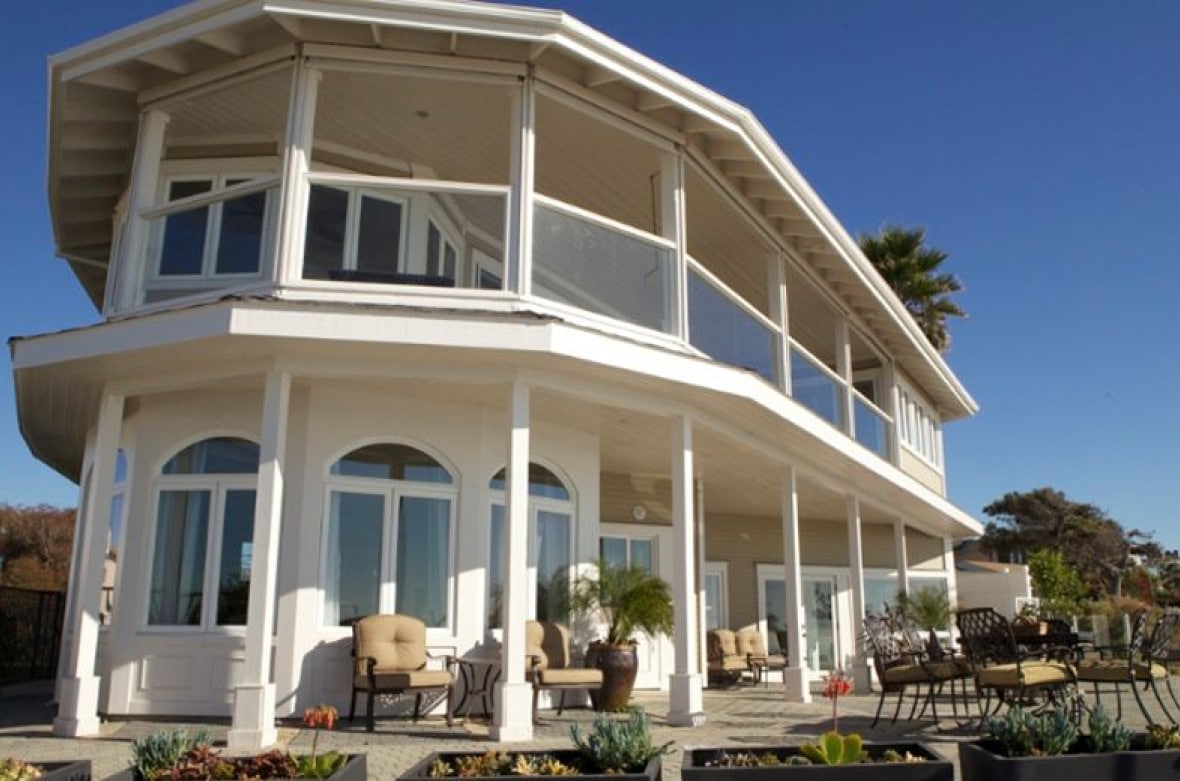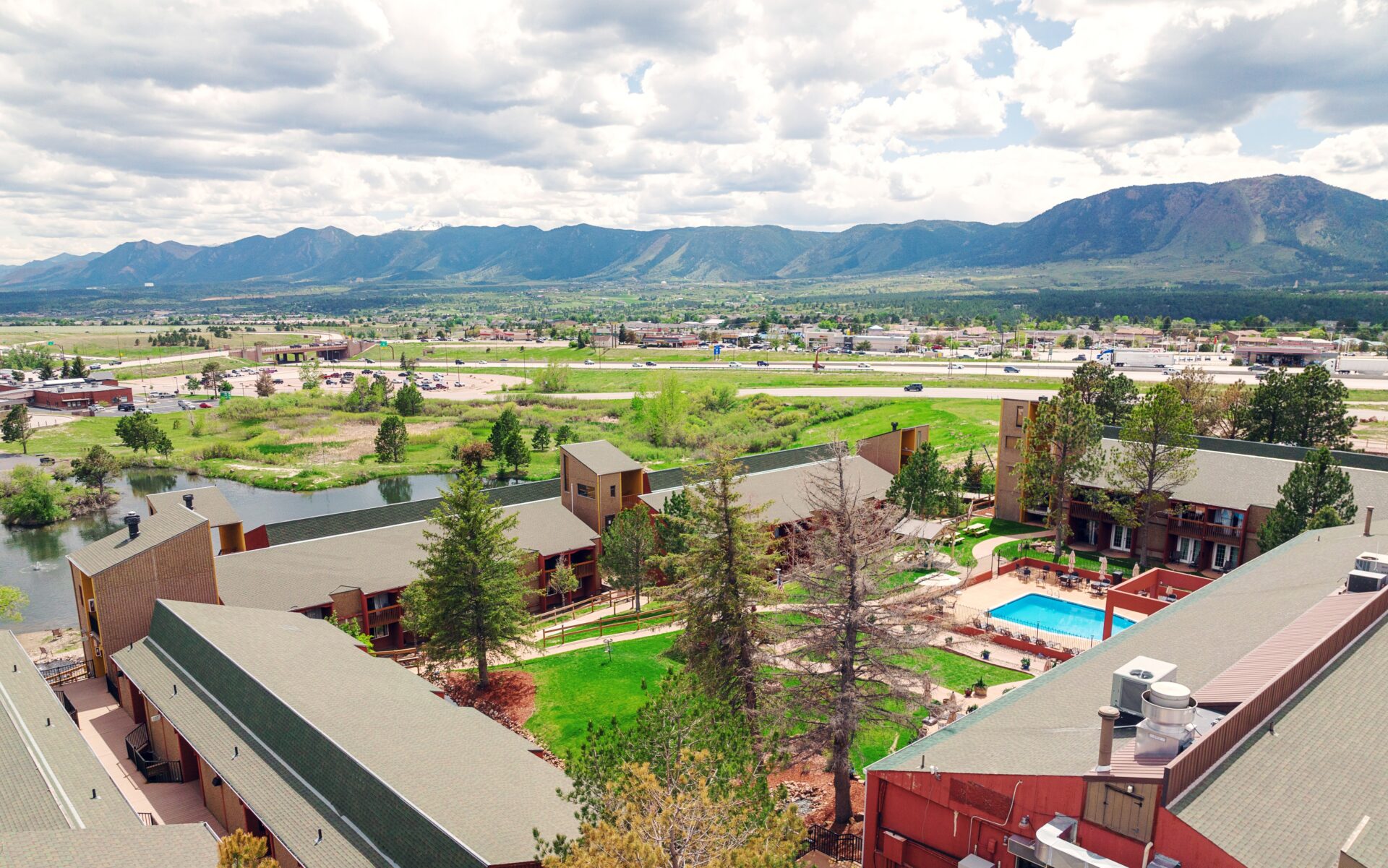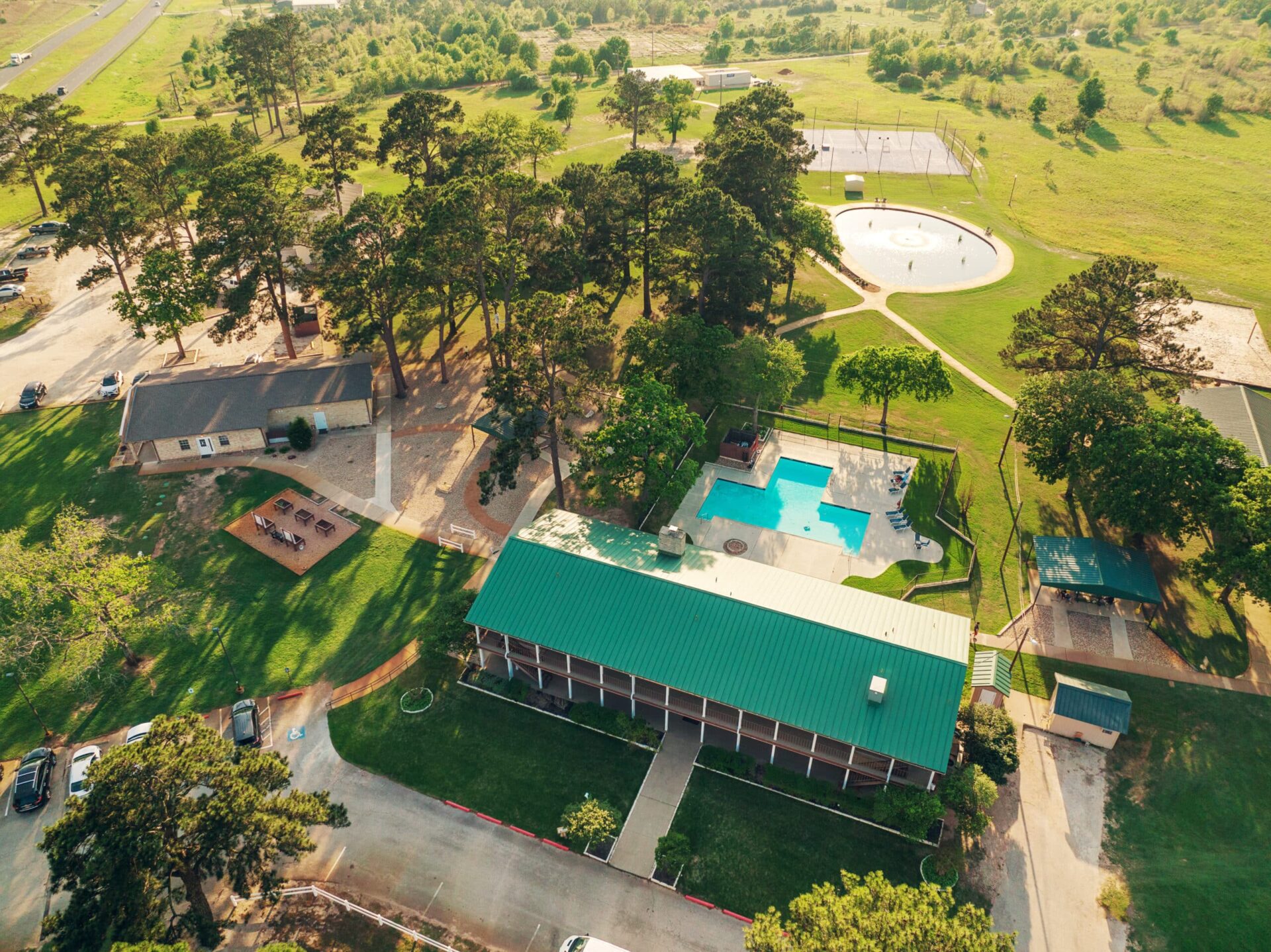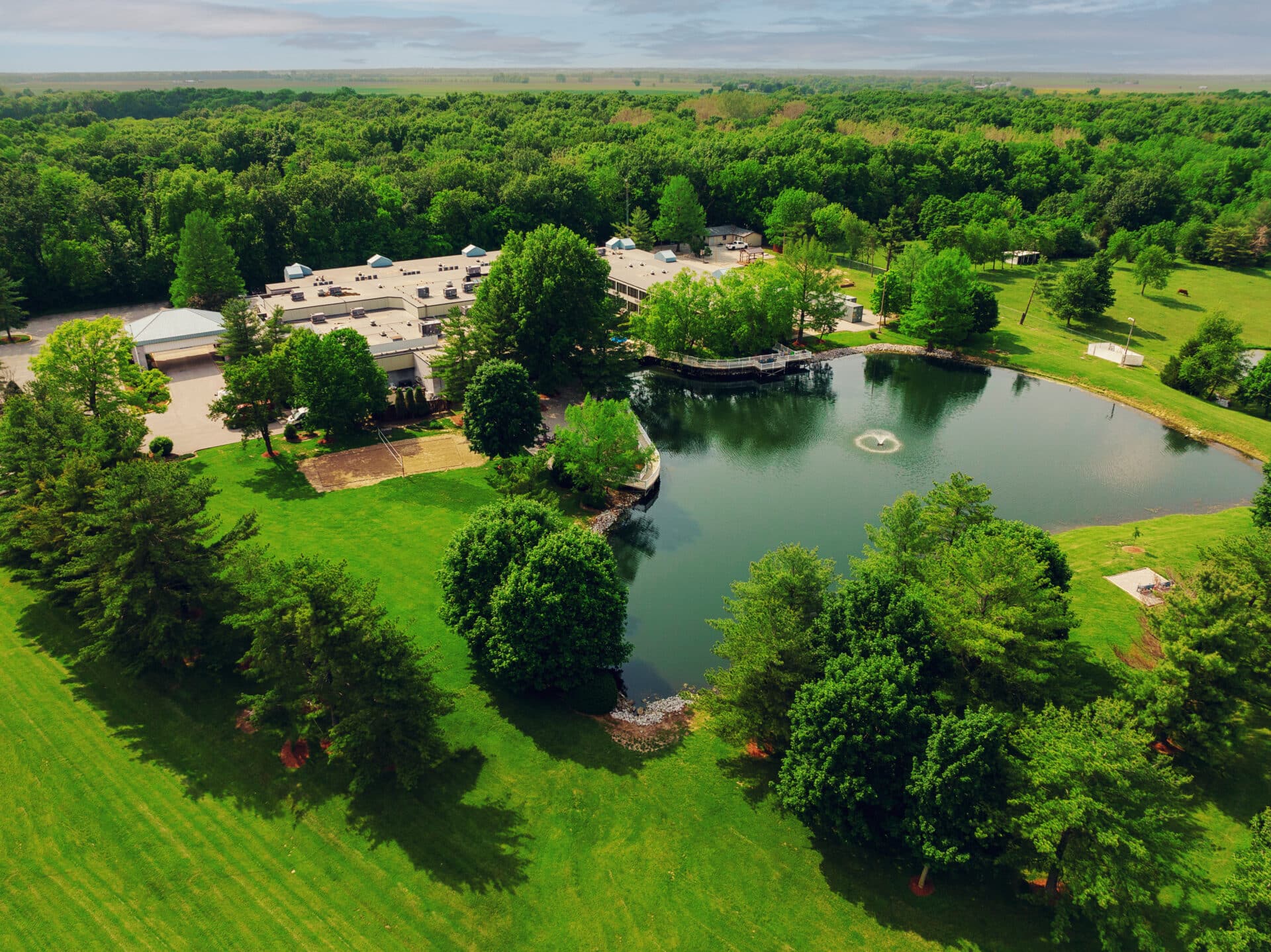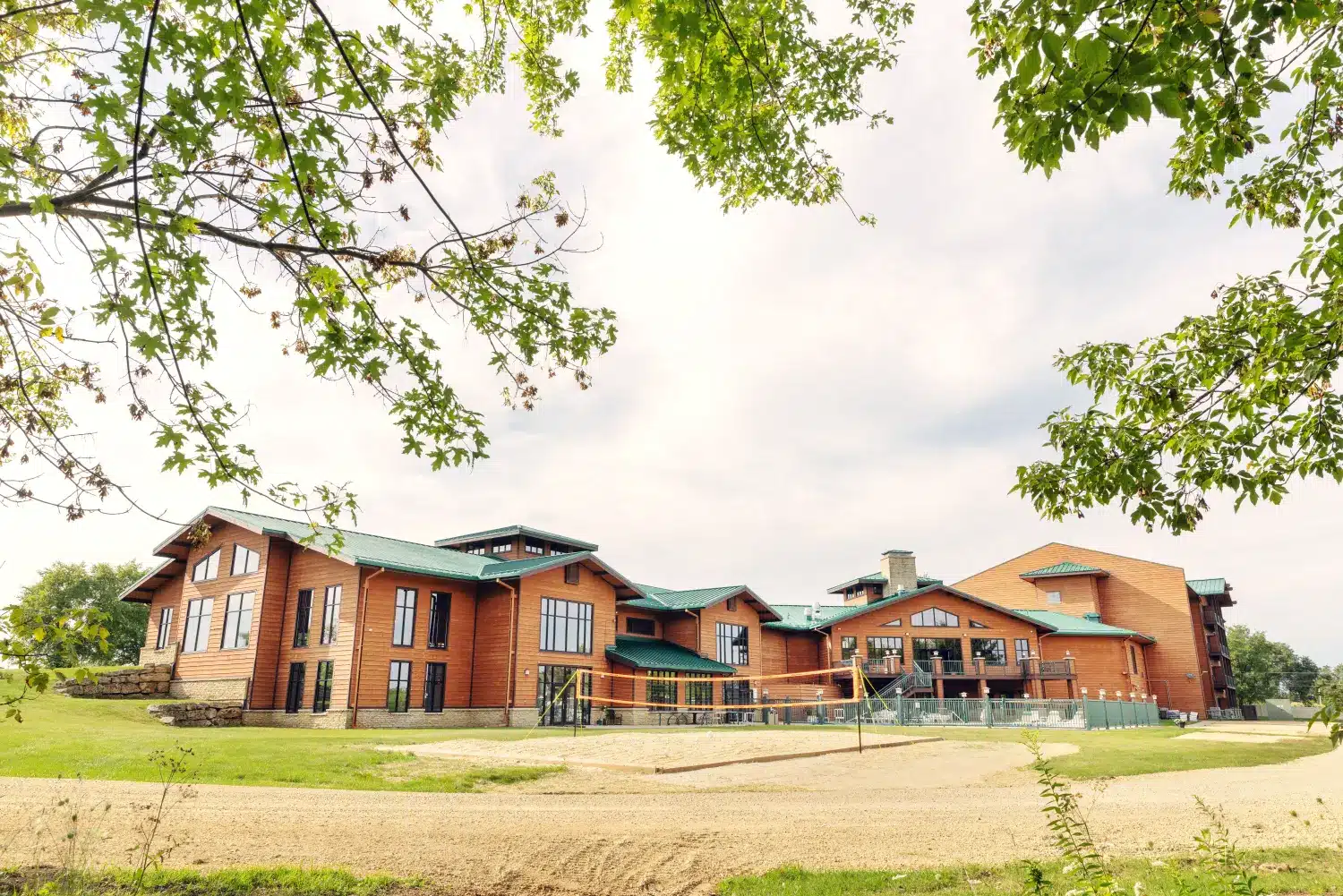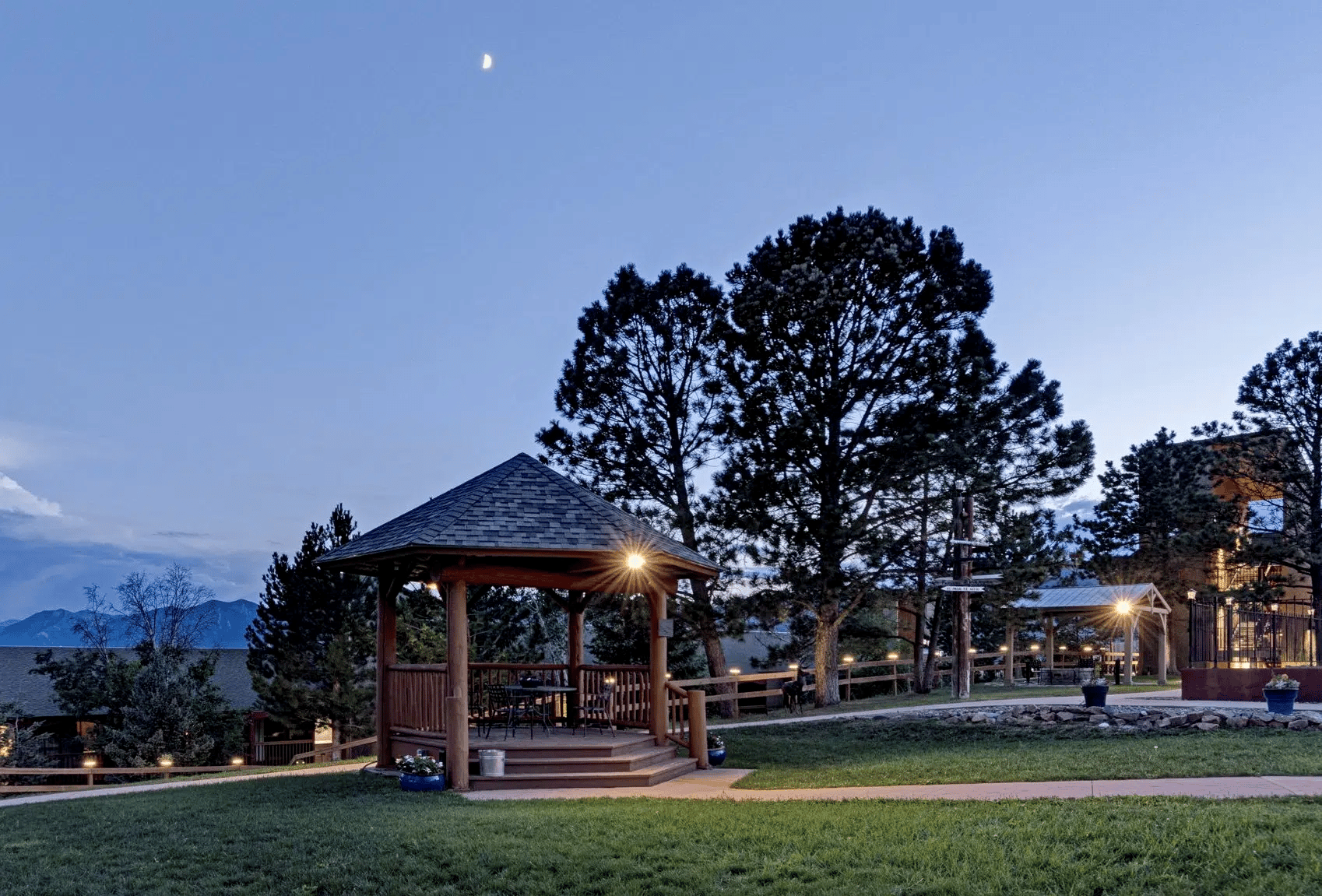
Mountain Springs Recovery - Monument, Colorado
GET HONEST & ACCURATE QUOTE
Allenspark Drug & Alcohol Rehab: Addiction Treatment Near Allenspark
Upscale Colorado facility with medication assisted treatment and Non-12-Step program options
- Keep your phone and laptop
- Safe 24/7 monitored detox
- SMART options
- Dual diagnosis programs
- Long-term arrangements
- Thorough aftercare planning
- Located in Monument, CO
- Out of state options in CA, TX and IL
Check your coverage and get informed on admission process! Call us at:
 555-555-5555*
*HIPPA Compliant and 100% confidential
MAXIMIZE YOUR PPO COVERAGE WITH OUR HELP
We will work with insurance to get you the best possible coverage and minimize expenses.
Finding the right addiction treatment program can be an important first step toward building a healthier, more stable future. If you or someone you love is struggling with alcohol dependence, drug addiction, or a combination of substance use and mental health challenges, professional treatment can provide the structure, medical support, and therapeutic guidance needed to begin recovery.
At Sunshine Behavioral Health, we help individuals and families in Allenspark, Colorado, explore personalized drug and alcohol addiction treatment options. Our goal is to make quality addiction care accessible to people throughout Colorado, including those living in smaller mountain communities where specialized treatment resources may be limited.
For Allenspark residents seeking comprehensive residential addiction treatment, our Mountain Springs Recovery facility in Monument, Colorado, offers a supportive environment where individuals can focus on overcoming substance use disorders and developing the skills needed for long-term recovery.
Whether you are seeking help for yourself or researching treatment options for a family member, Sunshine Behavioral Health can help you understand your options and take the next step.
Finding Drug and Alcohol Addiction Treatment Near Allenspark, Colorado
Allenspark is a small mountain community in Boulder County, situated along the Peak to Peak Highway near Rocky Mountain National Park. Its proximity to forests, mountain trails, and scenic landscapes makes it an appealing place to live for people who appreciate Colorado’s natural environment.
However, living in a peaceful mountain community does not eliminate the possibility of developing a substance use disorder. Alcohol addiction, opioid dependence, prescription drug misuse, and other substance-related challenges can affect individuals regardless of where they live.
Residents of smaller communities like Allenspark may also encounter obstacles when seeking addiction treatment. Specialized rehabilitation centers, medical detoxification services, and residential treatment programs are generally more concentrated in larger population centers.
Some individuals may explore treatment options in nearby communities such as Estes Park, Lyons, Longmont, or Boulder. Others may benefit from traveling farther away to receive care in a structured residential setting.
Sunshine Behavioral Health helps Allenspark residents access comprehensive addiction treatment through our Colorado rehabilitation facility in Monument. By temporarily stepping away from familiar surroundings, individuals can devote their attention to recovery without many of the distractions and triggers associated with everyday life.
Our approach recognizes that addiction is a complex medical and behavioral health condition. Effective treatment should address more than substance use alone. It should also help individuals understand the underlying factors contributing to addiction, improve their emotional well-being, and prepare for life after rehabilitation.
How Do You Know When It Is Time to Seek Addiction Treatment?
Substance use disorders do not always develop suddenly. For many people, occasional substance use gradually becomes more frequent until drinking or drug use begins interfering with everyday responsibilities, personal relationships, or physical health.
Recognizing the signs of addiction can help individuals seek treatment before the consequences become more severe.
Some common indicators that professional addiction treatment may be necessary include:
- Using alcohol or drugs more frequently or in larger amounts than intended.
- Experiencing strong cravings or feeling unable to control substance use.
- Attempting to reduce or stop substance use without success.
- Neglecting responsibilities at work, school, or home.
- Continuing to use substances despite relationship conflicts or health problems.
- Losing interest in hobbies, recreational activities, or social relationships.
- Developing a higher tolerance and needing larger amounts to achieve the same effects.
- Experiencing withdrawal symptoms when substance use decreases.
- Using drugs or alcohol to cope with anxiety, depression, stress, or emotional distress.
- Engaging in dangerous behaviors while intoxicated.
An individual does not need to experience every symptom or reach a crisis point before seeking professional assistance.
At Sunshine Behavioral Health, we encourage individuals to explore their treatment options whenever substance use begins negatively affecting their lives.
Signs That Someone May Need Medical Detox
For individuals who have developed physical dependence on certain substances, abruptly stopping use can produce uncomfortable or potentially dangerous withdrawal symptoms.
Medical detoxification provides professional monitoring and supportive care while the body adjusts to the absence of alcohol or drugs.
Common withdrawal symptoms may include nausea, sweating, tremors, headaches, anxiety, irritability, sleep disturbances, and increased heart rate.
More severe withdrawal symptoms can include seizures, hallucinations, confusion, and significant changes in blood pressure or body temperature. Alcohol and benzodiazepine withdrawal can be particularly dangerous without appropriate medical supervision.
Sunshine Behavioral Health can help determine whether medically supervised detoxification is an appropriate first step before entering residential rehabilitation.
People experiencing severe withdrawal symptoms should seek immediate medical attention rather than attempting to manage withdrawal independently.
Drug and Alcohol Addictions Treated at Rehab
Substance use disorders can involve a wide variety of drugs, each affecting the brain and body differently. The most appropriate treatment approach depends on the substance involved, the severity of dependence, the individual’s medical history, and any co-occurring mental health conditions.
Sunshine Behavioral Health offers individualized treatment planning for people struggling with different types of substance use disorders.
Alcohol Addiction
Alcohol is widely available and socially accepted, which can make problematic drinking patterns difficult to recognize in their early stages.
Alcohol use disorder may involve frequent heavy drinking, unsuccessful attempts to cut back, cravings, and continued alcohol consumption despite negative consequences.
Long-term excessive drinking can contribute to liver disease, cardiovascular problems, cognitive difficulties, and strained personal relationships.
Our alcohol addiction treatment approach focuses on helping individuals understand their drinking patterns, address the psychological factors contributing to alcohol misuse, and develop healthier coping mechanisms.
Individuals with significant physical alcohol dependence may require medical detoxification before participating fully in rehabilitation.
Opioid Addiction
Opioid addiction can develop through the misuse of prescription pain medications or the use of illicit opioids such as heroin and fentanyl.
These substances affect the brain’s opioid receptors, producing pain relief and, in some cases, euphoria. Repeated use can lead to tolerance, physical dependence, and an increased risk of overdose.
Sunshine Behavioral Health helps individuals explore opioid addiction treatment options that may include medically supervised withdrawal management, behavioral therapies, relapse-prevention education, and medications for opioid use disorder when clinically appropriate.
Treatment emphasizes both immediate stabilization and long-term strategies for reducing the risk of returning to opioid use.
Benzodiazepine Addiction
Benzodiazepines are prescription medications commonly used to treat anxiety disorders, panic attacks, seizures, and certain sleep disturbances. Examples include:
- Xanax
- Valium
- Ativan
- Klonopin.
Although these medications have legitimate medical uses, prolonged use can lead to physical dependence. Abrupt discontinuation may result in severe withdrawal symptoms, including seizures.
Individuals who have developed benzodiazepine dependence may require a carefully supervised medical taper before transitioning into more intensive behavioral treatment.
Sunshine Behavioral Health helps patients identify appropriate treatment options based on their medication use, medical needs, and withdrawal risks.
Cocaine Addiction
Cocaine is a powerful stimulant that increases activity in the brain’s reward pathways. Repeated use can contribute to cravings, sleep disturbances, anxiety, mood changes, and cardiovascular complications.
Cocaine addiction treatment typically focuses on behavioral interventions that help individuals recognize triggers, manage cravings, and change patterns of thinking and behavior associated with stimulant use.
Through structured therapy and relapse-prevention planning, individuals can develop practical strategies for maintaining recovery.
Methamphetamine Addiction
Methamphetamine is a highly addictive stimulant that can produce prolonged periods of increased energy, alertness, and euphoria.
Chronic methamphetamine use can negatively affect sleep, emotional regulation, cognitive functioning, physical health, and interpersonal relationships.
At Sunshine Behavioral Health, treatment planning for methamphetamine addiction emphasizes evidence-based behavioral therapies, emotional stabilization, healthy routines, and long-term recovery support.
Prescription Drug Addiction
Prescription drug misuse can involve medications prescribed for legitimate medical conditions, including opioid pain relievers, sedatives, and stimulant medications.
A substance use disorder may develop when someone begins taking medication in larger doses, using it more frequently than prescribed, or taking medication for effects unrelated to its intended medical purpose.
Treatment may involve medical evaluation, medication management, counseling, and education about safer approaches to managing pain, anxiety, or other underlying conditions.
Marijuana Addiction
Although marijuana is legal for adults under Colorado law, some individuals develop cannabis use disorder.
People experiencing problematic marijuana use may have difficulty reducing consumption, rely on cannabis to manage emotions, or experience irritability, sleep problems, and cravings when attempting to stop.
Sunshine Behavioral Health provides treatment approaches designed to help individuals identify unhealthy patterns of cannabis use and develop alternative coping strategies.
Polysubstance Use
Some individuals regularly use multiple substances, such as alcohol and cocaine, opioids and benzodiazepines, or several prescription and illicit drugs.
Polysubstance use can complicate withdrawal management and increase the risk of dangerous drug interactions or overdose.
Effective treatment requires a comprehensive assessment of all substances being used, rather than focusing exclusively on one drug.
Sunshine Behavioral Health considers the full scope of a person’s substance use history when developing an individualized treatment plan.
Personalized Addiction Treatment at Our Colorado Rehabilitation Facility
Sunshine Behavioral Health believes that successful addiction treatment begins with understanding the individual behind the substance use disorder.
No two people experience addiction in exactly the same way. One person may develop alcohol dependence after years of heavy drinking, while another may struggle with prescription opioid misuse following an injury. Others may use substances to cope with unresolved trauma, depression, anxiety, or chronic stress.
These differences make individualized treatment planning essential.
Our Colorado facility, Mountain Springs Recovery, provides medical detoxification, residential addiction treatment, and support for co-occurring mental health conditions. The facility is located at 1865 Woodmoor Drive in Monument, Colorado.
Treatment may include a combination of medical services, individual counseling, group therapy, behavioral interventions, recovery education, and holistic activities.
Sunshine Behavioral Health emphasizes a comprehensive approach that addresses the physical, emotional, psychological, and behavioral aspects of addiction.
What Happens During Addiction Treatment?
Entering rehabilitation for the first time can feel overwhelming, particularly when someone is unfamiliar with the treatment process.
Understanding what to expect can make the transition easier.
Comprehensive Assessment
Treatment begins with an evaluation of the patient’s substance use history, physical health, emotional well-being, and immediate clinical needs.
The assessment helps identify withdrawal risks, co-occurring mental health conditions, and other factors that could affect recovery.
Individualized Treatment Planning
Following the initial evaluation, the treatment team develops a personalized care plan outlining recommended services and recovery goals.
This may include medical detoxification, individual therapy, group counseling, medication management, and behavioral health support.
Individual Therapy
Individual counseling provides an opportunity to discuss personal challenges in a confidential setting.
Therapy may focus on identifying triggers, understanding emotional responses, processing difficult experiences, and developing healthier ways to manage stress.
Patients can also work with their therapists to establish meaningful goals for their lives after treatment.
Group Therapy
Group counseling allows individuals to connect with others who understand the challenges associated with substance use disorders.
These sessions may focus on communication, emotional regulation, relapse prevention, accountability, and healthy relationships.
Group therapy can also help reduce feelings of isolation by demonstrating that recovery does not have to be experienced alone.
Family Support and Education
Addiction often affects family members and loved ones, sometimes creating communication difficulties, damaged trust, or uncertainty about how to provide support.
When appropriate and with the patient’s consent, family involvement may help loved ones better understand addiction and the recovery process.
Family education can address healthy boundaries, communication strategies, relapse warning signs, and realistic expectations during recovery.
Life Skills and Relapse Prevention
Long-term recovery involves more than abstaining from drugs or alcohol. It also requires developing the skills necessary to navigate everyday challenges without returning to substance use.
At Sunshine Behavioral Health, recovery education may focus on managing stress, establishing routines, recognizing triggers, building supportive relationships, and creating practical plans for high-risk situations.
Evidence-Based Therapies Used in Addiction Treatment
Behavioral therapies play an important role in helping individuals understand and change patterns associated with addiction.
Sunshine Behavioral Health incorporates established therapeutic approaches into personalized treatment plans based on clinical needs.
Cognitive Behavioral Therapy (CBT)
Cognitive behavioral therapy helps individuals identify connections between their thoughts, feelings, and behaviors.
For someone struggling with addiction, CBT may involve recognizing thoughts that encourage substance use and learning to respond to those thoughts in healthier ways.
Patients can develop coping strategies for cravings, negative emotions, interpersonal conflicts, and stressful situations.
Dialectical Behavior Therapy (DBT)
Dialectical behavior therapy emphasizes emotional regulation, mindfulness, distress tolerance, and interpersonal effectiveness.
DBT-informed techniques may be particularly useful for individuals who experience intense emotions or rely on substances to manage psychological distress.
These skills can help patients respond to difficult situations without immediately turning to alcohol or drugs.
Motivational Interviewing (MI)
Motivational interviewing is a collaborative counseling approach designed to help individuals explore their motivations for making behavioral changes.
Some people enter rehabilitation feeling uncertain about their ability or readiness to stop using substances.
Motivational interviewing can help patients identify personal reasons for pursuing recovery, explore conflicting feelings, and strengthen their commitment to treatment.
Trauma-Informed Care
Traumatic experiences can influence emotional well-being, relationships, and substance use patterns.
A trauma-informed approach recognizes the potential relationship between past experiences and current behaviors while emphasizing safety, trust, collaboration, and patient choice.
Treatment can help individuals develop healthier coping mechanisms and address trauma-related concerns without assuming that every person with a substance use disorder has experienced trauma.
Holistic and Experiential Services
Addiction recovery involves physical and emotional well-being as well as behavioral change.
Sunshine Behavioral Health complements clinical treatment with activities that encourage relaxation, healthy routines, and personal development.
Depending on the treatment plan and available programming, these activities may include mindfulness, meditation, yoga, fitness, creative expression, and supervised recreation.
Holistic services are intended to support evidence-based treatment rather than replace it.
Dual-Diagnosis Treatment Near Allenspark
Substance use disorders frequently occur alongside mental health conditions. When someone experiences both a substance use disorder and a mental health disorder, this is commonly referred to as a dual diagnosis or co-occurring disorders.
For example, an individual experiencing persistent anxiety may begin drinking alcohol to feel more relaxed. Over time, drinking can become a source of dependence and may ultimately worsen anxiety symptoms.
Similarly, individuals experiencing depression, post-traumatic stress, or other mental health challenges may use substances in an attempt to manage difficult emotions.
Sunshine Behavioral Health recognizes the importance of addressing both conditions rather than treating addiction in isolation.
Our dual-diagnosis treatment approach may address substance use disorders alongside conditions such as:
- Depression and persistent depressive symptoms
- Anxiety disorders
- Post-traumatic stress disorder (PTSD)
- Bipolar disorder
- Other co-occurring behavioral health concerns
Treatment may involve psychiatric assessment, individual counseling, group therapy, medication management, and behavioral interventions.
The specific services recommended depend on the patient’s diagnosis, clinical needs, and the program’s scope of care.
By addressing co-occurring conditions together, Sunshine Behavioral Health helps individuals build a more comprehensive foundation for recovery.
Medication-Assisted Treatment for Substance Use Disorders
Medications can be an important component of addiction treatment for certain substance use disorders.
Medication-assisted treatment, often referred to as MAT, combines FDA-approved medications with counseling and behavioral therapies when clinically appropriate.
For opioid use disorder, medications such as buprenorphine, methadone, and naltrexone may help reduce cravings, manage withdrawal symptoms, or lower the risk of returning to opioid use. Availability of specific medications depends on the treatment setting and prescribing arrangements.
For alcohol use disorder, medications such as naltrexone, acamprosate, and disulfiram may be considered depending on the patient’s medical history and treatment goals.
Medication decisions should be made by qualified healthcare professionals following an appropriate evaluation.
Sunshine Behavioral Health supports individualized treatment that considers whether medication may improve a patient’s ability to engage in recovery.
12-Step and Non-12-Step Recovery Options
People have different beliefs, preferences, and experiences when it comes to addiction recovery.
Some individuals find meaning in traditional 12-Step approaches, while others prefer recovery models that emphasize self-management, behavioral change, or secular support.
Sunshine Behavioral Health recognizes that recovery is not a one-size-fits-all process.
12-Step Recovery Programs
Traditional 12-Step programs, including Alcoholics Anonymous and Narcotics Anonymous, emphasize peer support, personal accountability, and a structured process for maintaining sobriety.
These approaches encourage participants to build supportive relationships and engage in ongoing recovery activities.
For some individuals, 12-Step participation becomes an important part of their long-term support network.
Non-12-Step Recovery Approaches
Other individuals may prefer alternatives to traditional 12-Step programs.
SMART Recovery, for example, emphasizes self-management, motivation, coping with urges, and practical strategies informed by behavioral science.
Non-12-Step treatment options may appeal to people who prefer a secular approach or want to explore recovery through a different framework.
Sunshine Behavioral Health offers access to both traditional and alternative recovery approaches at our Colorado facility, allowing treatment recommendations to better reflect individual preferences.
What Does a Typical Day in Residential Rehab Look Like?
One of the advantages of residential addiction treatment is the opportunity to establish a consistent daily routine.
For individuals whose lives have become disrupted by substance use, structure can provide stability and help rebuild healthy habits.
A typical day in residential rehabilitation may include:
|
Time of Day |
Example Activities |
|
Morning |
Breakfast, wellness activities, and a recovery-focused group |
|
Late morning |
Individual counseling or educational sessions |
|
Afternoon |
Lunch, group therapy, and relapse-prevention training |
|
Late afternoon |
Fitness, mindfulness, recreation, or personal time |
|
Evening |
Dinner, peer-support activities, reflection, and relaxation |
This is an illustrative schedule rather than a guaranteed daily timetable. Actual activities vary according to clinical needs, the stage of treatment, and facility programming.
At Sunshine Behavioral Health, structured treatment is balanced with opportunities for rest, personal reflection, and healthy recreation.
Amenities and Accommodations During Residential Treatment
A comfortable environment can make it easier for patients to focus on the challenges and opportunities associated with recovery.
Our Colorado rehabilitation facility offers a mountain setting designed to support physical and emotional well-being.
Available amenities and activities include fitness facilities, chef-prepared meals, comfortable common areas, outdoor spaces, and recreational programming.
Physical Fitness and Recreation
Physical activity can support recovery by helping individuals establish healthy routines, manage stress, and improve their overall well-being.
Depending on clinical recommendations and program availability, patients may participate in exercise, recreational activities, or supervised group outings.
Nutrition and Healthy Eating
Regular meals and balanced nutrition can be especially important for individuals whose eating habits have been disrupted by prolonged substance use.
Chef-prepared meals help patients establish consistent eating routines while supporting their general health.
Mindfulness and Relaxation
Mindfulness exercises, meditation, and quiet reflection can help patients develop greater awareness of their emotions and reactions.
These practices may also provide healthy alternatives for managing stress during and after treatment.
Staying Connected With Loved Ones
Some people hesitate to enter residential treatment because they worry about losing contact with family members, employers, or other important people in their lives.
Our Colorado facility permits access to cell phones and laptops within program guidelines, helping patients maintain appropriate connections while prioritizing treatment.
Why Travel Outside Allenspark for Residential Addiction Treatment?
Although Allenspark offers a relatively quiet environment, remaining close to home is not necessarily the best choice for everyone entering addiction treatment.
For some individuals, traveling to a residential rehabilitation center provides meaningful advantages.
Create Distance From Familiar Triggers
Substance use can become closely connected to particular people, places, habits, or situations.
Even in a small community, familiar environments may trigger cravings or reinforce established patterns of behavior.
Attending rehabilitation away from Allenspark can provide a temporary separation from those influences.
This distance does not eliminate triggers permanently, but it can create an opportunity to develop coping strategies before returning home.
Access Comprehensive Treatment Services
Smaller mountain communities may have fewer options for specialized addiction services.
Traveling to a residential facility can provide access to medical monitoring, individual counseling, group therapy, psychiatric services, and recovery-focused programming in one location.
Sunshine Behavioral Health helps Allenspark residents access a coordinated treatment experience rather than attempting to arrange every service independently.
Focus on Recovery Without Everyday Distractions
Work responsibilities, household obligations, social pressures, and other daily demands can make it difficult to prioritize addiction treatment.
Residential rehabilitation creates a dedicated period for recovery.
Patients can concentrate on their health, explore the factors contributing to substance use, and practice healthier behaviors in a structured setting.
Maintain a Connection to Colorado
Traveling for addiction treatment does not necessarily mean leaving the state.
Our facility in Monument allows Allenspark residents to receive residential care within Colorado while spending time away from their usual environment.
This can be especially appealing to individuals who want some geographical separation without traveling across the country.
Traveling From Allenspark to Our Colorado Rehab Facility
Allenspark is located in the foothills of the Rocky Mountains along Colorado Highway 7, with access to Estes Park, Lyons, and the Peak to Peak Scenic Byway.
Sunshine Behavioral Health’s Colorado facility is located in Monument, between Denver and Colorado Springs.
Travel generally involves descending from the mountain communities toward the Front Range and continuing south toward Monument. Depending on road conditions and the chosen route, travelers may pass through the Boulder or Denver metropolitan areas.
Mountain roads near Allenspark can be affected by snow, ice, reduced visibility, and seasonal weather changes. Individuals traveling for treatment should check current road conditions and allow sufficient time for their journey.
Sunshine Behavioral Health’s admissions team can help patients understand the arrival process and discuss available transportation arrangements.
Patients experiencing significant withdrawal symptoms or medical instability should consult a healthcare professional before undertaking a long drive.
How Much Does Drug and Alcohol Rehab Cost?
The cost of addiction treatment depends on several factors, including the level of care, length of stay, medical needs, insurance coverage, and services provided.
Medical detoxification and residential rehabilitation generally involve different costs because they require different levels of staffing, monitoring, and clinical support.
Many private health insurance plans provide some coverage for medically necessary substance use disorder treatment.
However, the amount of coverage varies according to the insurance provider, specific policy, deductible, coinsurance, network status, and authorization requirements.
Our admissions team can help verify benefits and explain available treatment options before admission.
Begin Drug and Alcohol Addiction Treatment Near Allenspark Today
Living in a small mountain community should not prevent you from accessing professional addiction treatment.
Whether you are struggling with alcohol dependence, opioid addiction, prescription drug misuse, or another substance use disorder, Sunshine Behavioral Health can help you explore appropriate treatment options.
Our Colorado residential rehabilitation facility in Monument provides a structured setting where individuals can receive clinical care, participate in evidence-based therapies, and begin developing the tools needed for long-term recovery.
You do not need to wait until addiction has caused a major crisis before asking for help.
Contact Sunshine Behavioral Health today to learn more about drug and alcohol rehab near Allenspark, verify your insurance benefits, and discuss the next steps toward treatment.
Frequently Asked Questions About Addiction Rehab Near Allenspark
Is there a drug and alcohol rehab center in Allenspark, Colorado?
Allenspark is a small mountain community with limited local options for specialized residential addiction treatment. Individuals seeking comprehensive care may need to travel to a larger community or a dedicated treatment facility elsewhere in Colorado.
Sunshine Behavioral Health serves Allenspark residents through our Colorado facility in Monument, which provides medical detoxification, residential rehabilitation, and treatment for co-occurring mental health conditions.
What is the closest Sunshine Behavioral Health rehab to Allenspark?
Our Colorado facility, Mountain Springs Recovery, is located in Monument. It is the Sunshine Behavioral Health treatment location we direct Allenspark residents toward for residential drug and alcohol rehabilitation.
Although other treatment providers may operate closer to Allenspark, our Monument facility offers a comprehensive residential treatment environment within Colorado.
Can I receive treatment for both alcohol and drug addiction?
Yes. Addiction treatment can address multiple substance use disorders, including situations involving both alcohol and drugs.
A comprehensive assessment helps determine the safest and most appropriate treatment approach, particularly when multiple substances are involved.
Do I need medical detox before entering residential rehab?
Not everyone entering addiction treatment requires medical detoxification.
The need for detox depends on factors such as the substance involved, frequency and duration of use, physical dependence, withdrawal history, and overall health.
A medical professional can help determine whether supervised withdrawal management is necessary.
Can I receive treatment for depression or anxiety alongside addiction?
Yes. Sunshine Behavioral Health offers dual-diagnosis treatment options for individuals experiencing substance use disorders alongside certain mental health conditions.
Integrated care can help patients address the relationship between substance use, emotional well-being, and mental health symptoms.
Can I keep my phone during residential rehabilitation?
Our Colorado facility allows patients to use phones and laptops within established program guidelines. Technology access is intended to help individuals maintain appropriate contact with loved ones and manage important responsibilities without interfering with treatment.
Will my health insurance cover rehab near Allenspark?
Many private health insurance plans offer benefits for substance use disorder treatment, but coverage varies. Sunshine Behavioral Health can help review your benefits and explain potential coverage for medical detoxification and residential rehabilitation.
What happens after I return to Allenspark from rehab?
Before leaving residential treatment, patients can work with their treatment team to develop an aftercare plan.
Recommendations may include outpatient therapy, peer-support meetings, medication management, virtual counseling, and other services that support continued recovery.
For Allenspark residents, aftercare planning may also consider travel distances and the availability of services in nearby communities.
Sources


Medical disclaimer:
Sunshine Behavioral Health strives to help people who are facing substance abuse, addiction, mental health disorders, or a combination of these conditions. It does this by providing compassionate care and evidence-based content that addresses health, treatment, and recovery.
Licensed medical professionals review material we publish on our site. The material is not a substitute for qualified medical diagnoses, treatment, or advice. It should not be used to replace the suggestions of your personal physician or other health care professionals.