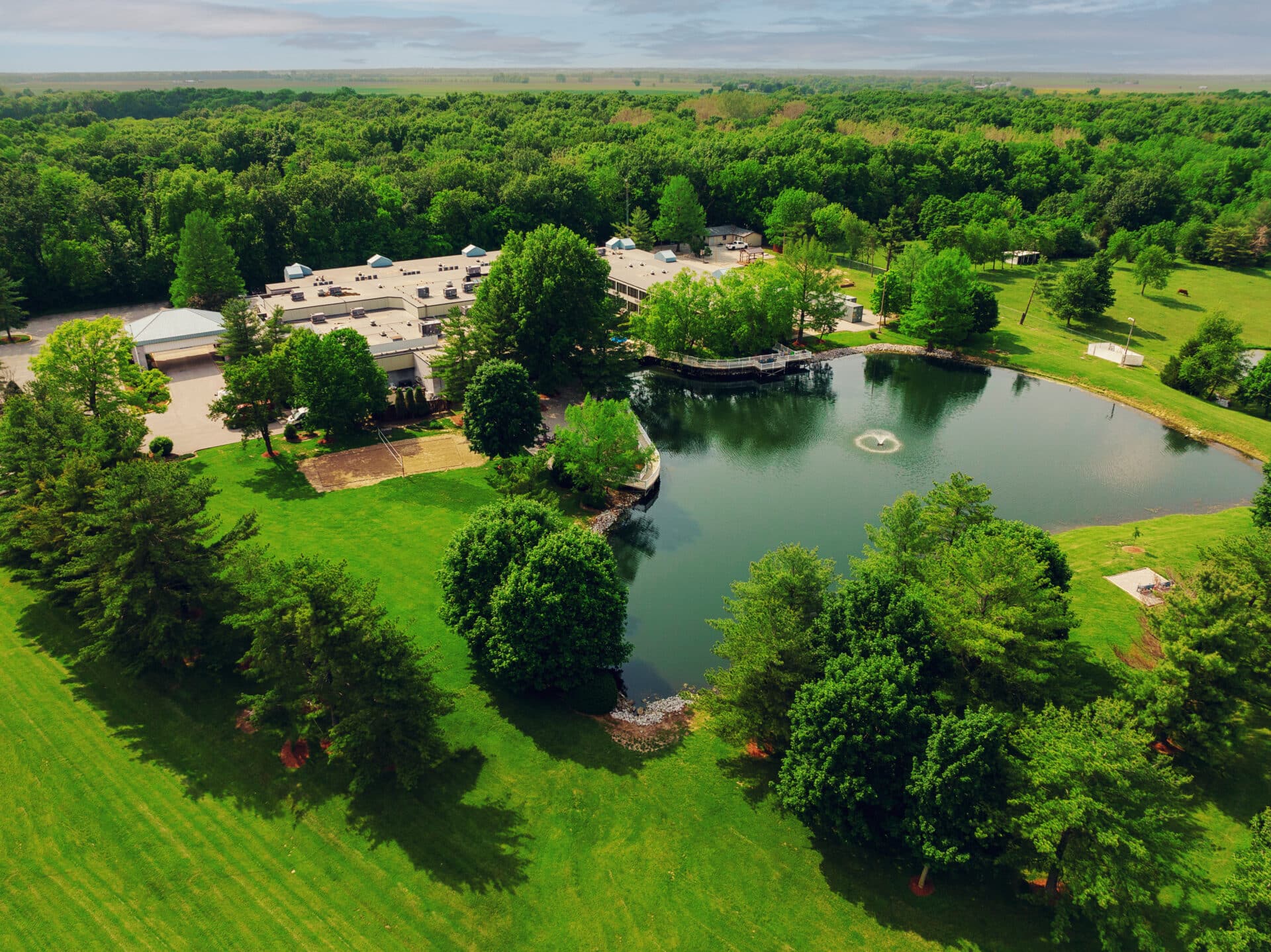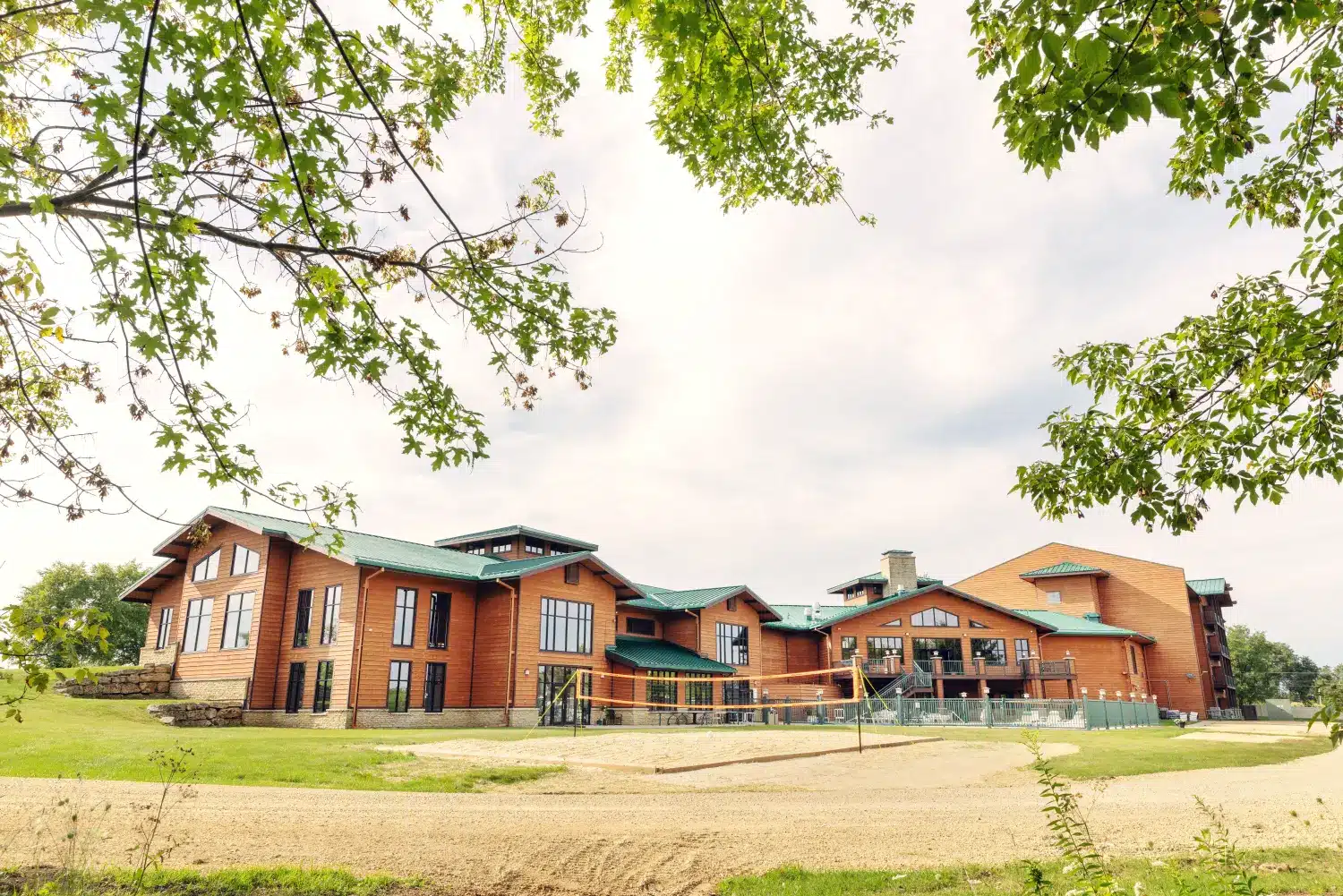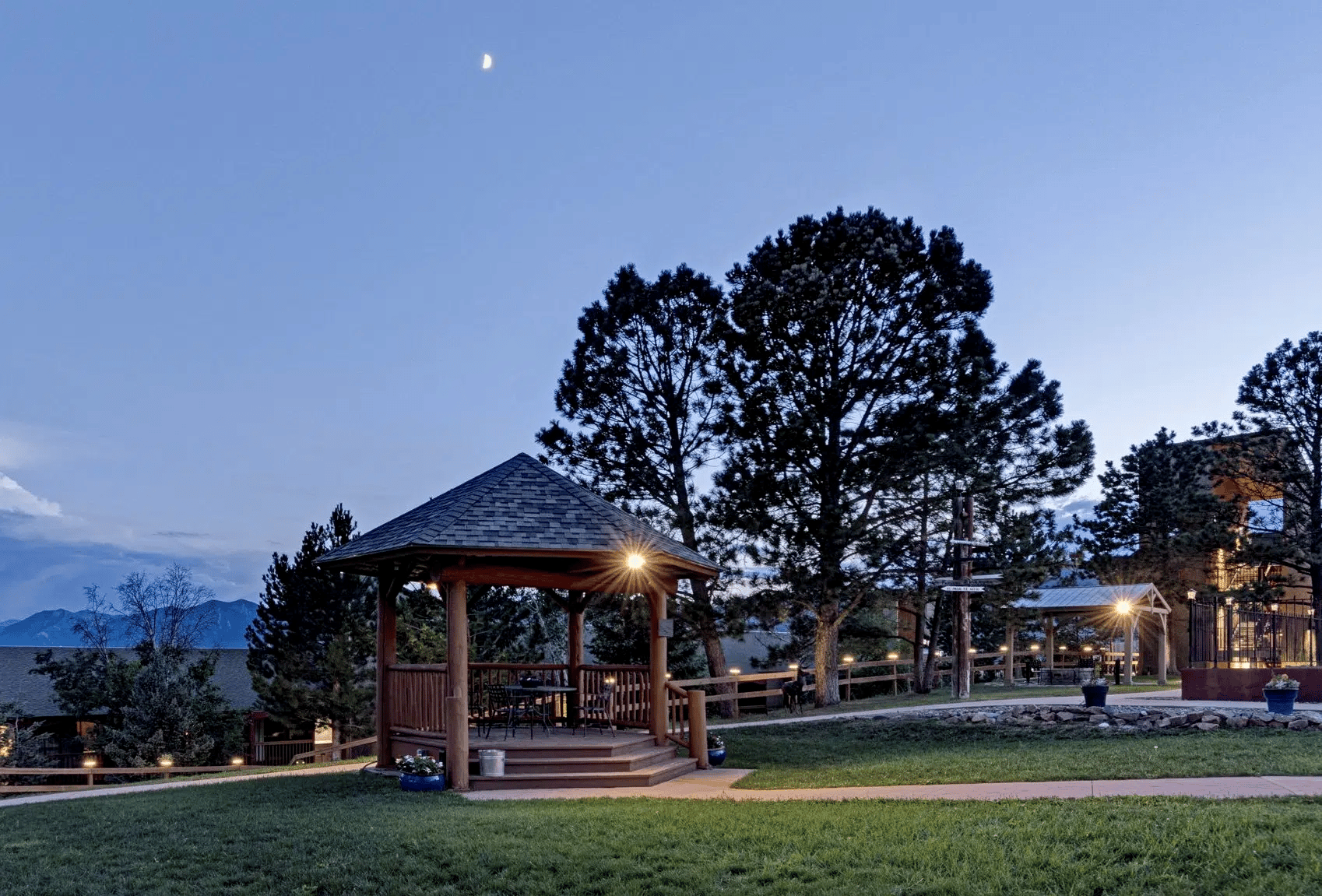
Mountain Springs Recovery - Monument, Colorado
GET HONEST & ACCURATE QUOTE
Arriba Drug & Addiction Rehab: Addiction Treatment Near Arriba
Upscale Colorado facility with medication assisted treatment and Non-12-Step program options
- Keep your phone and laptop
- Safe 24/7 monitored detox
- SMART options
- Dual diagnosis programs
- Long-term arrangements
- Thorough aftercare planning
- Located in Monument, CO
- Out of state options in CA, TX and IL
Check your coverage and get informed on admission process! Call us at:
 555-555-5555*
*HIPPA Compliant and 100% confidential
MAXIMIZE YOUR PPO COVERAGE WITH OUR HELP
We will work with insurance to get you the best possible coverage and minimize expenses.
Living in a small Eastern Colorado community can offer space, familiarity, and strong local connections. However, it can also make it harder to find specialized care when alcohol or drug use begins to affect your health, relationships, work, or safety. If you are searching for addiction treatment near Arriba, you do not have to limit your options to programs located within town limits.
Sunshine Behavioral Health helps individuals and families find compassionate, personalized care for substance use disorders and co-occurring mental health concerns. For people traveling from Arriba, our closest Sunshine Behavioral Health treatment location is Mountain Springs Recovery in Monument, Colorado. There, we provide medical detox and residential addiction treatment in a structured, supportive environment. Care may include evidence-based therapy, dual-diagnosis treatment, medication-assisted treatment, family support, holistic services, and both 12-step and non-12-step recovery options.
You do not need to know exactly which level of care you need before reaching out to Sunshine Behavioral Health. Our admissions team can listen to what has been happening, answer your questions, help determine whether Mountain Springs Recovery may be appropriate, and verify your insurance benefits. Same-day admission may be available depending on clinical needs, bed availability, and the time required to complete the admissions process.
Finding Addiction Treatment Near Arriba, Colorado
Arriba is a small Lincoln County community along Interstate 70. Although a rural setting can provide privacy and close community ties, residents may have fewer nearby choices for specialized detox and residential care. A local physician, therapist, support group, or outpatient provider may be helpful, but some people need a more intensive level of treatment than local resources can provide.
Sunshine Behavioral Health serves Colorado residents through Mountain Springs Recovery in Monument, near Colorado Springs. Of our treatment locations, Mountain Springs Recovery is the closest to Arriba. The facility is far enough away to create a meaningful change in surroundings while remaining within Colorado and within driving distance for many families. The residential program provides a stable daily routine, access to clinical professionals, peer support, and separation from substances and common triggers.
The right treatment setting depends on more than location. When comparing programs, consider whether a facility offers:
- Medical detoxification when withdrawal could be dangerous or difficult to manage
- Residential care with structure and support throughout the day
- Treatment for the substances involved in your situation
- Care for co-occurring mental health conditions
- Evidence-based behavioral therapies
- Medication-assisted treatment when clinically appropriate
- Recovery pathways that fit your beliefs and preferences
- Family education and appropriate opportunities for family involvement
- Aftercare planning for the transition home
- Help understanding insurance coverage and anticipated costs
Sunshine Behavioral Health’s admissions team can help you consider these factors and explain what our Mountain Springs Recovery location offers.
How Do You Know When It Is Time To Seek Treatment?
There is no single event that determines when someone “needs rehab.” Substance use disorders exist on a spectrum, and people seek treatment under many different circumstances. You do not have to lose your job, experience a medical emergency, or reach a particular low point before asking for help.
It may be time to speak with a treatment professional if you or someone you care about:
- Uses more alcohol or drugs than intended
- Has tried to cut back or stop but has been unable to maintain the change
- Experiences strong cravings or spends substantial time obtaining, using, or recovering from substances
- Needs larger amounts to experience the same effects
- Feels sick, anxious, shaky, restless, or otherwise unwell when use stops
- Continues using despite harm to physical or mental health
- Misses work, school, family duties, or other responsibilities because of substance use
- Withdraws from hobbies, relationships, or activities that once mattered
- Uses substances in dangerous situations, such as before driving
- Hides or minimizes the extent of use
- Has experienced an overdose, blackout, injury, or other substance-related emergency
- Uses alcohol or drugs to manage trauma, depression, anxiety, insomnia, or emotional distress
- Returns to use after periods of abstinence despite wanting lasting recovery
A confidential conversation with Sunshine Behavioral Health can help clarify the severity of the problem and the appropriate level of care. For some people, outpatient counseling may be sufficient. Others benefit from medical detox followed by residential treatment. The goal is not to place everyone in the same type of program; it is to match care to the person’s needs and risks.
If someone is unconscious, cannot be awakened, is having trouble breathing, has a seizure, appears severely confused, or may be experiencing an overdose, call 911 immediately. A treatment center is not a substitute for emergency medical care.
Signs That Someone May Need Medical Detox
Detox is the process of allowing alcohol or drugs to leave the body while withdrawal symptoms are monitored and managed. Medical detox may be appropriate when stopping a substance abruptly could cause serious symptoms, when previous attempts to stop have been difficult, or when a person needs a protected environment to begin recovery.
Someone may need a professional detox evaluation if they:
- Use alcohol, benzodiazepines, opioids, or other substances regularly or in large amounts
- Have experienced withdrawal symptoms in the past
- Have previously had a withdrawal seizure, hallucinations, delirium, or severe confusion
- Use more than one substance
- Have significant medical or psychiatric conditions
- Are pregnant or may be pregnant
- Have repeatedly returned to substance use to relieve withdrawal
- Cannot safely remain substance-free in their current environment
- Have recently overdosed or are at elevated overdose risk
Alcohol and benzodiazepine withdrawal can be life-threatening in some circumstances. Opioid withdrawal is often intensely uncomfortable and may contribute to dehydration or rapid return to use; after a period of abstinence, reduced tolerance can also increase overdose risk. Do not attempt to manage potentially serious withdrawal alone. Contact a medical professional, call Sunshine Behavioral Health’s admissions team, or seek emergency care when symptoms are severe.
At Sunshine Behavioral Health’s Mountain Springs Recovery location, the need for detox is determined through clinical evaluation. When detox is recommended, the care team can monitor symptoms, support comfort and safety, and plan the transition into continued treatment rather than treating detox as the entire recovery process.
Addictions Treated at Rehab
Substance use patterns rarely fit neatly into one category. A person may primarily struggle with one substance, use several substances together, or alternate between substances depending on availability and circumstances. Effective treatment considers the complete pattern of use, its medical and emotional effects, and the role it has come to play in the person’s life.
Alcohol Addiction
Alcohol is legal and widely available, which can make harmful use easy to rationalize. Alcohol use disorder may involve daily drinking, periodic binges, an inability to stop after the first drink, increasing tolerance, withdrawal symptoms, or continued drinking despite consequences.
Treatment may begin with medically supervised detox because alcohol withdrawal can become dangerous. Residential care can then help clients identify triggers, understand the thoughts and emotions connected to drinking, build sober routines, and prepare for situations in which alcohol will be present after treatment. When appropriate, medications may also be incorporated into a broader treatment plan for alcohol use disorder.
Opioid Addiction
Opioid use disorder can involve fentanyl, heroin, prescription pain medication, or other opioids. Because illicit substances may contain fentanyl or other unexpected ingredients, a person may not always know exactly what they have taken. Opioid use also carries a substantial risk of fatal overdose.
Treatment may include medical detox, behavioral therapy, overdose-prevention education, relapse-prevention planning, and medication-assisted treatment. Medications can reduce withdrawal symptoms and cravings or help protect against the effects of opioids, depending on the medication and the individual’s clinical needs. Treatment also addresses the circumstances surrounding opioid use, such as chronic pain, trauma, anxiety, grief, or social isolation.
Benzodiazepine Addiction
Benzodiazepines are prescription sedatives used for certain anxiety, sleep, and seizure conditions. Misuse can include taking more than prescribed, using medication more often than directed, obtaining it without a prescription, or combining it with alcohol or opioids. These combinations can dangerously suppress breathing.
Abruptly stopping benzodiazepines after dependence has developed can cause severe withdrawal, including seizures. A medical evaluation is important so that withdrawal can be managed safely. Following stabilization, therapy can help clients develop healthier approaches to anxiety, sleep problems, stress, and other concerns that may have contributed to misuse.
Stimulant Addiction
Stimulant addiction may involve methamphetamine, cocaine, crack cocaine, or prescription medications such as amphetamine-based ADHD drugs when misused. Stimulants can disrupt sleep, appetite, mood, judgment, and cardiovascular health. Some people experience paranoia, agitation, depression, or intense fatigue associated with use or withdrawal.
Treatment focuses on stabilization, structured routines, therapy, craving management, and recovery skills. Because low mood and loss of pleasure can persist after stimulant use stops, clinicians also assess emotional health and suicide risk. Clients learn how to manage high-risk situations and replace the intense reward cycle of stimulant use with sustainable sources of purpose, connection, and well-being.
Marijuana Addiction
Not everyone who uses marijuana develops a problem, but cannabis use disorder is real. Warning signs may include difficulty cutting back, using throughout the day, needing increasingly potent products, neglecting responsibilities, driving while impaired, or continuing use despite anxiety, memory problems, relationship conflict, or reduced motivation.
Treatment helps clients examine what marijuana has been doing for them emotionally or socially. Therapy may address sleep, stress, boredom, anxiety, or other factors that make stopping difficult. A personalized plan can also help clients respond to triggers and build routines that do not depend on marijuana use.
Other Substance Use Disorders
Through Mountain Springs Recovery, Sunshine Behavioral Health can evaluate people affected by prescription drug misuse, hallucinogens, inhalants, synthetic drugs, and polysubstance use. Using multiple substances can make withdrawal, diagnosis, and treatment more complex. Alcohol, opioids, benzodiazepines, stimulants, and marijuana can interact in ways that increase impairment and medical risk.
It is important to tell the admissions and clinical teams what you have used, how often you use it, when you last used it, and whether other substances may have been involved. This information is used to support safer care—not to judge or punish you.
Personalized Addiction Treatment Through Sunshine Behavioral Health
Two people can use the same substance and still need very different forms of support. Their health histories, relationships, trauma exposure, mental health, living environments, previous treatment experiences, and recovery goals may have little in common. That is why Sunshine Behavioral Health emphasizes individualized care at Mountain Springs Recovery rather than applying a generic formula to every client.
An individualized plan may account for:
- Substances used, frequency, amount, and duration of use
- Withdrawal and overdose history
- Physical health and prescribed medications
- Depression, anxiety, trauma, or other mental health symptoms
- Previous treatment and recovery attempts
- Family relationships and available support
- Housing, employment, legal, or financial stressors
- Personal strengths, interests, values, and goals
- Preference for 12-step, non-12-step, or blended recovery support
- Needs that should be addressed in discharge and aftercare planning
Personalization does not mean treatment is unstructured. It means the clinical team uses an organized program while selecting goals and interventions that make sense for the client.
What Happens During Addiction Treatment?
It is normal to feel uncertain about entering rehab, especially if you have never received residential care. Sunshine Behavioral Health makes the process easier to understand before admission. While every treatment experience is different, care generally moves from assessment and stabilization to active therapy, skill development, and planning for continued recovery.
Comprehensive Assessment
The clinical team gathers information about substance use, physical health, mental health, medications, withdrawal risk, living circumstances, relationships, and previous treatment. Honest answers help the team identify risks and recommend the appropriate level of care. Assessment continues throughout treatment as clinicians learn more about the client and observe how symptoms change in a substance-free environment.
Individualized Treatment Planning
Assessment findings are used to develop a treatment plan with specific goals. Early goals may focus on stabilization, sleep, nutrition, withdrawal, or immediate safety. Later goals may address trauma, emotional regulation, family conflict, relapse patterns, or the practical challenges of returning home.
Treatment plans can be revised as needs change. Progress is not always linear, and a useful plan must respond to what the client is experiencing rather than remain fixed simply because it was written at admission.
Individual Therapy
Individual sessions provide private time to work with a therapist on the issues most relevant to recovery. A client may explore triggers, beliefs, emotional patterns, past experiences, relationship dynamics, grief, shame, or fears about life without substances. Therapy can also help a person set realistic goals and practice strategies for situations likely to arise after discharge.
Group Therapy
Group therapy allows clients to learn alongside others who understand addiction from personal experience. Groups may include education, facilitated discussion, recovery skills, communication practice, or relapse-prevention work. Participating in a group can reduce isolation while helping clients recognize patterns they might not notice on their own.
Clients are expected to respect one another’s privacy and contribute to a safe environment. No one has to have a polished recovery story. The value of group work often comes from honest participation, listening, and gradually learning to accept and offer support.
Family Support and Education
Addiction affects families as well as the person using substances. Loved ones may feel frightened, angry, exhausted, confused, or unsure how to help without enabling harmful behavior. Family-focused services can provide education about addiction, communication, boundaries, rebuilding trust, and support for continued recovery.
The degree and timing of family involvement depend on the client’s consent, clinical needs, treatment plan, safety, and family circumstances. Family participation is not automatically appropriate in every situation. The treatment team can explain what contact, education, therapy, or visitation may be available for a particular client.
Life-Skills and Relapse-Prevention Training
Recovery requires more than avoiding a substance inside a protected setting. Clients need practical strategies they can apply in Arriba and wherever life takes them next. Treatment may address scheduling, self-care, communication, problem-solving, emotional regulation, healthy recreation, and asking for help.
Relapse-prevention work helps clients identify:
- Personal triggers and early warning signs
- People, places, routines, and emotions associated with substance use
- Cravings and strategies for responding to them
- High-risk situations likely to occur after discharge
- Supportive people to contact before a crisis escalates
- Steps to take if a lapse occurs
- Continuing-care resources and recovery activities
A return to use does not erase everything a person has learned, but it can be dangerous, particularly after tolerance has decreased. A written response plan helps replace secrecy and panic with clear next steps.
Evidence-Based Therapies Used in Addiction Treatment
Evidence-based therapies are approaches that have been studied and are used to address specific clinical needs. At our Mountain Springs Recovery location, Sunshine Behavioral Health combines therapeutic methods rather than assuming one technique will work for every person.
Cognitive Behavioral Therapy
Cognitive behavioral therapy, or CBT, examines the connections among thoughts, emotions, and behaviors. A client might learn to recognize a thought such as “I cannot handle this feeling without using,” evaluate whether it is accurate, and practice a more useful response. CBT can also help clients anticipate triggers, develop coping skills, and change behaviors that reinforce substance use.
Dialectical Behavior Therapy
Dialectical behavior therapy, or DBT, emphasizes mindfulness, emotional regulation, distress tolerance, and interpersonal effectiveness. These skills can be helpful for people who react impulsively to intense emotions or use substances to escape distress. DBT teaches clients how to experience difficult moments without automatically acting on an urge and how to communicate needs more effectively.
Motivational Interviewing
It is possible to want recovery and still feel ambivalent about changing. Motivational interviewing provides a respectful way to explore that uncertainty. Rather than lecturing or arguing, the therapist helps the client identify personal reasons for change, consider the gap between current behavior and long-term values, and strengthen confidence in the ability to take the next step.
Trauma-Informed Care
Trauma-informed care recognizes that past experiences may affect safety, trust, emotions, relationships, and substance use. It does not assume that every client has experienced trauma, and it does not require someone to disclose everything immediately. The aim is to create care that emphasizes safety, collaboration, choice, and sensitivity to trauma-related responses.
When trauma symptoms are present, clinicians can help clients develop stabilization skills and determine which therapeutic approaches are appropriate. Treatment should avoid pushing someone into detailed trauma processing before they are ready or adequately supported.
Holistic and Experiential Services
Recovery affects the whole person. Holistic and experiential activities can complement, not replace, clinical treatment by helping clients reconnect with their bodies, interests, creativity, and surroundings. Depending on programming and clinical appropriateness, services may incorporate mindfulness, recreation, fitness, outdoor activities, creative expression, or other opportunities to practice healthy engagement.
These activities can make abstract recovery skills more concrete. A client may practice tolerating frustration, remaining present, cooperating with others, or finding enjoyment without substances. They also help clients begin building a lifestyle they will want to maintain after treatment.
Dual-Diagnosis Treatment Near Arriba
A substance use disorder may occur alongside depression, anxiety, post-traumatic stress, bipolar disorder, or another mental health condition. These are known as co-occurring disorders. Sometimes substances are used to cope with emotional symptoms. In other cases, substance use contributes to or intensifies anxiety, depression, paranoia, sleep disruption, or mood instability.
Treating only one side of the problem can leave the other side capable of undermining recovery. Sunshine Behavioral Health’s dual-diagnosis approach evaluates the interaction between substance use and mental health symptoms, then coordinates treatment accordingly. Care may include therapy, psychiatric assessment, medication management when appropriate, coping-skills development, and discharge planning that addresses both conditions.
Diagnosis can take time because intoxication and withdrawal may resemble psychiatric symptoms. The treatment team monitors how symptoms change during stabilization and gathers relevant history before drawing conclusions. If a person is experiencing suicidal thoughts, psychosis, mania, or an immediate mental health crisis, emergency or specialized psychiatric care may be needed. Call 911 or 988 for urgent help in the United States.
Medication-Assisted Treatment
Medication-assisted treatment, commonly called MAT, combines FDA-approved medication with counseling and behavioral support. It may be used for opioid use disorder or alcohol use disorder when clinically appropriate. MAT is not simply replacing one addiction with another. Properly prescribed medication can reduce withdrawal symptoms, cravings, overdose risk, or the rewarding effects of a substance, giving a person greater stability for therapeutic work.
The appropriate medication depends on the substance involved, medical history, current medications, treatment goals, and clinical assessment. Not every client needs MAT, and no single medication is right for everyone. The clinical team at Sunshine Behavioral Health’s Mountain Springs Recovery facility can evaluate whether a medication-supported approach fits the client’s treatment plan and explain its benefits, limitations, and follow-up requirements.
Medication works best as part of comprehensive care. Therapy, recovery skills, social support, and continuing treatment remain important because medication alone does not resolve every emotional, behavioral, and environmental factor connected to addiction.
12-Step and Non-12-Step Recovery Options
Recovery is more sustainable when clients can engage with an approach that makes sense to them. Sunshine Behavioral Health offers exposure to traditional 12-step support as well as SMART Recovery and other non-12-step concepts at Mountain Springs Recovery. Clients can explore these pathways and consider which communities and practices may support them after residential treatment.
Traditional 12-Step Support
Twelve-step programs use a structured sequence of principles, peer support, meetings, personal accountability, and service to others. Many people value the shared language and widespread meeting network available through fellowships such as Alcoholics Anonymous and Narcotics Anonymous. Meetings can give clients access to peers at different stages of recovery and provide a continuing source of connection after discharge.
Some 12-step language is spiritual, but participants interpret spirituality in different ways. A client can learn about the approach, ask questions, and decide how it fits with personal beliefs and recovery goals.
SMART Recovery and Other Non-12-Step Approaches
SMART Recovery is a secular program that draws on behavioral and cognitive principles. It emphasizes building and maintaining motivation, coping with urges, managing thoughts, feelings, and behaviors, and creating a balanced life. The approach encourages practical skill development and personal responsibility without requiring belief in a higher power.
Offering more than one recovery framework allows clients to make an informed choice. Some people prefer one model, while others use elements from several approaches. What matters is developing a reliable plan for support, accountability, and continued growth.
What Is a Typical Day in Residential Rehab?
Residential treatment replaces the unpredictability that often surrounds active addiction with a consistent routine. The exact schedule varies by day and according to a client’s clinical needs, but a typical day may include:
- A regular wake-up time and morning routine
- Meals and time for personal care
- Medication administration or medical check-ins when needed
- Educational or process groups
- Individual therapy on scheduled days
- Recovery meetings or skills-focused sessions
- Physical, recreational, mindfulness, or experiential activities
- Time to complete therapeutic assignments
- Appropriate opportunities to communicate with loved ones
- Evening reflection, peer support, or recovery programming
- A consistent bedtime that supports healthier sleep
Not every hour is spent in therapy. Clients also need time to rest, process what they are learning, and practice living within a healthy routine. Like other Sunshine Behavioral Health treatment locations, Mountain Springs Recovery is phone- and laptop-friendly. This can help clients remain appropriately connected with family or essential responsibilities while following the treatment schedule and program expectations.
Traveling From Arriba to Our Mountain Springs Recovery Location
Mountain Springs Recovery is the Sunshine Behavioral Health treatment location closest to Arriba. It is located at 1865 Woodmoor Drive in Monument, Colorado. Arriba is approximately 87 miles east of Monument, and the drive is generally around two hours, although the actual route and travel time depend on the starting address, weather, road conditions, construction, and traffic.
Before leaving Arriba, speak with the admissions team so that the facility is expecting you and all necessary clinical, insurance, and arrival details have been addressed. Do not begin a long drive if you are intoxicated, in severe withdrawal, dangerously drowsy, or medically unstable. Arrange for a sober driver, discuss transportation options with admissions, or seek emergency care as appropriate.
Colorado weather can change quickly, particularly during winter. Check current conditions before departure and allow extra time when roads may be affected.
Why Travel for Residential Treatment?
Receiving treatment away from home can initially feel inconvenient, but distance can be therapeutically useful. Traveling from Arriba to Monument may help a client:
- Create separation from people, places, and routines connected to substance use
- Reduce easy access to alcohol or drugs
- Protect privacy in a small community
- Focus on recovery without everyday household and work demands
- Access detox, residential care, dual-diagnosis services, MAT, and multiple recovery pathways in one program
- Experience a new environment while remaining in Colorado
- Build confidence functioning outside familiar patterns
Distance alone does not create recovery. Its value comes from pairing a change in environment with structured treatment and a thoughtful plan for returning home.
Paying for Addiction Treatment
The cost of addiction treatment varies according to the level of care, length of stay, clinical needs, insurance benefits, deductibles, copayments, coinsurance, and services authorized by the health plan. Many commercial insurance policies include benefits for medically necessary substance use disorder treatment, but coverage differs substantially from one plan to another.
Sunshine Behavioral Health works with a range of insurance plans and can verify your benefits for treatment at Mountain Springs Recovery before admission. Verification can help clarify:
- Whether the facility is in network or whether out-of-network benefits apply
- Which levels of care may be covered
- Whether prior authorization is required
- The deductible and how much has been met
- Copay or coinsurance responsibilities
- Coverage limitations or medical-necessity requirements
- An initial estimate of potential out-of-pocket costs
Verification is not a guarantee that an insurance company will pay every claim. Coverage can depend on ongoing clinical review and the terms of the policy. If you are uninsured or concerned about costs, speak openly with admissions about available payment options. Do not assume treatment is unaffordable before learning what your specific benefits and options may be.
Begin Addiction Treatment Near Arriba
If alcohol or drug use is making life smaller, less safe, or harder to manage, you can ask for help now. You do not need to diagnose yourself, determine the ideal treatment length, or solve transportation and insurance questions before making the first call.
When you contact Sunshine Behavioral Health, our admissions team can:
- Listen to what you or your loved one has been experiencing
- Discuss current substance use and immediate safety concerns
- Explain medical detox and residential treatment
- Help determine whether Mountain Springs Recovery may be an appropriate fit
- Verify insurance benefits
- Review what to bring and what to expect
- Coordinate an arrival plan
- Discuss whether same-day admission may be possible
Recovery begins with an honest conversation. Contact Sunshine Behavioral Health to explore treatment at Mountain Springs Recovery, our closest rehab location to Arriba, and take the next step toward a healthier life.
Frequently Asked Questions About Addiction Treatment In Arriba
Is There a Drug and Alcohol Rehab Center in Arriba?
Treatment resources and provider availability can change, and Arriba has limited local options compared with larger Colorado communities. Sunshine Behavioral Health does not operate a rehab center in Arriba. Our closest treatment location is Mountain Springs Recovery in Monument, where we provide medical detox and residential addiction treatment. Residents can also contact Colorado or national treatment directories, healthcare providers, and insurers for current information about other levels of care available near Lincoln County.
How Far Is Sunshine Behavioral Health’s Closest Rehab From Arriba?
Mountain Springs Recovery is Sunshine Behavioral Health’s closest treatment location to Arriba. The facility is approximately 87 miles away, with a typical drive of around two hours. Travel time varies based on your exact starting point, selected route, traffic, construction, and weather. Confirm the route before departure and coordinate your arrival with admissions.
Can I Go to Rehab Outside My Hometown?
Yes. Many people choose residential treatment outside their hometown. A different environment can reduce exposure to familiar triggers and provide greater privacy and focus. Before traveling, confirm that the program meets your clinical needs and determine how insurance, transportation, family contact, and aftercare will be handled.
Does Mountain Springs Recovery Offer Medical Detox?
Yes. Sunshine Behavioral Health offers medically monitored detox at Mountain Springs Recovery for clients who are clinically appropriate for the program. An assessment helps determine whether detox is needed and whether the facility can safely manage the person’s withdrawal risks. People experiencing a medical emergency should call 911 rather than travel to the facility without guidance.
Can I Keep My Phone or Laptop During Treatment?
Sunshine Behavioral Health’s Mountain Springs Recovery facility is phone- and laptop-friendly. Clients may use technology while complying with the treatment schedule, privacy expectations, clinical recommendations, and facility rules. Ask admissions about the current technology policy before arrival, particularly if you need access for work or family responsibilities.
Does Rehab Treat Mental Health Conditions Along With Addiction?
Yes. Sunshine Behavioral Health provides dual-diagnosis care at Mountain Springs Recovery for clients with substance use disorders and appropriate co-occurring mental health conditions. Treatment may include therapy, psychiatric evaluation, medication management when indicated, and coping-skills development. Admissions can help determine whether the program is equipped for a person’s specific symptoms and level of acuity.
Can I Receive Medication-Assisted Treatment?
Medication-assisted treatment is available when it is clinically appropriate. The care team considers the substance involved, health history, symptoms, current medications, and treatment goals. Medication is combined with counseling and other recovery services rather than used as a stand-alone solution.
Does Insurance Cover Treatment at Mountain Springs Recovery?
Many insurance plans offer coverage for medically necessary addiction treatment, but benefits vary by policy, provider network, level of care, and authorization. Sunshine Behavioral Health can verify your benefits for Mountain Springs Recovery and discuss expected financial responsibility before admission. Benefit verification does not guarantee final claim payment.
What Should I Bring to Residential Rehab?
Clients generally need comfortable, weather-appropriate clothing, suitable footwear, identification, an insurance card, approved personal-care items, and information about current prescriptions. Bring prescribed medications only as directed, typically in their original labeled containers. Leave prohibited or potentially unsafe items at home. Because policies can change, request the current packing list from your admissions coordinator before leaving Arriba.
Can My Family Visit or Contact Me?
Family contact and involvement may be possible, but the details depend on client consent, clinical recommendations, the treatment schedule, safety considerations, and current facility policies. Phone and laptop access can help clients remain connected. Ask the treatment team how calls, visits, family education, or therapy may fit into the individual plan.
What Happens After I Complete Residential Treatment?
Before discharge, the Sunshine Behavioral Health treatment team develops an aftercare plan based on the client’s progress, risks, home environment, and continuing needs. Recommendations may include partial hospitalization, intensive outpatient or standard outpatient treatment, therapy, medication management, mutual-support meetings, sober living, primary care, and recovery-support resources near Arriba or accessible by telehealth. The goal is to create continuity rather than leave the client to manage the transition alone.
Can I Be Admitted to Rehab the Same Day?
Same-day admission may be available depending on bed availability, clinical appropriateness, insurance verification, transportation, and how quickly the necessary assessment and paperwork can be completed. Contact admissions as early as possible and provide accurate information about current substance use, last use, medical conditions, medications, and withdrawal symptoms. If the situation is an emergency, call 911 or go to the nearest emergency department.
Medical disclaimer:
Sunshine Behavioral Health strives to help people who are facing substance abuse, addiction, mental health disorders, or a combination of these conditions. It does this by providing compassionate care and evidence-based content that addresses health, treatment, and recovery.
Licensed medical professionals review material we publish on our site. The material is not a substitute for qualified medical diagnoses, treatment, or advice. It should not be used to replace the suggestions of your personal physician or other health care professionals.