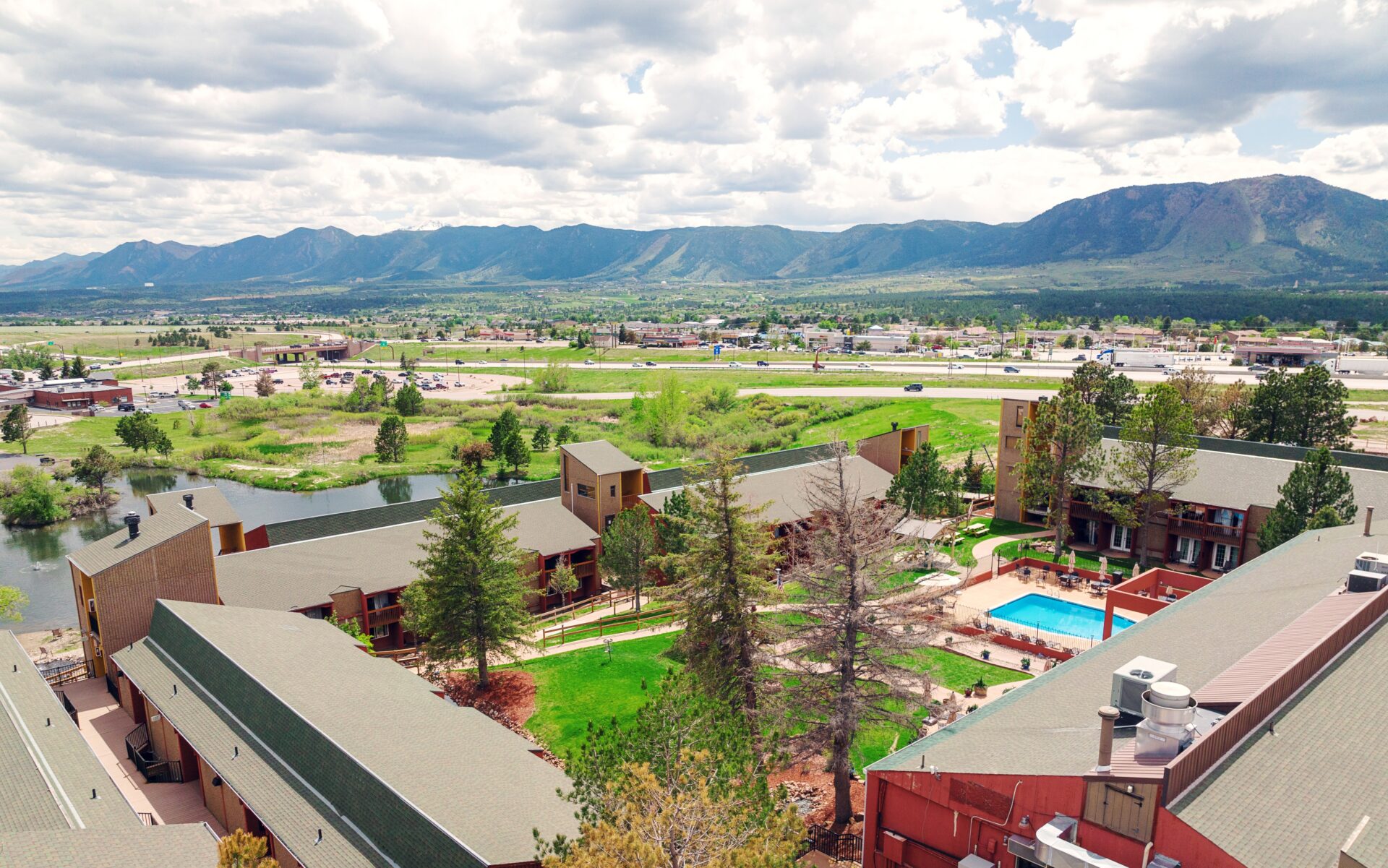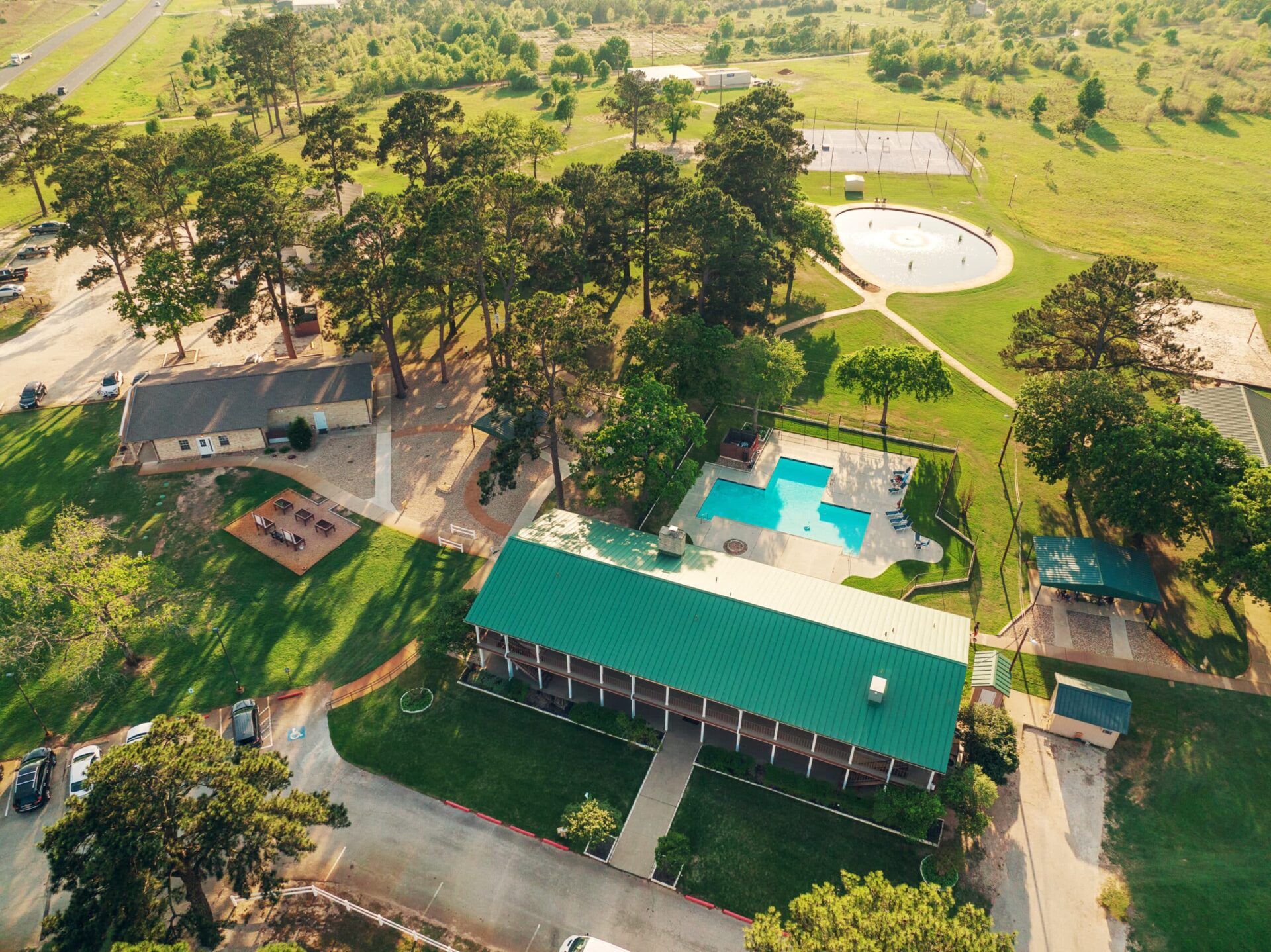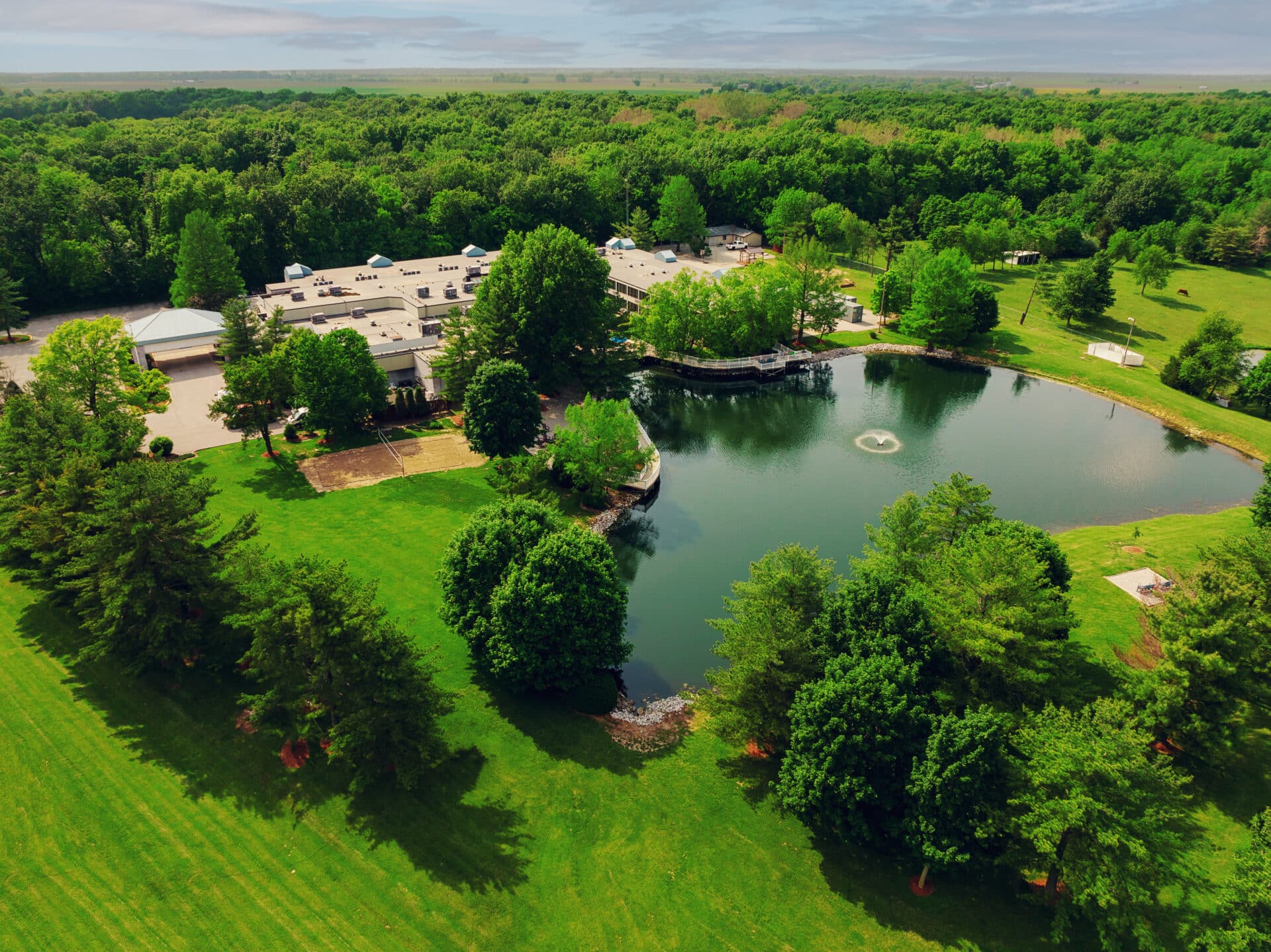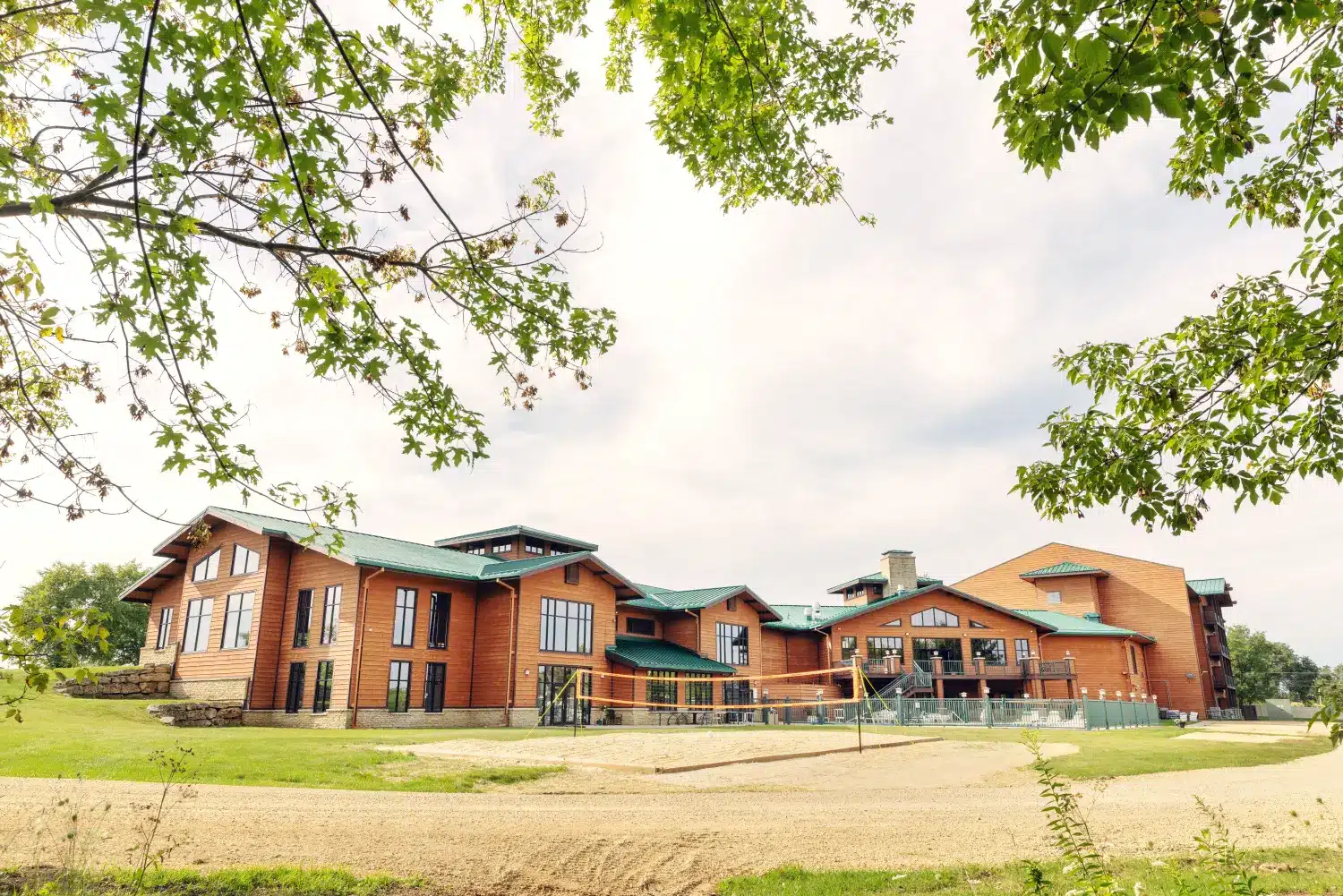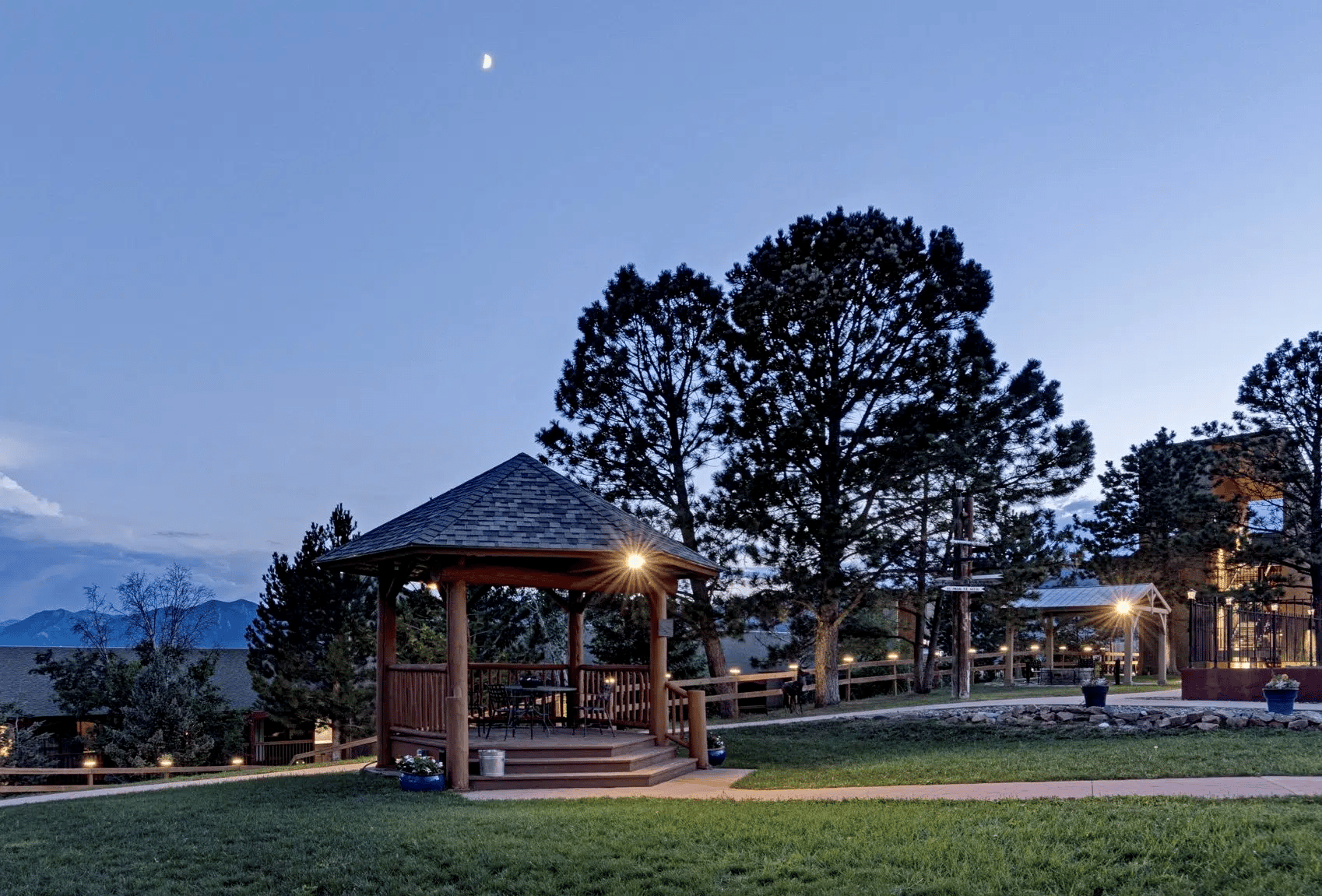
Mountain Springs Recovery - Monument, Colorado
GET HONEST & ACCURATE QUOTE
Arvada Drug & Addiction Rehab: Addiction Treatment Near Arvada
Upscale Colorado facility with medication assisted treatment and Non-12-Step program options
- Keep your phone and laptop
- Safe 24/7 monitored detox
- SMART options
- Dual diagnosis programs
- Long-term arrangements
- Thorough aftercare planning
- Located in Monument, CO
- Out of state options in CA, TX and IL
Check your coverage and get informed on admission process! Call us at:
 555-555-5555*
*HIPPA Compliant and 100% confidential
MAXIMIZE YOUR PPO COVERAGE WITH OUR HELP
We will work with insurance to get you the best possible coverage and minimize expenses.
Addiction can affect nearly every part of a person’s life, including physical health, mental well-being, relationships, employment, and financial stability. When attempts to stop using drugs or alcohol do not last, or withdrawal, cravings, or an unsafe living environment make recovery difficult, professional treatment may provide the structure needed to begin healing.
Sunshine Behavioral Health helps people from Arvada and throughout Colorado find personalized treatment for substance use disorders and co-occurring mental health conditions. Our Colorado treatment facility, Mountain Springs Recovery, is located in Monument, approximately 60 miles from Arvada. This location gives clients space from familiar triggers while allowing them to remain within driving distance of home.
At Sunshine Behavioral Health, we recognize that no two experiences with addiction are identical. Treatment recommendations are based on the substances involved, withdrawal risks, physical and mental health, recovery history, home environment, and personal goals.
When Is It Time to Seek Addiction Treatment?
A person does not need to wait until substance use has caused a medical emergency or complete disruption of daily life before asking for help. Addiction exists on a spectrum, and early intervention may prevent the condition from becoming more severe.
It may be time to speak with Sunshine Behavioral Health if you or someone you care about:
- Regularly uses more of a substance than intended
- Has tried to stop or reduce substance use without lasting success
- Experiences intense cravings
- Needs increasing amounts to feel the same effects
- Develops withdrawal symptoms when use is reduced
- Uses drugs or alcohol to avoid withdrawal
- Misses work, school, appointments, or family responsibilities
- Continues using despite health, legal, financial, or relationship consequences
- Engages in dangerous behavior while intoxicated
- Hides substance use or lies about its frequency
- Loses interest in hobbies and relationships
- Mixes substances or combines drugs with alcohol
- Experiences depression, anxiety, paranoia, or significant mood changes
- Has experienced an overdose or other substance-related emergency
You do not have to determine the appropriate level of care on your own. Our admissions team can listen to what has been happening, gather relevant information, and help identify suitable treatment options.
If someone is unconscious, cannot be awakened, has difficulty breathing, experiences a seizure, or may have overdosed, call 911 immediately. These are medical emergencies and should not be handled through a routine rehab admission.
Addiction Treatment for Arvada Residents
Sunshine Behavioral Health provides access to a continuum of addiction services designed to meet clients at different stages of recovery. Depending on an individual assessment, treatment may begin with medically monitored detoxification before progressing to residential care and ongoing recovery planning.
Our Mountain Springs Recovery facility in Monument offers a structured setting where Arvada residents can step away from substance access, daily pressures, unhealthy relationships, and other environmental triggers.
Monument is far enough from Arvada to create a meaningful change of environment without requiring clients to leave Colorado. The drive is generally around an hour or longer, depending on the starting point, traffic, weather, and road conditions. This makes family involvement and the transition home more manageable for many clients while still providing separation from everyday routines.
Why Travel Outside Arvada for Rehab?
Remaining close to home can be convenient, but convenience is not always the most important consideration when choosing an addiction treatment program. For some people, attending residential treatment outside their immediate community creates conditions that better support early recovery.
Distance From Familiar Triggers
A person’s usual environment may contain reminders of substance use. These can include particular people, places, routines, conflicts, and sources of stress. Leaving Arvada temporarily may reduce exposure to those influences while healthier coping skills are developed.
Fewer Opportunities to Leave Treatment Impulsively
Cravings and difficult emotions can be especially intense during early recovery. When treatment is located minutes from home, it may be easier to leave prematurely during a challenging moment. A modest amount of distance can encourage clients to pause, speak with their treatment team, and continue working through discomfort.
Greater Privacy
Some clients prefer receiving treatment outside the community where they live and work. Traveling to Monument may provide an additional sense of privacy without the cost or logistical complexity of crossing state lines.
Time to Focus on Recovery
Work, family needs, household obligations, and social pressures do not disappear simply because someone has decided to stop using substances. A residential setting creates dedicated time for treatment, rest, reflection, and the development of recovery skills.
A Manageable Return Home
Treatment outside Arvada does not have to mean becoming disconnected from home. Sunshine Behavioral Health incorporates discharge and aftercare planning so clients can prepare for the challenges they are likely to encounter when they return.
Medical Detox Near Arvada
For some people, detoxification is the first stage of treatment. Detox allows drugs or alcohol to leave the body while medical and clinical professionals monitor withdrawal symptoms and help the client stabilize.
Withdrawal is not simply a matter of willpower. Long-term or heavy substance use can cause the brain and body to adapt to a drug’s presence. Abruptly stopping may then produce uncomfortable and sometimes dangerous physical and psychological symptoms.
At our Monument facility, Sunshine Behavioral Health provides 24-hour monitored detoxification and medication-assisted options when clinically appropriate.
Who May Need Medically Supervised Detox?
A professional detox assessment may be especially important for people who:
- Use alcohol heavily or regularly
- Take benzodiazepines such as Xanax, Ativan, Klonopin, or Valium
- Use opioids such as heroin, fentanyl, oxycodone, or hydrocodone
- Have previously experienced seizures or severe withdrawal
- Use several substances
- Have significant medical or mental health conditions
- Are pregnant or may be pregnant
- Have been unable to complete withdrawal at home
- Do not have a safe or supportive place to detox
Alcohol and benzodiazepine withdrawal can become medically dangerous. Opioid withdrawal is not usually life-threatening by itself, but its severity may lead to dehydration, relapse, or overdose. After a period of abstinence, reduced tolerance can make returning to a previously used dose especially dangerous.
What Happens During Detox?
The process typically begins with an assessment of substance use, current symptoms, medications, physical health, mental health, and previous withdrawal experiences. This information helps the treatment team anticipate risks and develop an appropriate plan.
During detox, care may include:
- Regular monitoring of withdrawal symptoms and vital signs
- Medications when clinically appropriate
- Hydration and nutritional support
- Assistance with sleep and physical discomfort
- Emotional reassurance
- Evaluation for co-occurring conditions
- Planning for the next level of care
Detox addresses physical stabilization, but it does not resolve the behavioral, emotional, and environmental factors associated with addiction. Whenever possible, clients should transition directly from detox into continuing treatment.
Residential Drug and Alcohol Rehab Near Arvada
Residential treatment provides a structured environment in which clients live at the facility and participate in a full schedule of therapeutic and recovery-focused activities. It may be recommended when substance use is severe, the home environment is unstable, outpatient care has not been sufficient, or a person needs more support than periodic appointments can provide.
Through Sunshine Behavioral Health, clients at our Monument facility can receive individualized care in a peaceful Colorado setting. Programming may include individual counseling, group therapy, educational sessions, recovery meetings, wellness activities, case management, and aftercare preparation.
Residential treatment can help clients:
- Understand personal patterns of substance use
- Recognize triggers and warning signs
- Develop healthier coping mechanisms
- Improve emotional regulation
- Address damaged relationships
- Practice communicating and setting boundaries
- Establish more consistent daily routines
- Build a relapse-prevention plan
- Connect with other people working toward recovery
- Prepare for an appropriate step-down level of care
The recommended length of treatment differs from person to person. Clinical needs, progress, insurance coverage, recovery history, and living circumstances can all affect how long someone remains in care.
Substance Use Disorders We Treat
Sunshine Behavioral Health helps people address addictions involving a range of substances. Because people frequently use more than one substance, treatment is based on the client’s complete history rather than only the drug that appears to be causing the most immediate concern.
Alcohol Addiction
Alcohol is legal and socially accepted, which can make problematic drinking difficult to recognize. Warning signs may include drinking alone, blacking out, hiding alcohol, being unable to limit intake, drinking to prevent withdrawal, or continuing despite health and relationship consequences.
Alcohol withdrawal may cause tremors, sweating, nausea, anxiety, insomnia, elevated blood pressure, hallucinations, or seizures. People who drink heavily should seek medical advice before attempting to stop abruptly.
Opioid Addiction
Opioids include heroin, fentanyl, morphine, codeine, oxycodone, hydrocodone, and other prescription pain medications. Opioid addiction can develop after recreational use or after a legitimate prescription.
Treatment may incorporate behavioral therapy, relapse-prevention planning, and medication-assisted treatment when appropriate. Because fentanyl is present in much of the illicit drug supply, any nonprescribed opioid use carries a substantial overdose risk.
Benzodiazepine Addiction
Benzodiazepines are prescribed for conditions such as anxiety, panic disorders, and insomnia. Regular use can lead to tolerance and physical dependence even when a medication was initially taken as prescribed.
Stopping benzodiazepines suddenly may cause severe withdrawal, including seizures. A medically managed approach may be necessary.
Cocaine Addiction
Cocaine can create intense but short-lived effects, sometimes leading to repeated use over a short period. Addiction may contribute to cardiovascular problems, sleep disruption, paranoia, anxiety, depression, and financial or legal consequences.
Treatment can help clients understand the triggers behind stimulant use and develop strategies for managing cravings, stress, and low mood.
Methamphetamine Addiction
Methamphetamine can strongly affect reward, sleep, appetite, judgment, and mood. People who stop using may experience exhaustion, depression, anxiety, strong cravings, and difficulty feeling pleasure.
A structured environment can provide stability while clients begin restoring sleep, nutrition, emotional balance, and daily functioning.
Prescription Stimulant Addiction
Medications prescribed for attention disorders can be misused by taking larger doses, using them without a prescription, or consuming them in a different way than directed. Misuse may cause anxiety, agitation, insomnia, cardiovascular complications, and dependence.
Treatment addresses both the substance use and any underlying symptoms that contributed to misuse.
Marijuana Addiction
Not everyone who uses marijuana develops an addiction, but frequent use can become difficult to control. Some people experience impaired motivation, memory problems, anxiety, disrupted sleep, relationship difficulties, or withdrawal symptoms when they stop.
Professional care may be appropriate when marijuana use interferes with daily functioning or continues despite repeated attempts to quit.
Polysubstance Use
Many people entering treatment use multiple substances. Combining alcohol with opioids, benzodiazepines, or other depressants can substantially increase overdose risk. Combining stimulants and depressants can also place serious strain on the body.
Sunshine Behavioral Health evaluates the overall pattern of use so detoxification and continuing treatment can be planned safely.
Dual Diagnosis Treatment Near Arvada
Substance use and mental health are often closely connected. Some people use alcohol or drugs to cope with anxiety, depression, trauma, intrusive thoughts, loneliness, or insomnia. In other cases, long-term substance use produces or intensifies psychiatric symptoms.
Dual diagnosis treatment addresses substance use alongside co-occurring mental health concerns. Depending on the person’s needs, these may include:
- Depression
- Anxiety disorders
- Trauma-related symptoms
- Post-traumatic stress
- Bipolar disorder
- Attention-deficit/hyperactivity disorder
- Mood instability
- Grief and loss
- Sleep disorders
Treating only the addiction while overlooking mental health may leave an important relapse trigger unaddressed. Likewise, psychiatric treatment may be less effective if ongoing substance use continues to disrupt mood, sleep, judgment, and medication management.
Sunshine Behavioral Health uses integrated treatment planning to help clients understand how these conditions interact and build strategies for managing both.
Personalized Approaches to Addiction Recovery
Recovery is not a uniform process. A method that motivates one person may not resonate with another. Sunshine Behavioral Health develops treatment plans using information gathered during the assessment process and adjusts those plans as clients progress.
Individual Therapy
Individual sessions offer a private setting in which clients can explore personal experiences, substance-use patterns, relationships, trauma, goals, and barriers to recovery. Therapy can also help clients identify thought patterns that contribute to impulsive decisions or self-defeating behavior.
Group Therapy
Group sessions allow clients to learn from one another, practice communication, receive feedback, and discover that they are not alone. Groups may address relapse prevention, emotional regulation, coping skills, relationships, stress, grief, and recovery education.
Cognitive Behavioral Therapy
Cognitive behavioral therapy helps people identify connections among thoughts, emotions, and actions. Clients can learn to challenge unhelpful assumptions and respond to triggers in healthier ways.
Trauma-Informed Care
Trauma-informed treatment recognizes that past experiences may affect a person’s sense of safety, trust, emotional regulation, and substance use. The goal is to provide care without forcing disclosure or moving faster than the client can tolerate.
Family Support and Education
Addiction affects families as well as individuals. When appropriate, family involvement can help loved ones understand addiction, improve communication, establish boundaries, and prepare for the client’s return home.
Family participation does not mean assigning blame. It focuses on building a healthier environment for everyone involved.
12-Step Programming
Some clients benefit from the structure, peer fellowship, accountability, and spiritual principles associated with 12-Step recovery. Participation can also introduce people to community meetings they may continue attending after leaving treatment.
Non-12-Step and SMART Recovery Options
Sunshine Behavioral Health recognizes that 12-Step programming is not right for everyone. Our Colorado facility also offers non-12-Step and SMART Recovery options, allowing clients to engage with approaches that better fit their beliefs and recovery goals.
Medication-Assisted Treatment
Medication-assisted treatment, commonly called MAT, combines approved medications with counseling and behavioral support. It may be used for certain alcohol or opioid use disorders when clinically appropriate.
Medication may help reduce cravings, manage withdrawal symptoms, or support stability while a person participates in therapy. MAT is not simply substituting one addiction for another. When prescribed and monitored appropriately, medication can be one part of a broader recovery plan.
Not every medication or MAT approach is appropriate for every client. Recommendations depend on medical history, substance use, treatment goals, and clinical evaluation.
Holistic Support During Addiction Treatment
Recovery involves more than avoiding drugs and alcohol. Sleep, movement, nutrition, recreation, relationships, and daily structure can all affect emotional well-being and relapse risk.
Sunshine Behavioral Health incorporates supportive activities that help clients rebuild healthy routines. At our Monument campus, available features include fitness opportunities, outdoor space, holistic activities, chef-prepared meals, life-skills support, and recreational programming.
These services complement clinical treatment. They do not replace counseling or medical care, but they can help clients discover healthier ways to manage stress, spend free time, and care for themselves.
What Is a Typical Day in Residential Rehab Like?
Schedules vary, but residential treatment generally follows a consistent daily structure. A day may include:
- Morning preparation and breakfast
- Recovery-focused or mindfulness activities
- Group therapy
- Individual appointments
- Educational sessions
- Lunch and scheduled breaks
- Case management or treatment-planning meetings
- Exercise, recreation, or holistic activities
- Recovery meetings
- Dinner
- Personal time and evening reflection
Structure can be especially helpful for people whose sleep, eating habits, work, relationships, and responsibilities have become unpredictable because of substance use.
Clients are not expected to spend every waking moment in therapy. Rest, recreation, peer connection, and quiet time can also support the recovery process.
Can I Keep My Phone or Laptop During Rehab?
Sunshine Behavioral Health believes that appropriate contact with supportive loved ones can benefit recovery. Our treatment centers are cellphone- and laptop-friendly, although reasonable guidelines may apply so technology does not interfere with therapy, privacy, safety, or participation in the program.
Technology access may be particularly helpful for clients who need to communicate with family members or address essential personal responsibilities. Admissions staff can explain the current device policy and what clients should bring before arrival.
Paying for Addiction Treatment Near Arvada
The cost of rehab depends on factors such as the level of care, length of treatment, services required, insurance benefits, and facility.
Sunshine Behavioral Health works with many insurance providers and offers free insurance verification to help prospective clients understand their benefits. Coverage differs among policies, even when two people have insurance through the same company.
Insurance verification may help determine:
- Whether the facility is covered
- Which levels of care are included
- Whether prior authorization is required
- The deductible and how much has been met
- Coinsurance or copayment responsibilities
- Any limitations on treatment length
- The estimated out-of-pocket expense
Verification is not a guarantee that an insurer will pay every claim. However, it can provide a clearer estimate before admission. Our team can also discuss available payment options when coverage does not meet the full cost of care.
How the Admissions Process Works
Asking for help can feel overwhelming, so Sunshine Behavioral Health aims to make the admissions process as clear as possible.
1. Contact Our Admissions Team
The process begins with a confidential conversation. You can call for yourself or on behalf of someone you care about.
2. Complete an Initial Assessment
An admissions representative will ask about substance use, withdrawal symptoms, physical and mental health, previous treatment, medications, and immediate safety concerns.
Honest answers help us identify the safest and most appropriate options. The purpose is not to judge or disqualify anyone.
3. Verify Insurance or Discuss Payment
With permission, our team can contact the insurance provider and review applicable benefits. We will explain the information available to us and discuss anticipated financial responsibility.
4. Review the Recommended Level of Care
The appropriate starting point might be medical detoxification, residential treatment, or another service. Recommendations are based on individual needs rather than a predetermined program.
5. Plan the Admission
If our Monument facility is an appropriate fit, admissions staff can explain arrival timing, transportation considerations, what to pack, and what to expect during intake.
How to Choose an Addiction Rehab Serving Arvada
Not every facility offers the same services or level of oversight. When comparing treatment programs, consider asking:
- Does the facility provide the level of care recommended for me?
- Is medical detox available if I need it?
- Is care individualized?
- Can the program address co-occurring mental health concerns?
- What credentials do clinical and medical staff hold?
- How are emergencies handled?
- Which therapies and recovery approaches are available?
- Are both 12-Step and non-12-Step options offered?
- How does the facility involve families?
- What is the policy regarding phones and laptops?
- How does discharge planning work?
- Will the admissions team verify my insurance?
- What expenses could remain after insurance?
- Is the environment conducive to focused recovery?
Comfortable surroundings can make treatment more manageable, but amenities should not be the only deciding factor. Clinical capabilities, safety procedures, individualized planning, and continuity of care should remain central considerations.
Begin Addiction Treatment Near Arvada Today
You do not need to have every part of recovery figured out before taking the first step. You only need to begin the conversation.
Sunshine Behavioral Health helps Arvada residents understand their treatment options and determine whether our Mountain Springs Recovery facility in Monument may meet their needs. Our Colorado program offers monitored detoxification, residential addiction care, dual diagnosis support, individualized therapy, multiple recovery pathways, and thorough aftercare planning in a peaceful setting away from everyday triggers.
Contact Sunshine Behavioral Health today for a confidential conversation. Our admissions team can answer your questions, review your insurance benefits, and help you understand what comes next.
Frequently Asked Questions
Is there a Sunshine Behavioral Health rehab in Arvada?
Sunshine Behavioral Health does not operate a residential treatment facility within Arvada. Our Colorado facility, Mountain Springs Recovery, is located in Monument. It gives Arvada residents access to treatment within Colorado while providing some separation from their everyday environment.
How far is Mountain Springs Recovery from Arvada?
The driving distance is approximately 60 miles, although the exact route and travel time depend on your starting location, traffic, weather, and road conditions. Many trips take around an hour or longer.
Does everyone need detox before entering rehab?
No. Detox is recommended when a person is physically dependent on a substance or faces meaningful withdrawal risks. An assessment helps determine whether detoxification is necessary before residential treatment.
How long does addiction treatment last?
Treatment length depends on clinical needs, progress, recovery history, living environment, and insurance coverage. Some people need a relatively short period of stabilization, while others benefit from a longer course of residential and step-down care.
Can Sunshine Behavioral Health treat addiction and mental health conditions together?
Yes. Dual diagnosis care is intended for clients experiencing both a substance use disorder and co-occurring mental health symptoms. Treatment planning considers how the conditions influence one another.
Does Sunshine Behavioral Health offer non-12-Step treatment?
Our Colorado program offers 12-Step and non-12-Step recovery options, including SMART Recovery. The treatment team can help clients engage with approaches that fit their needs and preferences.
Are phones and laptops permitted?
Sunshine Behavioral Health facilities are phone- and laptop-friendly. Usage guidelines may apply to protect privacy, safety, and participation in treatment. Admissions staff can explain the current policy before arrival.
Does Sunshine Behavioral Health accept insurance?
Sunshine Behavioral Health works with many commercial insurance plans. Coverage varies by insurer, policy, facility, and level of care. Our admissions team can verify benefits and explain the information received from the insurance company.
Can family members participate in treatment?
Family involvement may be incorporated when clinically appropriate and authorized by the client. Education and family support can help loved ones understand addiction, strengthen communication, and establish healthier expectations for the return home.
What happens after residential rehab?
Before discharge, clients work on an aftercare plan based on their continuing needs. Recommendations may include outpatient treatment, counseling, medication management, peer-support meetings, sober living, alumni resources, and other Arvada-area support.
Can I call Sunshine Behavioral Health for a loved one?
Yes. Family members can contact our admissions team to ask questions and discuss potential options. Except in specific emergency or legally authorized circumstances, an adult generally must agree to enter treatment voluntarily.
Medical disclaimer:
Sunshine Behavioral Health strives to help people who are facing substance abuse, addiction, mental health disorders, or a combination of these conditions. It does this by providing compassionate care and evidence-based content that addresses health, treatment, and recovery.
Licensed medical professionals review material we publish on our site. The material is not a substitute for qualified medical diagnoses, treatment, or advice. It should not be used to replace the suggestions of your personal physician or other health care professionals.