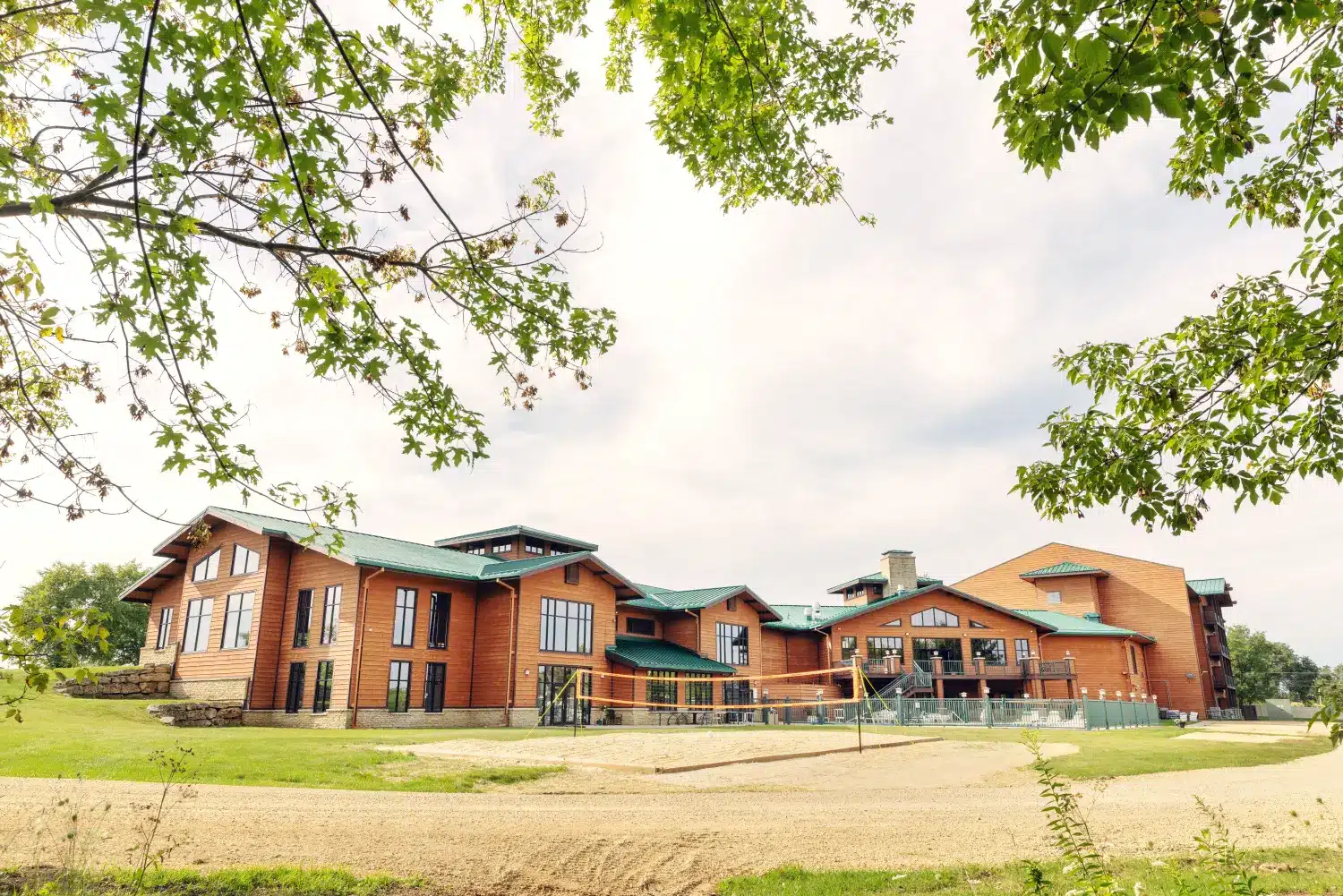
Mountain Springs Recovery - Monument, Colorado
GET HONEST & ACCURATE QUOTE
Bennett Drug & Addiction Rehab: Addiction Treatment Near Bennett
Upscale Colorado facility with medication assisted treatment and Non-12-Step program options
- Keep your phone and laptop
- Safe 24/7 monitored detox
- SMART options
- Dual diagnosis programs
- Long-term arrangements
- Thorough aftercare planning
- Located in Monument, CO
- Out of state options in CA, TX and IL
Check your coverage and get informed on admission process! Call us at:
 555-555-5555*
*HIPPA Compliant and 100% confidential
MAXIMIZE YOUR PPO COVERAGE WITH OUR HELP
We will work with insurance to get you the best possible coverage and minimize expenses.
Living in a smaller community can offer space, familiarity, and strong local connections. It can also make it harder to find comprehensive addiction treatment close to home. Bennett residents may have access to counseling, medical offices, peer support, or other behavioral health resources nearby, but a dedicated facility offering medical detoxification, residential care, and treatment for co-occurring mental health concerns may require travel.
Sunshine Behavioral Health helps individuals and families explore treatment based on clinical needs, not simply whichever program happens to be closest. For Bennett residents who need a structured setting, our Mountain Springs Recovery location in Monument provides an in-state option away from familiar routines and substance-related triggers.
Our admissions coordinators can confidentially discuss what is happening, answer questions, explain available services, and help determine whether Mountain Springs Recovery may be appropriate. We can also verify insurance benefits before you make a decision. Call Sunshine Behavioral Health today to speak with an admissions coordinator or begin a confidential insurance verification.
Finding Addiction Treatment Near Bennett, Colorado
Searching for “rehab near me” is often a useful first step, but distance should not be the only consideration. A nearby counselor or community clinic may provide valuable support while offering a very different level of care than a residential addiction treatment center.
Residential treatment gives clients a substance-free living environment, a structured schedule, clinical programming, peer support, and time away from everyday pressures. Medical detox adds monitoring and symptom management for people who may experience withdrawal. Outpatient care allows a person to live at home while attending scheduled services. None is automatically right for everyone.
An assessment can help identify the safest and most useful starting point. Factors to consider include:
- The substances used and how long use has continued
- How often and how much the person uses
- Possible withdrawal risks
- Previous efforts to stop or prior treatment experiences
- Co-occurring anxiety, depression, trauma, or other mental health symptoms
- The safety and stability of the home environment
- The amount of clinical structure the person needs
- Medical conditions and current medications
- Insurance coverage and financial considerations
The goal is not to place every person in the most intensive program. It is to match each individual with an appropriate level of support, which could include detox, residential treatment, outpatient services, or another resource.
When Is Professional Addiction Treatment Necessary?
You do not need to wait for a job loss, arrest, overdose, damaged relationship, or other crisis before asking for help. Substance use disorders can range from mild to severe, and early intervention may prevent consequences from becoming more serious.
Occasional or recreational use may have developed into a larger problem when substances begin to control decisions, routines, health, or relationships. Warning signs vary, but the following changes deserve attention.
Physical Warning Signs
- Needing more of a substance to experience the same effect
- Shaking, sweating, nausea, anxiety, insomnia, or other symptoms when use stops
- Changes in sleep, appetite, weight, coordination, or hygiene
- Frequent illness, injuries, blackouts, or unexplained health problems
- Needing alcohol or drugs to feel normal, avoid sickness, sleep, socialize, or function
Behavioral and Emotional Warning Signs
- Trying to cut down or stop without being able to sustain the change
- Using more often, for longer, or in larger amounts than intended
- Hiding substances, minimizing use, or lying about it
- Missing work, school, family obligations, or important appointments
- Losing interest in relationships, responsibilities, or activities that once mattered
- Becoming more isolated, irritable, anxious, depressed, or unpredictable
- Continuing to use despite health, legal, financial, or relationship consequences
- Spending substantial time obtaining, using, or recovering from a substance
Signs That Immediate Help May Be Needed
Call 911 when someone may be experiencing an overdose or another life-threatening emergency. Warning signs can include loss of consciousness, slow or stopped breathing, blue or gray lips, seizures, severe confusion, hallucinations, chest pain, or an inability to wake the person.
Threats of suicide or self-harm also require immediate attention. Call or text 988 to reach the 988 Colorado Mental Health Line, which provides free support 24 hours a day. Severe alcohol or benzodiazepine withdrawal can be dangerous and should not be managed alone.
Addictions Treated at a Colorado Rehabilitation Center
Substance use disorders can involve legal substances, illicit drugs, or prescribed medications. The effects and withdrawal risks differ, which is why an individualized clinical assessment matters.
Alcohol Addiction
Alcohol use disorder can involve repeated loss of control, drinking despite consequences, tolerance, cravings, and withdrawal. A person who has become physically dependent may experience tremors, agitation, sweating, nausea, insomnia, hallucinations, or seizures after reducing alcohol use. Because severe alcohol withdrawal can be life-threatening, medically supervised detox may be recommended before residential treatment.
Opioid Addiction
Opioid use disorder may involve heroin, fentanyl, or prescription pain medications such as oxycodone or hydrocodone. These substances can suppress breathing and create a high risk of fatal overdose, particularly when fentanyl is involved or opioids are combined with alcohol or sedatives.
Naloxone can temporarily reverse an opioid overdose. If an opioid overdose is suspected, call 911, administer naloxone when it is available, follow the dispatcher’s instructions, and remain with the person when it is safe. Naloxone is an emergency intervention, not a substitute for medical evaluation or ongoing addiction treatment.
Stimulant Addiction
Methamphetamine, cocaine, and prescription stimulants can affect sleep, appetite, mood, judgment, and cardiovascular health. Prolonged or heavy use may contribute to anxiety, paranoia, depression, agitation, or risky behavior. Treatment can address cravings, behavioral patterns, emotional symptoms, and the practical work of rebuilding healthy routines.
Benzodiazepine Addiction
Benzodiazepines such as Xanax, Ativan, Klonopin, and Valium are sometimes prescribed for anxiety, panic, seizures, or insomnia. Regular use can lead to physical dependence even when medication was initially taken as directed. Suddenly stopping may cause dangerous withdrawal symptoms, including seizures. Anyone concerned about benzodiazepine dependence should seek medical guidance rather than attempting an abrupt withdrawal alone.
Prescription Drug Addiction
Prescription opioids, sedatives, sleep medications, and stimulants can all be misused. A prescription does not eliminate the possibility of dependence or addiction. Warning signs may include taking higher doses, using someone else’s medication, seeking early refills, visiting multiple prescribers, or continuing to use after the medication is no longer medically needed.
Marijuana and Other Substance Use
Some people develop cannabis use disorder, marked by impaired control and continued use despite consequences. Treatment may also address hallucinogens, inhalants, synthetic substances, or polysubstance use. Combining drugs can make effects less predictable and increase the risks of overdose, injury, medical complications, and difficult withdrawal.
Why Bennett Residents May Consider Residential Treatment Away From Home
Leaving Bennett for treatment may initially feel inconvenient or intimidating. For some clients, that physical distance becomes a meaningful part of recovery. Potential benefits include:
- Separation from people, places, and routines associated with substance use
- Time to focus on health without ordinary work or household pressures
- Greater privacy away from a familiar community
- Access to a broader range of clinical programming
- A structured environment without access to alcohol or illicit substances
- Time to practice new routines before returning home
Travel is not an automatic solution, and distance alone does not determine treatment quality. It can, however, create breathing room during an especially vulnerable period. Sunshine Behavioral Health’s admissions team can explain arrival expectations and help clients and families think through transportation logistics.
Mountain Springs Recovery Near Bennett
Mountain Springs Recovery is Sunshine Behavioral Health’s drug and alcohol treatment center in Monument, Colorado, near Colorado Springs and the Rocky Mountains. It gives Bennett residents an opportunity to step away from their usual surroundings without leaving the state.
Depending on clinical appropriateness, care may include medical detoxification, residential treatment, dual diagnosis services, evidence-based therapies, complementary wellness approaches, and continuing-care planning. Individualized planning helps the clinical team address each client’s substance use, mental health, health history, strengths, and practical needs.
The restorative Colorado setting gives clients space to concentrate on recovery. Mountain Springs Recovery is also phone- and laptop-friendly. Clients may access approved devices within clinical and facility guidelines, helping many remain appropriately connected with loved ones and important responsibilities.
Call Sunshine Behavioral Health to request a confidential assessment, ask about Mountain Springs Recovery, or verify your insurance benefits.
Traveling From Bennett to Mountain Springs Recovery
Mountain Springs Recovery is approximately 85 miles from Bennett, with the drive commonly taking around 90 minutes under favorable conditions. A typical route travels west toward the Denver metro area on I-70, then uses E-470 and I-25 south toward Monument. Actual mileage and travel time vary with the starting point, traffic, construction, weather, and route selection, so check current navigation and road conditions before leaving.
Never allow a person who is intoxicated, impaired, medically unstable, or experiencing withdrawal to drive. A trusted adult should provide transportation, and serious symptoms require emergency medical care.
Before departing Bennett, coordinate the following with the admissions team:
- Admission date, arrival time, and check-in instructions
- Transportation arrangements
- Current prescriptions and medication instructions
- Identification and insurance information
- Approved clothing, toiletries, and personal belongings
- Current phone and laptop policies
- Medical, dietary, mobility, or accessibility needs
Paying for Addiction Treatment
The cost of addiction treatment varies according to the level of care, anticipated length of treatment, clinical needs, insurance benefits, deductible, copays, coinsurance, medical-necessity requirements, and whether the provider is in network.
Do not assume treatment is unaffordable before checking your coverage. Sunshine Behavioral Health can verify benefits and help explain the information provided by your insurer. Verification does not obligate you to enroll, does not guarantee payment, and is not a final determination of coverage.
Clients without applicable insurance may ask about private payment. An admissions coordinator can discuss financial questions based on your circumstances.
How the Admissions Process Works
Asking for help can feel like a major step. Our admissions process is designed to give you information and determine whether the program can safely meet your needs.
Speak With an Admissions Coordinator
The first conversation is an opportunity to explain current concerns, describe substance use, and ask questions confidentially. The coordinator can review available levels of care and explain what may happen next.
Complete a Preliminary Assessment
Be prepared to discuss substance use history, current withdrawal symptoms, physical health, mental health, medications, previous treatment, and immediate safety concerns. Honest information helps the team make a safer recommendation.
Verify Insurance or Discuss Payment
The admissions team can review available benefits, help identify potential out-of-pocket responsibilities, and discuss financial questions before admission. Actual coverage remains subject to the health plan’s rules and authorization decisions.
Confirm the Appropriate Level of Care
Admission depends on clinical appropriateness and the facility’s ability to meet the person’s needs safely. If Mountain Springs Recovery is not the right setting, the team may discuss another resource or level of care.
Plan Admission and Transportation
Once admission is approved, the team will confirm arrival instructions, review what to bring, discuss transportation from Bennett, and help the client prepare for the first day.
Continuing Recovery After Returning to Bennett
Discharge is a transition, not the end of recovery. Returning to familiar responsibilities and triggers can test new skills, making a written continuing-care plan especially important.
Depending on individual needs, the plan may include:
- Outpatient counseling or a step-down program
- Primary care and psychiatric follow-up
- Medication management
- Recovery meetings and peer support
- Sober living when appropriate
- Family education or counseling
- Alumni programming and recovery check-ins
- A plan for managing specific triggers in Bennett
- Clear steps to take if substance use recurs
Continuing care can connect the work completed in residential treatment with daily life at home. The strongest plan is realistic, specific, and arranged before discharge whenever possible.
How Loved Ones Can Help Someone Seek Treatment
You cannot force another person to feel ready, but you can make it easier for them to consider help.
- Choose a calm, private time when the person is not intoxicated.
- Describe specific behaviors and consequences you have observed.
- Express concern without shaming, labeling, or making sweeping accusations.
- Listen to fears about withdrawal, cost, work, family, or treatment.
- Avoid arguing with someone who is impaired.
- Set boundaries that protect your safety and well-being.
- Offer to call Sunshine Behavioral Health together or help verify insurance.
- Expect that the person may not accept help during the first conversation.
A professionally guided intervention may be worth considering when repeated conversations have not led to change, consequences are escalating, or the family needs help presenting consistent boundaries. Intervention is not an emergency service; call 911 or 988 when immediate safety is at risk.
Begin Addiction Treatment Near Bennett, Colorado
Addiction is treatable, and help is available before circumstances become worse. For Bennett residents who need a structured environment, Mountain Springs Recovery offers the opportunity to step away from daily triggers and engage in individualized addiction and dual diagnosis care in Monument.
Contact Sunshine Behavioral Health for a confidential conversation with an admissions coordinator. We can help you:
- Discuss current concerns and request an assessment
- Verify insurance benefits
- Learn more about Mountain Springs Recovery
- Understand possible next steps for treatment and travel
Speaking with our team does not guarantee admission, insurance payment, a particular outcome, or permanent sobriety. It does give you a chance to ask informed questions and begin identifying an appropriate path forward.
Frequently Asked Questions About Bennett Addiction Rehab
Is There a Drug and Alcohol Rehab in Bennett, Colorado?
Bennett and surrounding communities may have counseling, medical, peer-support, and behavioral health resources. Residents who need medical detox or comprehensive residential care may need to travel to another Colorado community. Mountain Springs Recovery in Monument is one in-state option Sunshine Behavioral Health may recommend following an assessment.
How Far Is Mountain Springs Recovery From Bennett?
Mountain Springs Recovery is approximately 85 miles from Bennett and typically about a 90-minute drive in favorable conditions. Traffic, construction, weather, the precise starting point, and route selection can substantially change the trip. Confirm current directions before departure.
Can I Go Directly From Bennett to Residential Rehab?
Possibly, but placement begins with an assessment. Some clients can enter residential treatment directly, while others need medical detoxification, emergency care, or another form of stabilization first. The admissions team will ask about recent use, withdrawal symptoms, health conditions, and safety concerns.
Do I Need Detox Before Entering Rehab?
That depends on the substances used, dose, frequency, duration, medical history, previous withdrawal experiences, and current symptoms. Do not abruptly stop alcohol, benzodiazepines, or other substances that can produce dangerous withdrawal without medical guidance.
How Long Does Addiction Treatment Last?
Some programs are discussed in 30-, 60-, or 90-day frameworks, but treatment length should not be treated as a preset promise. The appropriate duration depends on clinical needs, progress, insurance authorization, and discharge planning.
Can I Keep My Phone or Laptop During Treatment?
Mountain Springs Recovery is phone- and laptop-friendly. Device access remains subject to clinical recommendations, scheduled programming, privacy requirements, and current facility guidelines.
Does Mountain Springs Recovery Treat Mental Health Conditions?
Mountain Springs Recovery offers dual diagnosis care for qualifying clients who experience both a substance use disorder and co-occurring mental health concerns. The admissions and clinical teams must determine whether the facility can safely and appropriately meet each person’s needs.
Does Insurance Cover Rehab for Bennett Residents?
Many health plans include behavioral health and substance-use treatment benefits, but actual coverage varies by plan, network status, medical necessity, authorization requirements, deductible, copays, and coinsurance. Sunshine Behavioral Health offers confidential benefit verification so you can learn more before deciding whether to enroll.
Can My Family Visit or Participate in Treatment?
Family participation may be possible when the client consents and the clinical team considers it appropriate. Visits, calls, education, or family sessions depend on treatment needs, scheduling, and current facility policies.
What Happens After I Leave Residential Treatment?
Before discharge, the team can help develop a continuing-care plan. Recommendations may include outpatient therapy, medication management, psychiatric care, recovery meetings, peer support, sober living, alumni resources, and individualized relapse-prevention strategies.
What Should I Do If Someone Is Overdosing?
Call 911 immediately. If an opioid overdose is suspected and naloxone is available, administer it, follow the dispatcher’s instructions, and stay with the person when safe. A person who wakes after naloxone still needs emergency medical attention because its effects can wear off while opioids remain in the body.
Medical disclaimer:
Sunshine Behavioral Health strives to help people who are facing substance abuse, addiction, mental health disorders, or a combination of these conditions. It does this by providing compassionate care and evidence-based content that addresses health, treatment, and recovery.
Licensed medical professionals review material we publish on our site. The material is not a substitute for qualified medical diagnoses, treatment, or advice. It should not be used to replace the suggestions of your personal physician or other health care professionals.