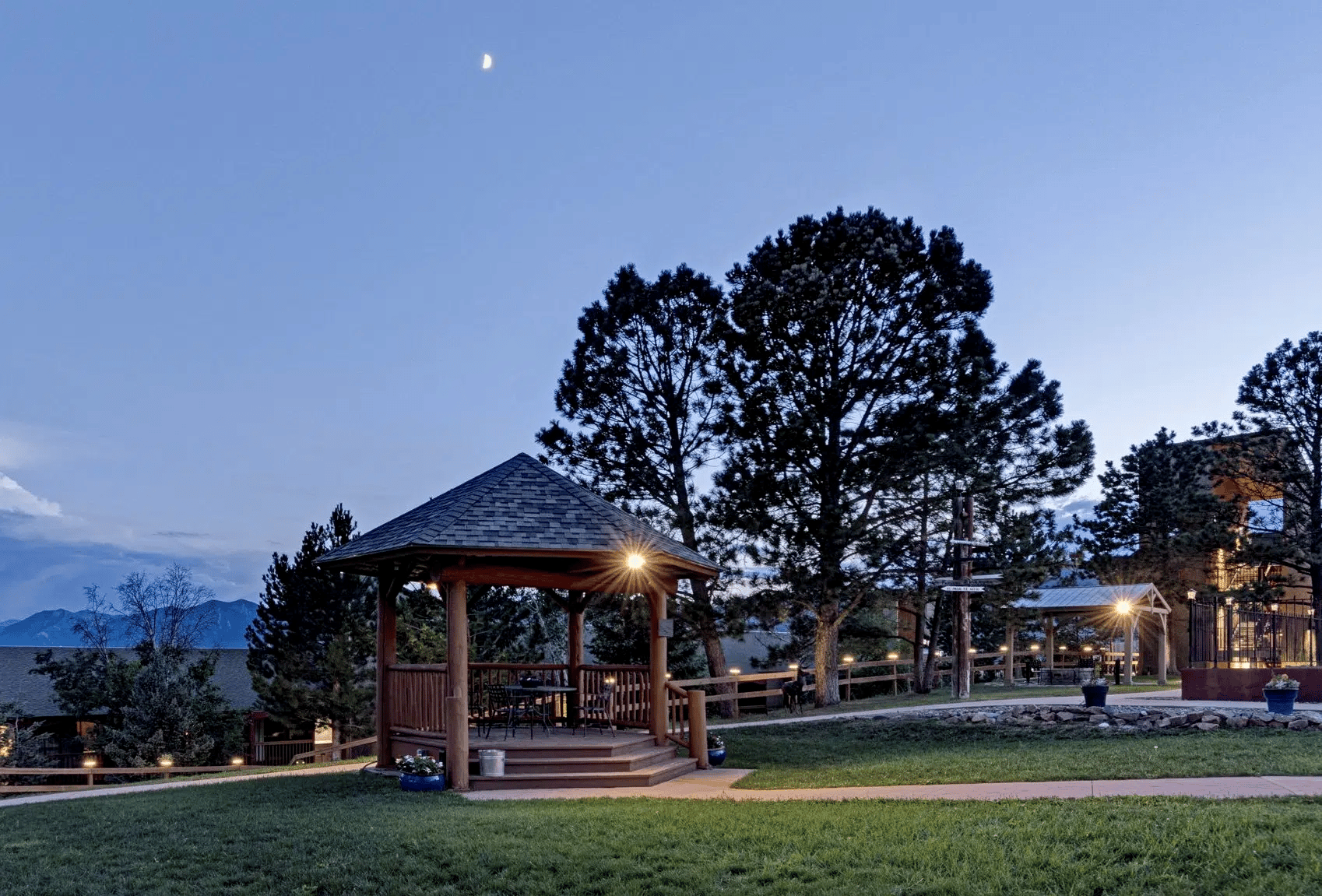
Mountain Springs Recovery - Monument, Colorado
GET HONEST & ACCURATE QUOTE
Broomfield Drug & Alcohol Rehab: Addiction Treatment Near Broomfield
Upscale Colorado facility with medication assisted treatment and Non-12-Step program options
- Keep your phone and laptop
- Safe 24/7 monitored detox
- SMART options
- Dual diagnosis programs
- Long-term arrangements
- Thorough aftercare planning
- Located in Monument, CO
- Out of state options in CA, TX and IL
Check your coverage and get informed on admission process! Call us at:
 555-555-5555*
*HIPPA Compliant and 100% confidential
MAXIMIZE YOUR PPO COVERAGE WITH OUR HELP
We will work with insurance to get you the best possible coverage and minimize expenses.
Finding the right addiction treatment program can be an important first step toward overcoming substance use and building a healthier future. If you or someone you love is struggling with alcohol, prescription medications, or illicit drugs in Broomfield, Colorado, professional treatment can provide the structure, guidance, and support needed to begin recovery.
At Sunshine Behavioral Health, we help individuals and families find personalized addiction treatment that addresses more than substance use alone. Our approach recognizes that addiction can affect physical health, emotional well-being, relationships, and nearly every aspect of daily life.
For Broomfield residents seeking residential drug and alcohol rehab, our Mountain Springs Recovery facility in Monument, Colorado, offers an opportunity to receive treatment away from familiar environments while remaining within the state.
Whether you’re considering medical detox, inpatient addiction treatment, or support for a co-occurring mental health condition, Sunshine Behavioral Health can help you explore your options and determine an appropriate next step.
Finding Drug and Alcohol Addiction Treatment Near Broomfield
Broomfield sits along Colorado’s Front Range between Denver and Boulder, providing residents with access to employment centers, neighborhoods, parks, and outdoor recreation. However, living in a community with these opportunities does not make someone immune to substance use disorders.
Alcohol and drug addiction can affect individuals of all ages, backgrounds, and circumstances. Some people develop dependencies after taking prescription medications for legitimate medical reasons. Others begin using substances recreationally before gradually losing control over how frequently or how much they consume.
For residents of Broomfield, including those living near Interlocken, Broadlands, Anthem, and the surrounding communities, finding the right treatment program may involve looking beyond the immediate area.
Although outpatient services may be appropriate for some individuals, others benefit from a residential treatment environment that provides consistent support and separation from everyday triggers.
Sunshine Behavioral Health helps individuals explore addiction treatment options based on their substance use history, medical needs, mental health concerns, and personal recovery goals.
How Do You Know When It Is Time to Seek Addiction Treatment?
Recognizing that substance use has become a problem isn’t always straightforward. Addiction frequently develops gradually, and people may continue meeting work, family, or social responsibilities even as their substance use becomes increasingly difficult to control.
Some common warning signs that professional addiction treatment may be necessary include:
- Using alcohol or drugs more frequently or in larger amounts than intended.
- Experiencing unsuccessful attempts to reduce or stop substance use.
- Spending significant time obtaining, using, or recovering from substances.
- Developing cravings or feeling unable to function normally without drugs or alcohol.
- Neglecting responsibilities at work, school, or home.
- Continuing substance use despite relationship, financial, or health problems.
- Losing interest in hobbies and activities that were previously enjoyable.
- Engaging in risky behaviors while under the influence.
- Experiencing withdrawal symptoms when substance use decreases.
- Needing increasingly larger amounts of a substance to achieve the same effects.
Not everyone who needs treatment experiences all these symptoms. Even when substance use hasn’t caused a major crisis, seeking help early can prevent additional complications.
At Sunshine Behavioral Health, we encourage individuals to consider professional support whenever substance use begins interfering with their health, safety, relationships, or quality of life.
Signs That Someone May Need Medical Detox
Medical detoxification may be recommended when someone has developed physical dependence on alcohol, benzodiazepines, opioids, or certain other substances.
Withdrawal symptoms vary depending on the substance involved, the duration of use, and an individual’s medical history.
Potential signs of withdrawal include nausea, sweating, shaking, anxiety, insomnia, elevated heart rate, muscle aches, and intense cravings. In some cases, withdrawal can lead to serious complications, including seizures, hallucinations, or severe confusion.
Alcohol and benzodiazepine withdrawal can be life-threatening, making medical supervision especially important for individuals with significant physical dependence.
Sunshine Behavioral Health can help determine whether a medically supervised detox program is an appropriate first step before residential addiction treatment.
Drug and Alcohol Addictions We Treat
Substance use disorders can involve many different drugs, each with distinct effects, withdrawal symptoms, and treatment considerations.
Sunshine Behavioral Health emphasizes individualized treatment rather than assuming that every person struggling with addiction requires the same approach.
Alcohol Addiction
Alcohol is widely available and socially accepted, which can make problematic drinking difficult to recognize. However, alcohol use disorder can lead to serious physical, psychological, and social consequences.
Individuals struggling with alcohol addiction may experience increased tolerance, frequent cravings, unsuccessful attempts to stop drinking, or withdrawal symptoms when they reduce their alcohol consumption.
Treatment may involve medical detox, individual counseling, group therapy, relapse-prevention planning, and medications when clinically appropriate.
Opioid Addiction
Opioid addiction can develop through the misuse of prescription pain medications or the use of illicit substances such as heroin and fentanyl.
Opioids can produce powerful physical dependence and carry a significant risk of overdose.
Sunshine Behavioral Health supports treatment approaches that address withdrawal symptoms, cravings, behavioral patterns, and the emotional factors contributing to opioid use.
Medication-assisted treatment may also be considered as part of an individualized recovery plan.
Benzodiazepine Addiction
Benzodiazepines such as Xanax, Valium, and Klonopin are commonly prescribed for anxiety, panic disorders, and certain other medical conditions.
Although these medications have legitimate uses, prolonged use can sometimes lead to physical dependence.
Suddenly discontinuing benzodiazepines can cause dangerous withdrawal symptoms. Individuals with significant dependence generally require a medically supervised withdrawal plan rather than attempting to stop on their own.
Cocaine Addiction
Cocaine is a stimulant that can produce intense but short-lived feelings of energy, alertness, and euphoria.
Repeated cocaine use can contribute to compulsive drug-seeking behaviors, sleep disturbances, mood changes, and cardiovascular complications.
Treatment often focuses on identifying triggers, managing cravings, developing healthier coping strategies, and addressing any underlying mental health concerns.
Methamphetamine Addiction
Methamphetamine is a powerful stimulant that can significantly affect the brain’s reward system.
Long-term use may contribute to anxiety, paranoia, sleep problems, cognitive difficulties, and changes in emotional regulation.
Behavioral therapies, structured routines, and ongoing recovery support can help individuals address the psychological and behavioral effects of methamphetamine addiction.
Prescription Drug Addiction
Prescription medications can become problematic when used in ways other than prescribed or when physical dependence and compulsive use develop.
Commonly misused prescription medications include opioid painkillers, sedatives, and prescription stimulants.
Treatment depends on the medication involved, the individual’s health, and whether withdrawal management is necessary.
Marijuana Addiction
Although marijuana is legal for adult recreational use in Colorado, some individuals develop cannabis use disorder.
Warning signs may include difficulty reducing use, persistent cravings, withdrawal-related irritability or sleep disturbances, and continued use despite negative consequences.
Behavioral therapy can help individuals understand their relationship with marijuana and develop strategies for reducing or stopping problematic use.
Polysubstance Use
Some individuals use multiple substances simultaneously or alternate between different drugs.
For example, someone may combine alcohol with prescription sedatives or use stimulants alongside opioids.
Polysubstance use can complicate withdrawal management and increase the risk of overdose or other medical emergencies.
Sunshine Behavioral Health recognizes the importance of evaluating all substances involved when developing an appropriate treatment plan.
Personalized Addiction Treatment at Sunshine Behavioral Health
There is no single addiction treatment program that works for everyone. Two individuals struggling with the same substance may have very different medical histories, mental health needs, personal circumstances, and recovery goals.
At Sunshine Behavioral Health, we believe effective treatment begins with understanding the individual behind the addiction.
Our Mountain Springs Recovery facility in Monument serves Colorado residents, including individuals traveling from Broomfield and other Front Range communities.
Residential treatment provides an opportunity to step away from everyday pressures and focus on recovery in a structured environment.
Depending on clinical needs and program availability, treatment may incorporate medical withdrawal management, individual counseling, group therapy, dual-diagnosis services, evidence-based behavioral therapies, and continuing-care planning.
The objective is not simply to help individuals stop using substances during treatment. It is also to help them develop practical skills, healthier habits, and a sustainable plan for life after rehab.
What Happens During Addiction Treatment?
Entering rehab can feel intimidating, particularly for individuals who have never participated in professional addiction treatment.
Understanding what to expect can make the process feel more manageable.
Comprehensive Assessment
Treatment typically begins with an assessment of the individual’s substance use history, physical health, mental health symptoms, previous treatment experiences, and personal circumstances.
This information helps clinicians identify immediate medical concerns and determine the appropriate level of care.
Individualized Treatment Planning
Following the initial assessment, the treatment team develops a plan based on the individual’s specific needs.
The plan may address substance use, mental health symptoms, coping skills, relationship challenges, and long-term recovery goals.
Treatment plans can be adjusted as individuals progress through recovery.
Individual Therapy
One-on-one counseling provides a confidential environment for exploring personal experiences and behavioral patterns associated with addiction.
Therapy may address stress, grief, trauma, emotional regulation, self-esteem, and other concerns that contribute to substance use.
Group Therapy
Group therapy allows individuals to connect with others who understand the challenges of addiction.
These sessions may focus on communication, accountability, coping strategies, relapse prevention, and building healthy relationships.
Participating in a supportive group can also help reduce feelings of isolation.
Family Support and Education
Addiction often affects spouses, partners, parents, children, and other loved ones.
When appropriate and available, family-focused services can help improve communication, establish healthier boundaries, and educate loved ones about addiction and recovery.
Life-Skills and Relapse-Prevention Training
Recovery involves learning how to manage everyday challenges without relying on substances.
Treatment may help individuals recognize high-risk situations, respond to cravings, manage stress, establish routines, and develop a support network.
These skills become especially important when transitioning from residential treatment back into everyday life.
Evidence-Based Therapies Used in Addiction Treatment
Effective addiction treatment often involves a combination of therapeutic approaches designed to address substance use, emotional health, and behavioral patterns.
Sunshine Behavioral Health incorporates established treatment methods alongside supportive activities that encourage physical and emotional well-being.
Cognitive Behavioral Therapy (CBT)
Cognitive behavioral therapy helps individuals identify and change unhelpful thoughts and behaviors that contribute to substance use.
For example, someone who regularly drinks alcohol to cope with work-related stress may learn to recognize the connection between stressful situations, negative thinking patterns, and the urge to drink.
CBT can help individuals develop alternative responses to these situations, reducing their reliance on substances as a coping mechanism.
Dialectical Behavior Therapy (DBT)
Dialectical behavior therapy emphasizes emotional regulation, distress tolerance, mindfulness, and interpersonal effectiveness.
These skills can be particularly valuable for individuals who struggle with intense emotions, impulsive behaviors, or difficulties maintaining healthy relationships.
DBT-informed techniques may help individuals respond to stressful situations without turning to drugs or alcohol.
Motivational Interviewing
Not everyone entering addiction treatment feels completely confident about making major lifestyle changes.
Motivational interviewing is a collaborative counseling approach that helps individuals explore their reasons for change, resolve uncertainty, and strengthen their motivation for recovery.
Rather than relying on confrontation, this approach encourages people to identify goals that are personally meaningful.
Trauma-Informed Care
Some individuals struggling with addiction have experienced traumatic events that continue to affect their emotional well-being.
Trauma-informed treatment recognizes the potential relationship between past experiences and current substance use.
This approach emphasizes emotional safety, trust, collaboration, and sensitivity to individual experiences.
When clinically appropriate, treatment may also incorporate therapies that address trauma-related symptoms.
Holistic and Experiential Therapies
Recovery involves more than changing substance use behaviors. Improving physical health, rebuilding confidence, and developing enjoyable sober activities can also contribute to long-term well-being.
Depending on the program, holistic and experiential activities may include yoga, mindfulness exercises, meditation, fitness, outdoor recreation, and creative activities.
These services complement clinical treatment rather than replace evidence-based addiction therapies.
Dual-Diagnosis Treatment Near Broomfield
Substance use disorders frequently occur alongside mental health conditions. This is known as a co-occurring disorder or dual diagnosis.
For example, someone experiencing persistent anxiety may use alcohol to temporarily reduce uncomfortable feelings. Over time, drinking may worsen their anxiety and contribute to alcohol dependence.
Similarly, individuals experiencing depression, trauma-related symptoms, or other mental health challenges may use substances in an attempt to manage emotional distress.
Common co-occurring conditions include:
- Anxiety disorders
- Depression
- Post-traumatic stress disorder (PTSD)
- Bipolar disorder
- Panic disorder
- Other mental health conditions
Treating substance use without addressing significant mental health symptoms can leave important recovery needs unmet.
Sunshine Behavioral Health offers dual-diagnosis treatment options at our Colorado facility, allowing individuals to receive coordinated support for addiction and co-occurring mental health concerns.
Treatment may include individual counseling, psychiatric evaluation, medication management when appropriate, and behavioral therapies that address both conditions.
Our goal is to help individuals understand how their mental health and substance use interact while developing strategies to manage both.
Medication-Assisted Treatment for Drug and Alcohol Addiction
Medication-assisted treatment (MAT), often referred to as medications for addiction treatment, combines appropriate medications with counseling and other recovery services.
These medications may help reduce cravings, manage withdrawal symptoms, or support recovery from certain substance use disorders.
For opioid use disorder, medications such as buprenorphine, methadone, and naltrexone may be considered depending on the individual’s circumstances and the prescribing provider.
For alcohol use disorder, medications such as naltrexone, acamprosate, and disulfiram may be appropriate for certain individuals.
Not every medication is appropriate for every patient, and not every medication is available at every treatment facility.
Sunshine Behavioral Health recognizes the value of medication-based approaches when supported by a comprehensive clinical assessment. Our treatment team can discuss which medication options are available and clinically appropriate.
12-Step and Non-12-Step Addiction Recovery Options
People enter addiction treatment with different beliefs, preferences, and experiences.
Some individuals appreciate the community support and structured principles of traditional 12-Step recovery programs. Others prefer a secular, skills-based approach.
Sunshine Behavioral Health recognizes that recovery is not one-size-fits-all.
12-Step Recovery Programs
Traditional 12-Step programs, such as Alcoholics Anonymous and Narcotics Anonymous, emphasize peer support, accountability, personal reflection, and ongoing participation in recovery communities.
These programs can provide a framework for maintaining sobriety after completing residential treatment.
For some individuals, the shared experiences and community connections developed through 12-Step participation become important sources of long-term support.
Non-12-Step and SMART Recovery Options
Not everyone connects with the spiritual or philosophical elements of traditional 12-Step programs.
Non-12-Step approaches may emphasize self-management, personal responsibility, cognitive behavioral strategies, and practical tools for changing addictive behaviors.
SMART Recovery, for example, focuses on building motivation, managing urges, addressing unhelpful thinking, and creating a balanced lifestyle.
Our Colorado facility offers SMART Recovery and other non-12-Step options, allowing clients to explore approaches that align with their recovery preferences.
What Does a Typical Day in Residential Rehab Look Like?
One of the benefits of residential addiction treatment is the opportunity to establish a consistent daily routine.
While schedules vary depending on clinical needs, a typical day may involve a combination of therapy, educational programming, meals, recreational activities, and personal time.
A residential treatment schedule might include:
|
Time |
Example activity |
|
7:00 AM |
Wake up and morning routine |
|
8:00 AM |
Breakfast |
|
9:00 AM |
Group therapy |
|
10:30 AM |
Individual counseling or educational programming |
|
12:00 PM |
Lunch |
|
1:00 PM |
Relapse-prevention or life-skills group |
|
3:00 PM |
Fitness, recreation, or holistic activities |
|
5:30 PM |
Dinner |
|
7:00 PM |
Recovery meeting or reflection |
|
9:00 PM |
Personal time and evening routine |
This is an illustrative schedule, not a guaranteed daily itinerary at Mountain Springs Recovery. Actual programming varies by treatment plan.
Structured routines can help individuals rebuild healthy habits that may have been disrupted by substance use.
Consistent meals, adequate sleep, physical activity, and regular therapeutic engagement also provide opportunities to practice behaviors that support recovery after treatment.
Why Consider Residential Rehab Outside Broomfield?
For some people, remaining close to home during addiction treatment is important. Others benefit from temporarily leaving their everyday environment.
Sunshine Behavioral Health offers Broomfield residents the opportunity to receive treatment at our Monument facility without traveling to another state.
Create Distance From Familiar Triggers
Substance use often becomes connected to specific places, people, activities, and routines.
Someone living in Broomfield may associate drinking or drug use with certain social gatherings, neighborhoods, or stressful situations.
Temporarily stepping away from these environments can reduce exposure to familiar triggers during early recovery.
Although changing locations does not eliminate cravings or underlying challenges, it may provide space to develop healthier responses.
Focus on Recovery Without Everyday Distractions
Broomfield residents often balance responsibilities throughout the Denver–Boulder corridor, including commuting, employment, childcare, and household obligations.
For someone struggling with addiction, these demands can make it difficult to prioritize treatment.
Residential rehab provides a structured setting where recovery becomes the primary focus.
Instead of navigating work schedules and everyday pressures while attending appointments, individuals can participate in a more concentrated treatment experience.
Receive Support in a Structured Environment
Residential treatment provides access to staff, therapeutic programming, and a community of people working toward similar goals.
This structure can be particularly valuable for individuals who have repeatedly attempted to stop using substances without lasting success.
Remain Within Colorado
Traveling for addiction treatment does not necessarily mean leaving the state.
Our Monument facility allows Broomfield residents to receive care in a different environment while remaining within Colorado.
This may make it more practical for loved ones to participate in approved family programming or coordinate transportation and discharge arrangements.
Addiction Treatment at Our Mountain Springs Recovery Facility
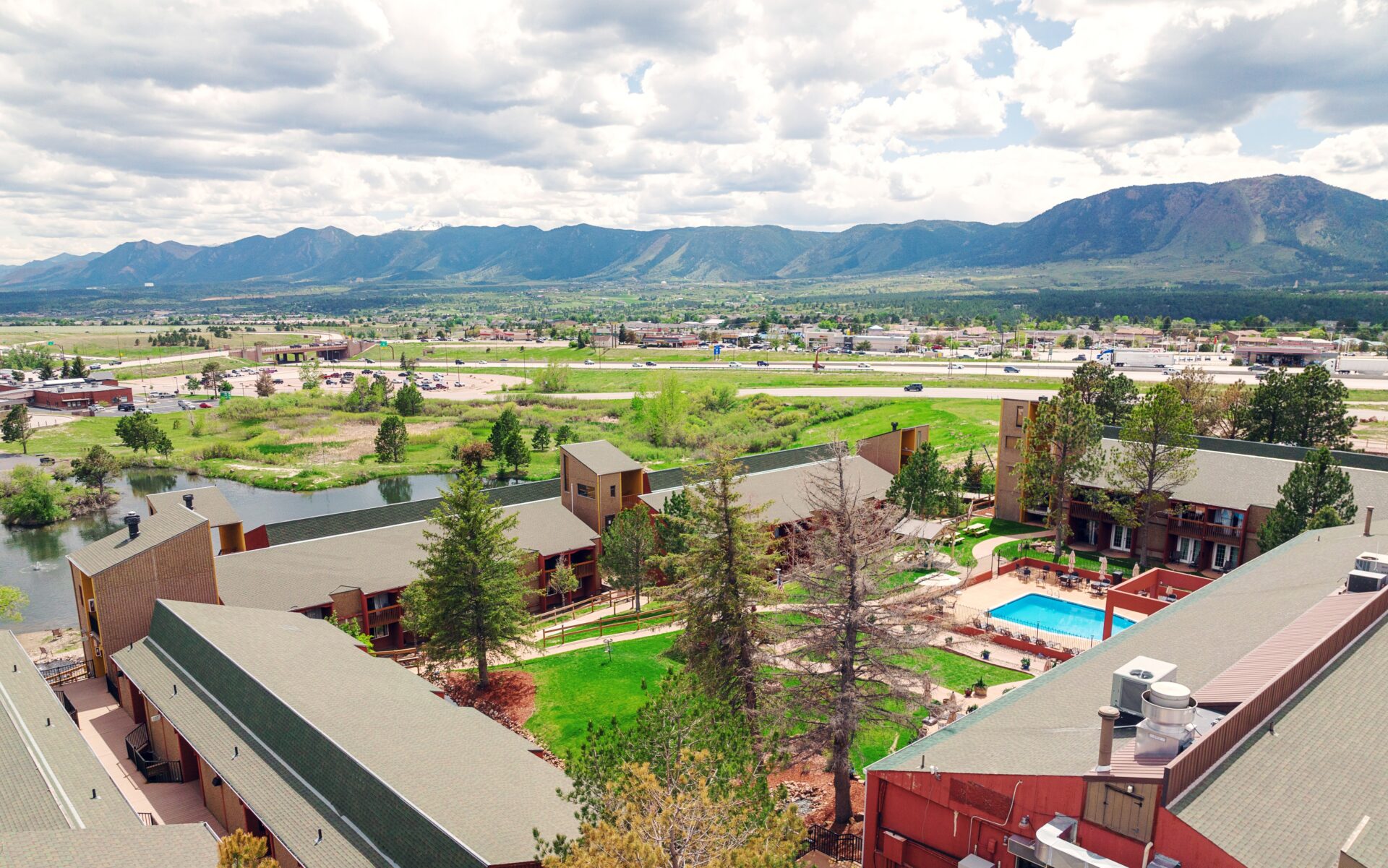
Sunshine Behavioral Health’s Colorado treatment facility, Mountain Springs Recovery, is located at 1865 Woodmoor Drive in Monument, Colorado.
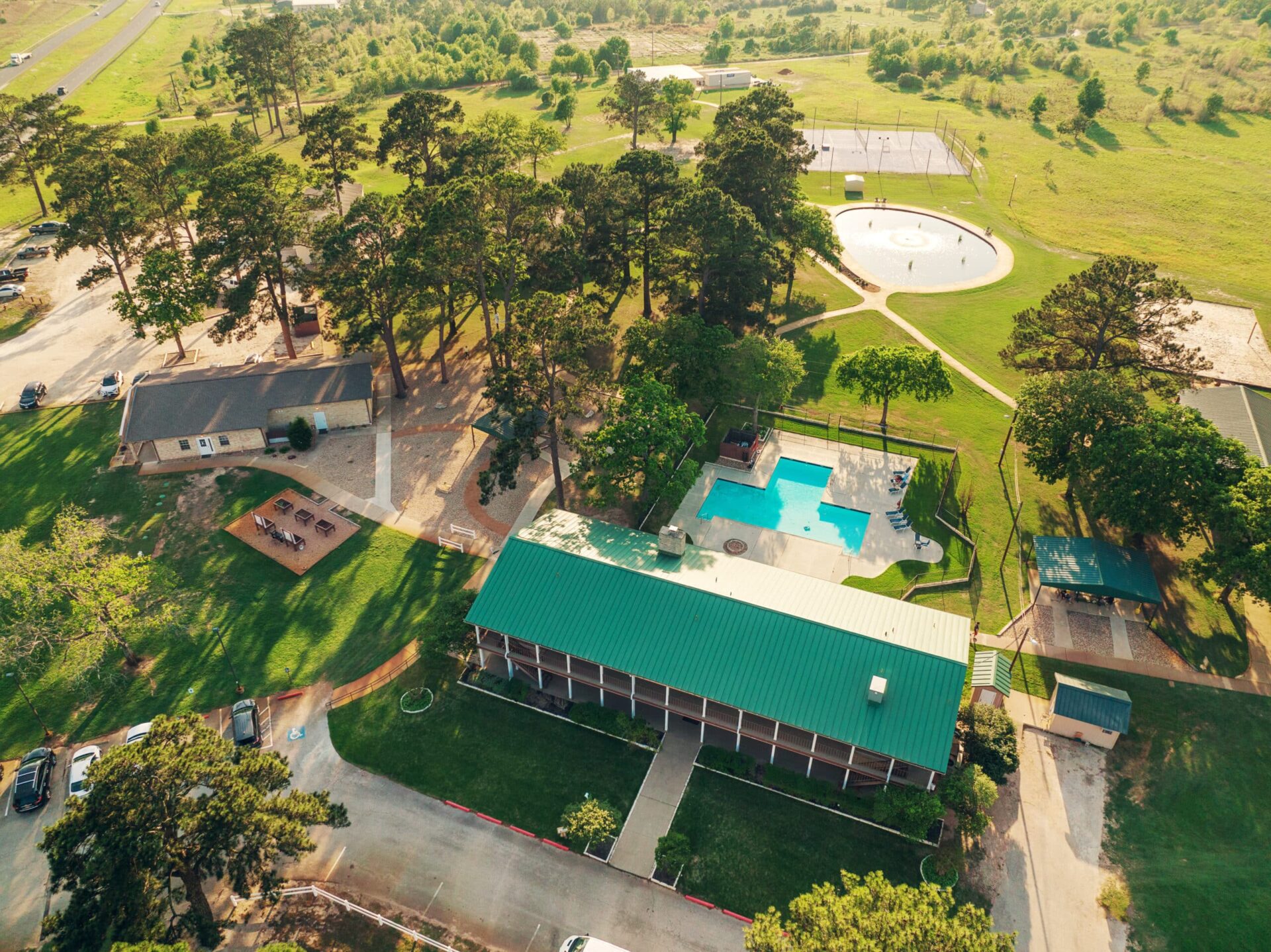
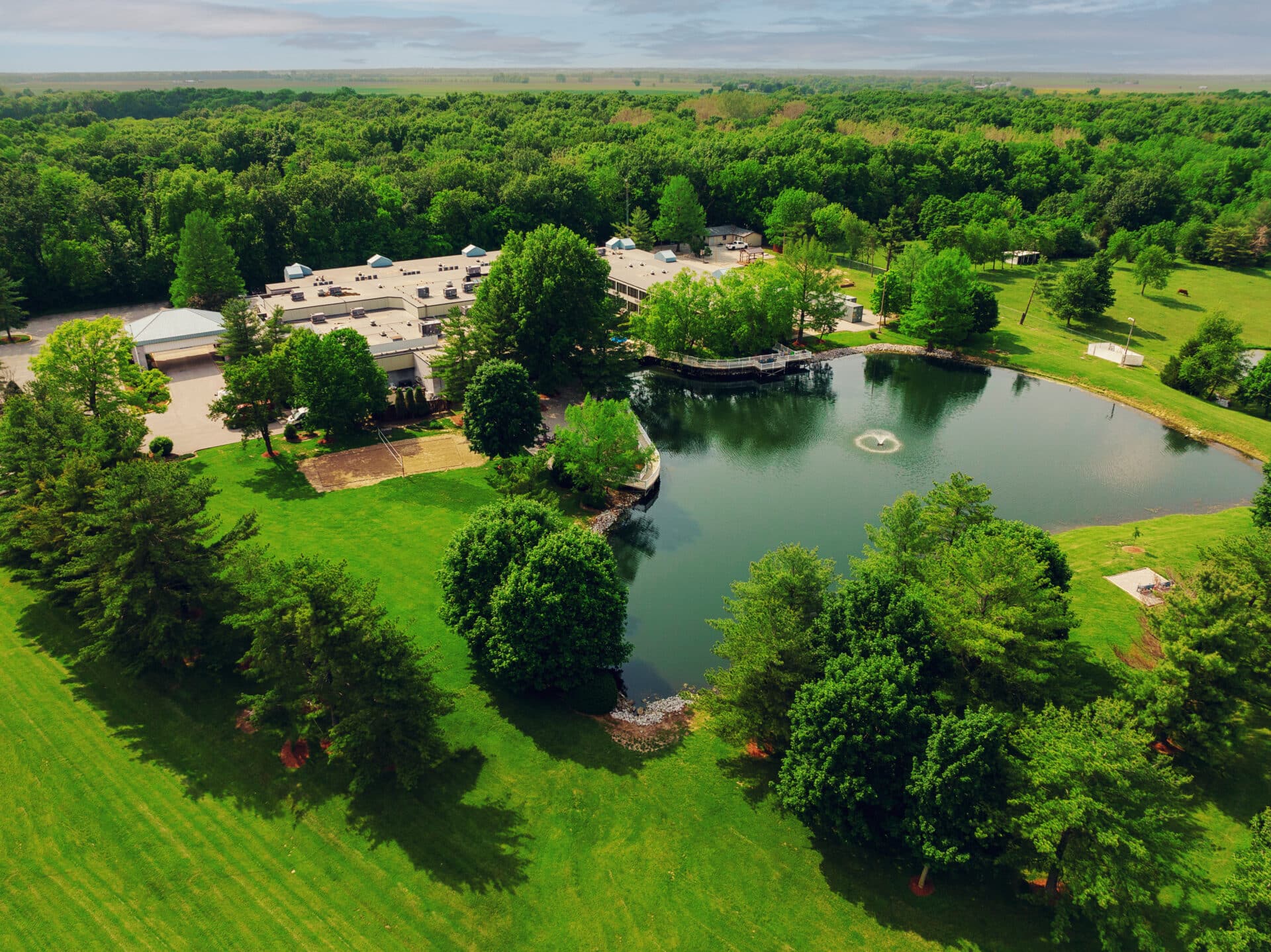
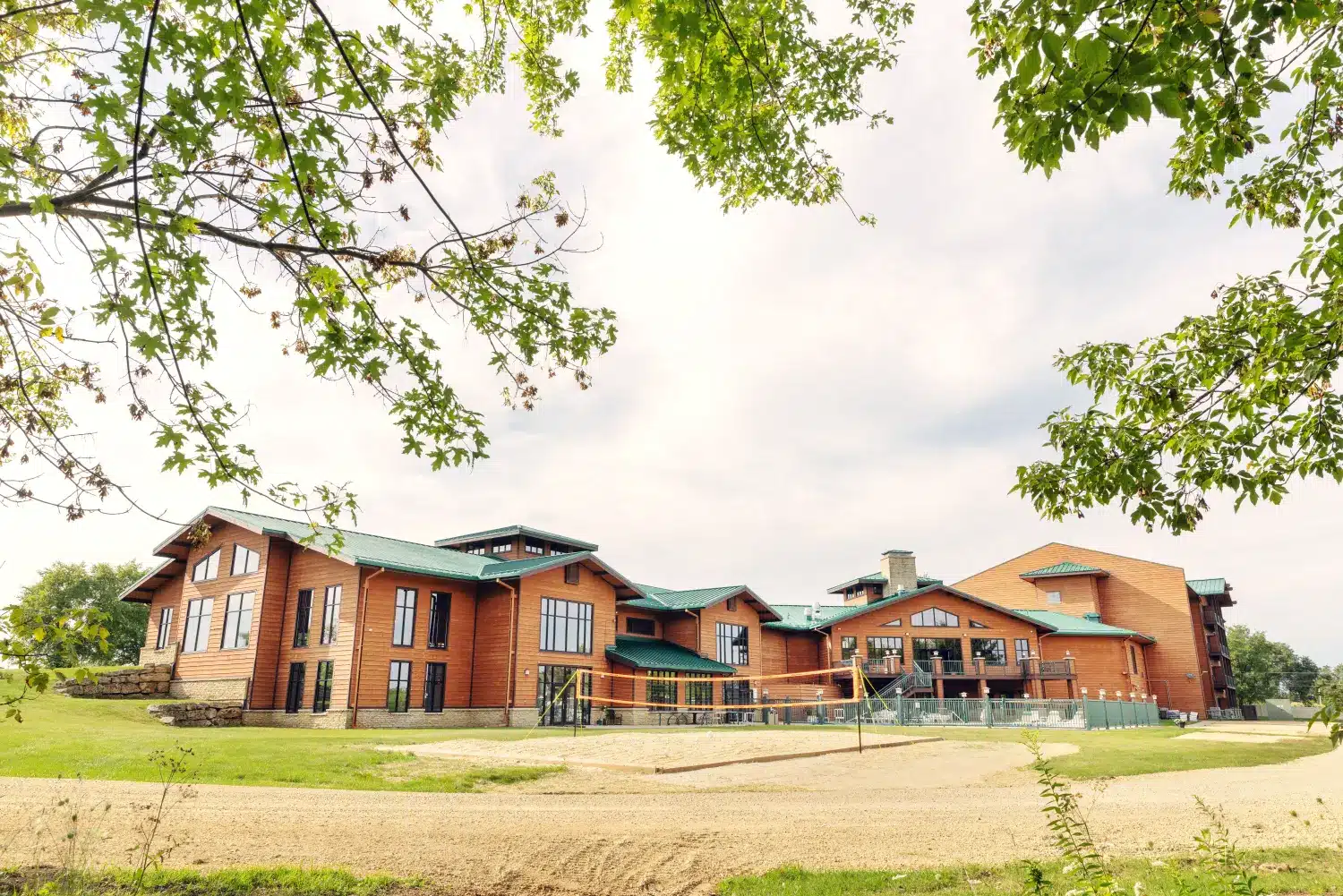
The facility provides a comfortable residential setting along the Front Range, with access to outdoor spaces and amenities intended to support the treatment experience.
Features and services include medically monitored detox, residential addiction treatment, individualized therapy, dual-diagnosis programming, fitness facilities, recreational activities, chef-prepared meals, and aftercare planning.
Clients may also retain access to phones and laptops in accordance with facility guidelines, helping them maintain appropriate connections with loved ones and outside responsibilities.
At Sunshine Behavioral Health, we believe that a supportive treatment environment should encourage people to participate actively in their recovery.
Our objective is to combine clinical care with opportunities to establish healthy routines, develop supportive relationships, and discover fulfilling activities that do not involve substance use.
Traveling From Broomfield to Our Colorado Rehab Facility
Broomfield residents considering treatment at our Monument facility can generally travel south through the Denver metropolitan area using Interstate 25.
The journey typically involves traveling from Broomfield toward Denver, continuing south past Castle Rock, and exiting near Monument.
Actual travel time depends on your starting location, traffic conditions, weather, and road construction.
Because the route passes through the Denver metro area and the I-25 corridor between Castle Rock and Monument, allowing extra travel time during busy periods or winter weather is advisable.
Before admission, Sunshine Behavioral Health can help you discuss arrival arrangements, what to bring, and any transportation assistance that may be available.
How Much Does Drug and Alcohol Rehab Cost Near Broomfield?
The cost of addiction treatment varies depending on the level of care, length of stay, insurance coverage, and specific services provided.
Medical detox and residential treatment generally involve different costs than outpatient counseling because of the level of staffing, supervision, and services required.
Factors that may affect the total cost include:
- Whether medical detox is necessary.
- The recommended duration of residential treatment.
- Insurance network participation.
- Deductibles, copayments, and coinsurance.
- Coverage limitations or authorization requirements.
- Additional medical or psychiatric services.
Sunshine Behavioral Health works with individuals to review insurance benefits and better understand potential treatment expenses.
Does Health Insurance Cover Addiction Treatment?
Many private health insurance plans provide coverage for medically necessary substance use disorder treatment.
However, coverage varies considerably between policies.
A plan may cover certain levels of care while requiring prior authorization, utilization review, or specific clinical criteria for others.
Before admission, our team can help verify your benefits and explain available payment options.
We encourage Broomfield residents to contact Sunshine Behavioral Health directly rather than assuming that treatment will be fully covered or unaffordable.
Begin Addiction Treatment Near Broomfield Today
You don’t have to wait until substance use causes a major crisis to seek help.
Whether you’ve been struggling with addiction for years or have recently recognized that your relationship with drugs or alcohol has become unhealthy, professional treatment can provide an opportunity to make meaningful changes.
At Sunshine Behavioral Health, we help Broomfield residents explore treatment options that address substance use, emotional well-being, and long-term recovery needs.
Our Mountain Springs Recovery facility in Monument offers medically supervised detox, residential addiction treatment, and support for co-occurring mental health conditions in a comfortable Colorado setting.
Contact Sunshine Behavioral Health today to discuss your situation, verify your insurance benefits, and learn more about beginning addiction treatment near Broomfield.
Frequently Asked Questions About Broomfield Drug and Alcohol Rehab
Is There a Sunshine Behavioral Health Rehab Center in Broomfield?
Sunshine Behavioral Health does not operate a residential addiction treatment facility within Broomfield itself. Our Colorado facility, Mountain Springs Recovery, is located in Monument, south of the Denver metropolitan area.
Broomfield residents can contact our admissions team to explore treatment options and determine whether residential care at our Monument facility is appropriate.
How Far Is Your Rehab Facility From Broomfield?
Our Monument facility is approximately 70-80 miles from Broomfield by road, depending on the starting location and route.
Travel generally involves heading south through the Denver metropolitan area on Interstate 25. Driving time varies with traffic, weather, and construction.
Do I Have to Leave Broomfield to Receive Addiction Treatment?
Not necessarily. Some individuals can receive appropriate care through outpatient treatment providers in or around Broomfield.
However, residential treatment may be recommended for people who need a more structured environment, medically supervised withdrawal management, or additional support during early recovery.
Sunshine Behavioral Health can help you explore whether residential treatment is appropriate for your circumstances.
Can I Go to Rehab if I Have Anxiety or Depression?
Yes. Many individuals entering addiction treatment also experience anxiety, depression, or other mental health conditions.
Sunshine Behavioral Health offers dual-diagnosis treatment options designed to address substance use and co-occurring mental health concerns.
A clinical assessment helps determine the appropriate services and treatment approach.
Do I Need to Complete Detox Before Entering Residential Rehab?
Not everyone requires medical detox before residential treatment.
Detox may be necessary for individuals who have developed physical dependence on certain substances or face significant withdrawal risks.
The need for detox depends on the substances involved, the severity of dependence, medical history, and other clinical factors.
Can I Use My Phone During Addiction Treatment?
Our Colorado facility generally allows clients to retain phones and laptops, subject to treatment schedules and facility guidelines.
Can My Family Visit Me During Rehab?
Family involvement may be possible depending on facility policies, clinical recommendations, and the individual’s treatment plan.
Sunshine Behavioral Health encourages appropriate family support while maintaining an environment focused on recovery.
Our admissions team can explain current visitation policies before admission.
Does Insurance Cover Residential Rehab for Broomfield Residents?
Many private health insurance plans provide some coverage for residential addiction treatment when it is medically necessary.
The extent of coverage depends on your insurance carrier, specific policy, network requirements, and clinical circumstances.
Sunshine Behavioral Health can help verify your benefits and explain potential costs before admission.
What Happens After I Complete Residential Treatment?
After residential rehab, individuals may transition to outpatient therapy, recovery support meetings, continuing psychiatric care, or other appropriate services.
Sunshine Behavioral Health emphasizes aftercare planning to help clients prepare for the challenges of returning home and maintaining recovery.
Can I Get Help for Alcohol Addiction and Drug Addiction at the Same Facility?
Yes. Our Colorado facility provides treatment for alcohol and multiple types of drug addiction.
If you struggle with more than one substance, the clinical team can assess your needs and develop a treatment plan that considers the potential complications associated with polysubstance use.
How Do I Get Started With Sunshine Behavioral Health?
The first step is contacting our admissions team. We can discuss your substance use concerns, answer questions about available treatment services, review insurance benefits, and help determine whether our Monument facility is an appropriate option.
Medical disclaimer:
Sunshine Behavioral Health strives to help people who are facing substance abuse, addiction, mental health disorders, or a combination of these conditions. It does this by providing compassionate care and evidence-based content that addresses health, treatment, and recovery.
Licensed medical professionals review material we publish on our site. The material is not a substitute for qualified medical diagnoses, treatment, or advice. It should not be used to replace the suggestions of your personal physician or other health care professionals.