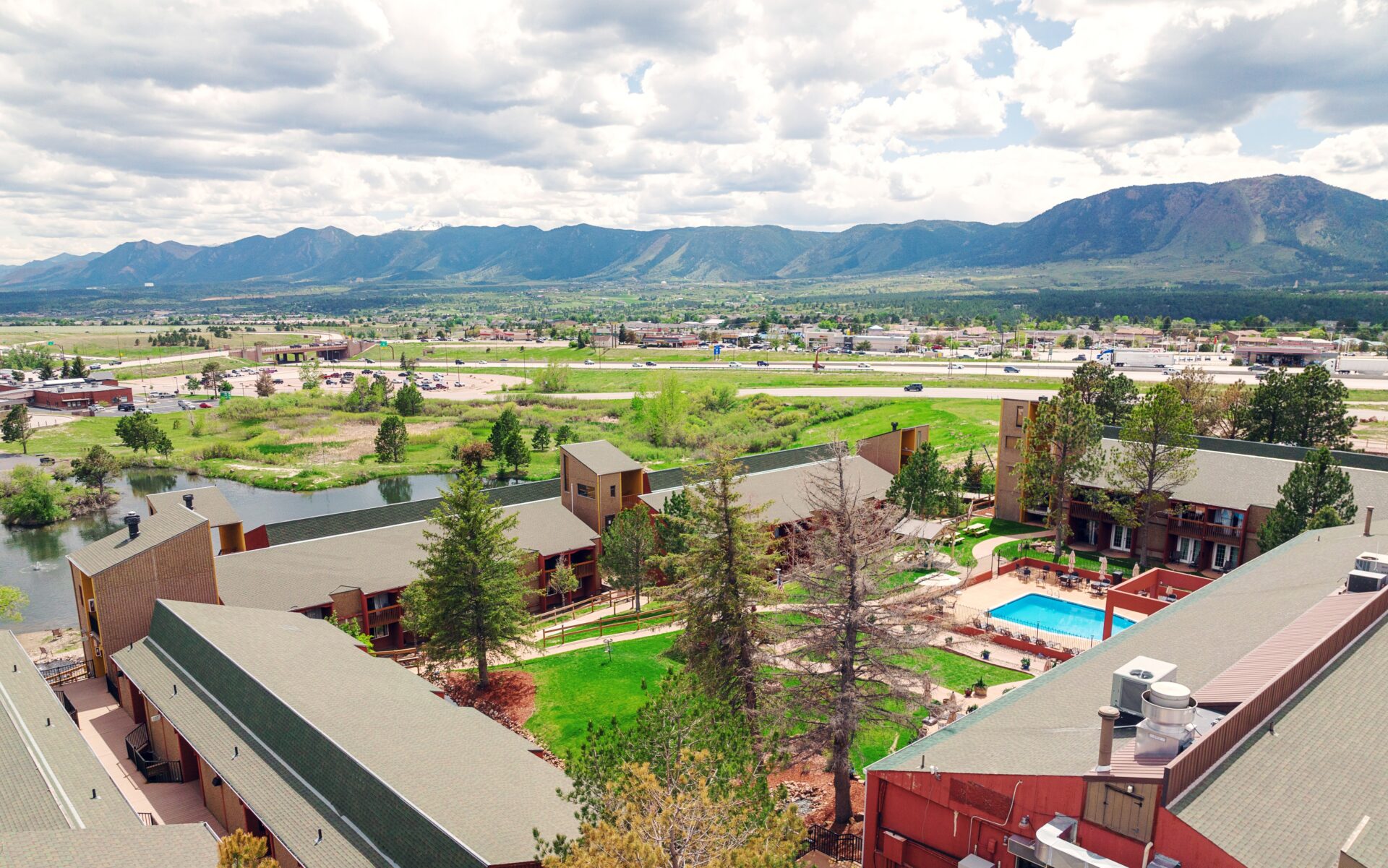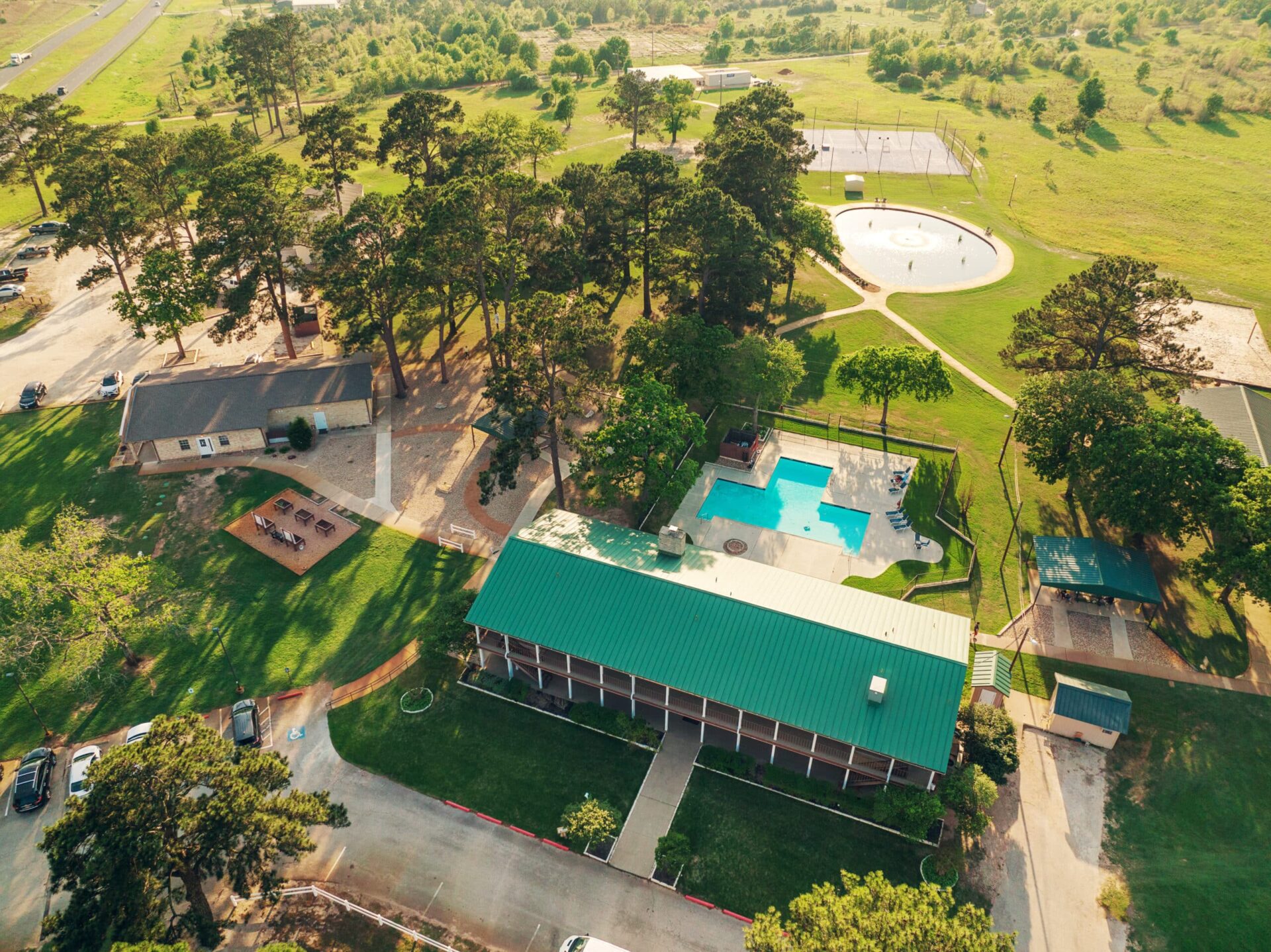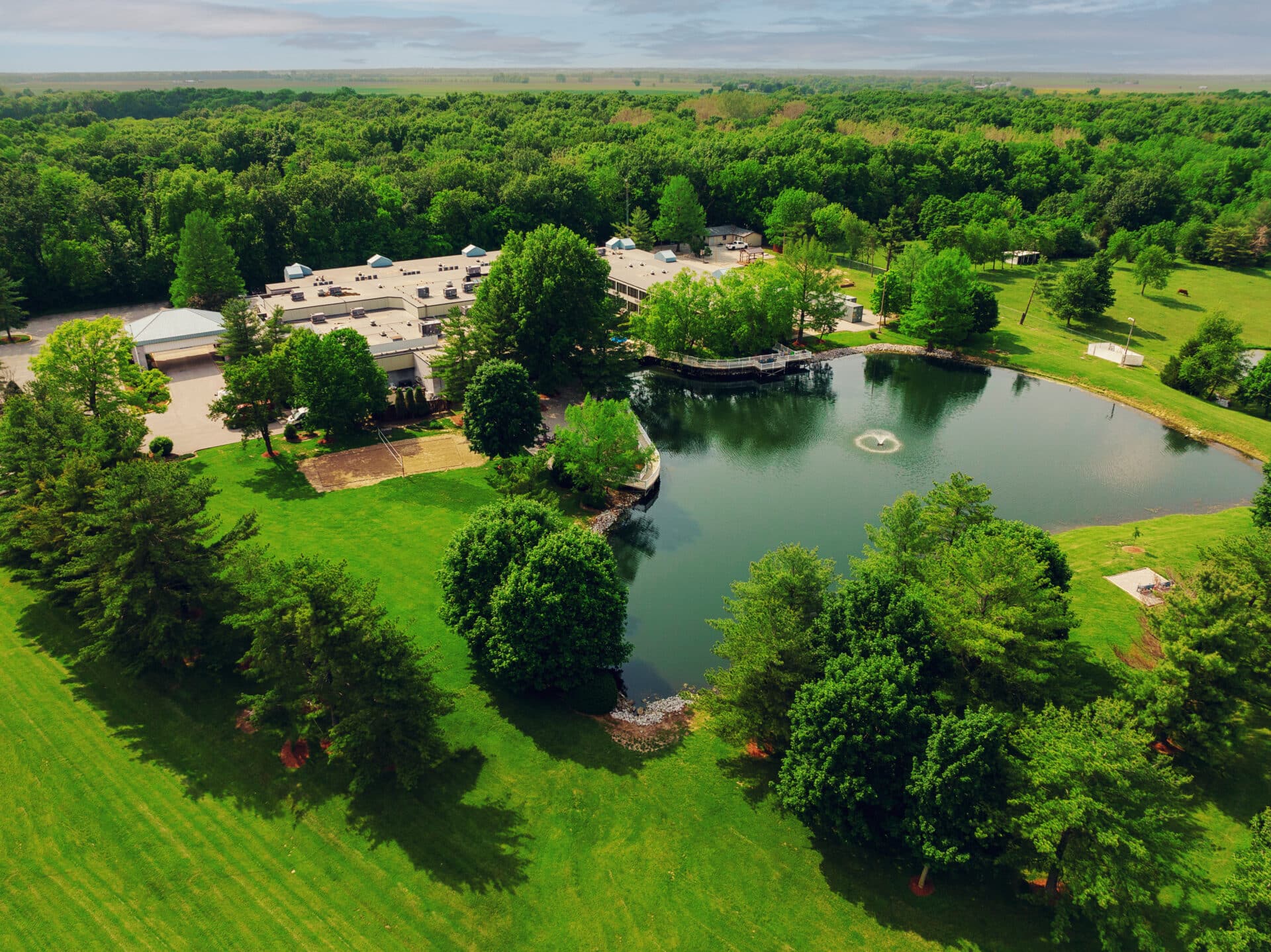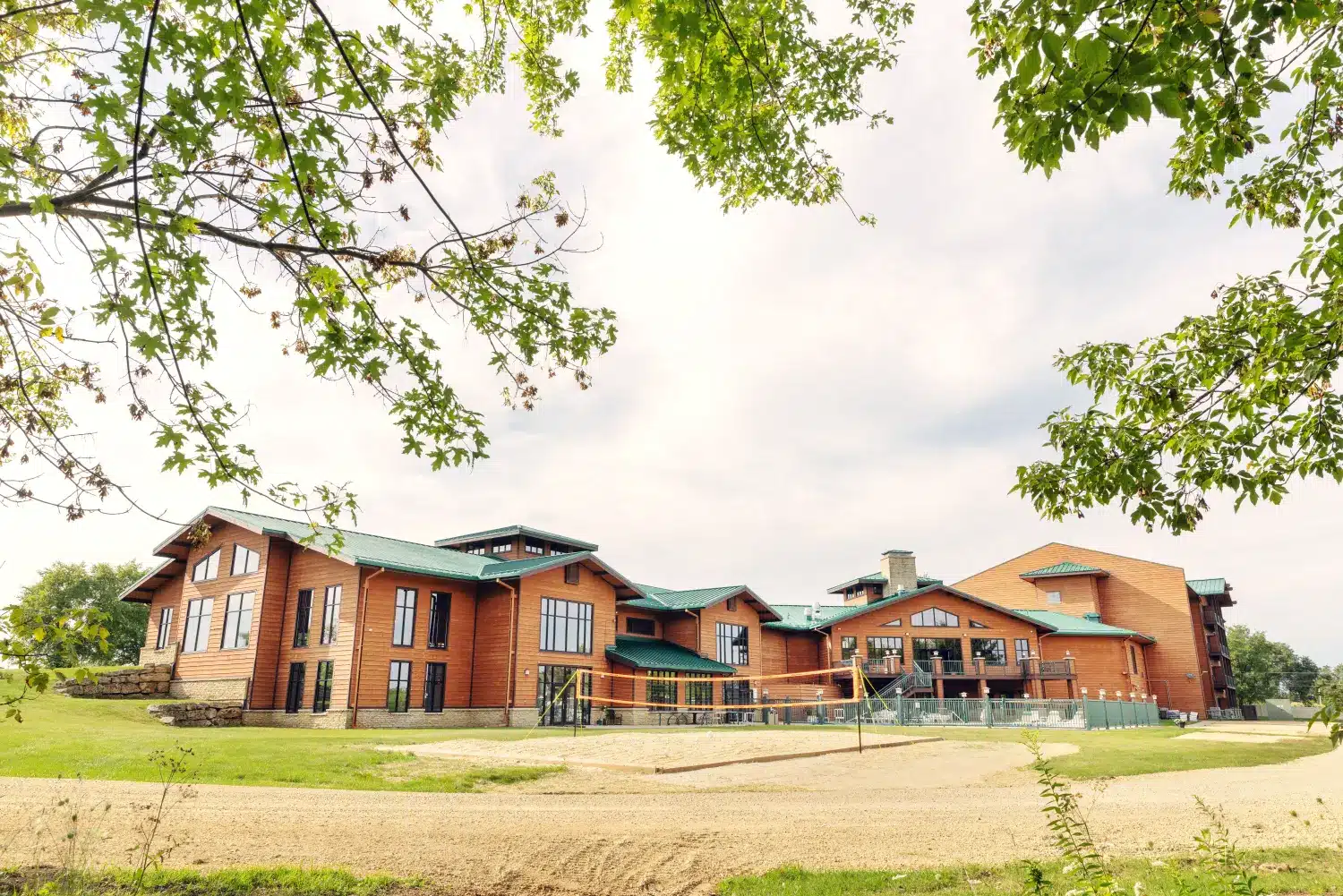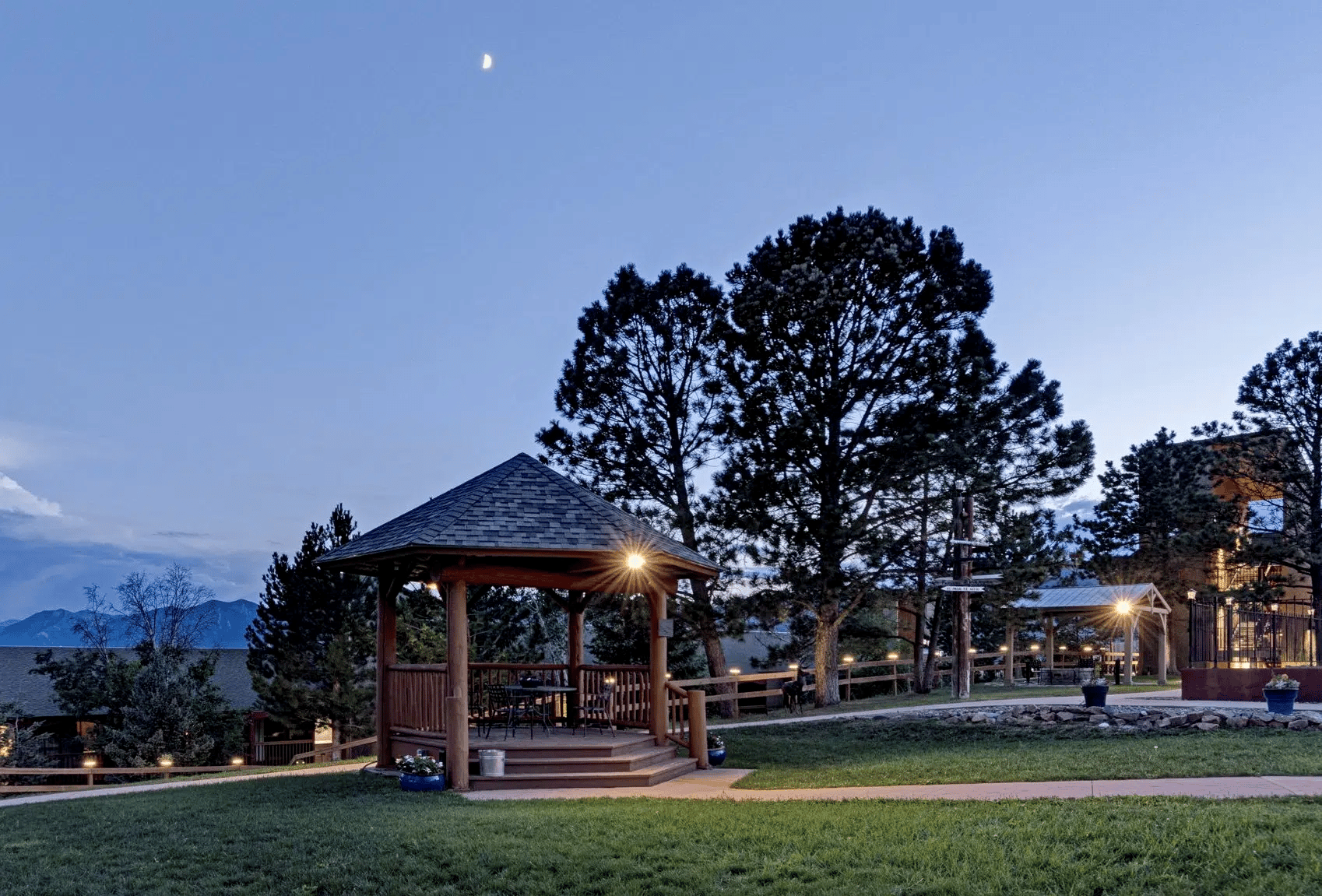
Mountain Springs Recovery - Monument, Colorado
GET HONEST & ACCURATE QUOTE
Castle Rock Drug & Addiction Rehab: Addiction Treatment Near Castle Rock
Upscale Colorado facility with medication assisted treatment and Non-12-Step program options
- Keep your phone and laptop
- Safe 24/7 monitored detox
- SMART options
- Dual diagnosis programs
- Long-term arrangements
- Thorough aftercare planning
- Located in Monument, CO
- Out of state options in CA, TX and IL
Check your coverage and get informed on admission process! Call us at:
 555-555-5555*
*HIPPA Compliant and 100% confidential
MAXIMIZE YOUR PPO COVERAGE WITH OUR HELP
We will work with insurance to get you the best possible coverage and minimize expenses.
Finding the right addiction treatment center can be one of the most important decisions you make for yourself or someone you love. Whether you’re struggling with alcohol, prescription medications, opioids, or other substances, professional treatment can provide the structure, medical support, and therapeutic guidance needed to begin building a healthier future.
At Sunshine Behavioral Health, we help individuals and families in Castle Rock, Colorado, access comprehensive addiction treatment tailored to their unique needs. Our approach recognizes that substance use disorders affect everyone differently, which is why we focus on individualized treatment rather than a one-size-fits-all recovery experience.
Castle Rock residents can access treatment at our Mountain Springs Recovery facility in Monument, Colorado, a convenient option south of Castle Rock along the Interstate 25 corridor. Here, individuals can step away from the pressures of everyday life and focus on their physical, emotional, and psychological well-being.
Whether you’re exploring treatment for the first time or seeking additional support after a relapse, Sunshine Behavioral Health can help you understand your options and take the next step toward recovery.
Finding Drug and Alcohol Rehab Near Castle Rock, Colorado
Castle Rock is a growing community in Douglas County, located between Denver and Colorado Springs. With access to outdoor recreation, employment opportunities, and family-friendly neighborhoods, it offers many of the advantages associated with Colorado living.
However, living in a desirable community doesn’t make someone immune to addiction.
Substance use disorders can affect people from every background, including working professionals, parents, students, retirees, and individuals managing chronic mental health conditions. Addiction may develop gradually through recreational substance use, prescribed medications, or attempts to cope with stress, anxiety, trauma, or emotional difficulties.
For Castle Rock residents, finding treatment nearby can offer several important advantages. Staying within the region may make it easier to coordinate admissions, involve supportive family members when appropriate, and plan for continued recovery after completing treatment.
Sunshine Behavioral Health provides access to addiction treatment at our Monument facility, allowing Castle Rock residents to receive structured care without traveling across the country.
Why Consider Rehab Outside Castle Rock?
Although staying close to home may initially seem preferable, receiving treatment outside your immediate community can provide valuable physical and psychological separation from the circumstances surrounding substance use.
Choosing a residential rehab facility in Monument may help you:
- Reduce Exposure to Triggers: Create distance from places, relationships, and routines associated with substance use.
- Establish Healthier Habits: Follow a structured daily schedule centered on recovery, nutrition, sleep, and personal development.
- Focus on Treatment: Temporarily step away from professional obligations, household responsibilities, and other distractions.
- Protect Your Privacy: Receive treatment outside your immediate social and professional circles.
- Remain Connected to Colorado: Access treatment within the state while maintaining reasonable proximity to family and other support systems.
- Prepare for Long-Term Recovery: Develop practical coping strategies before returning to your normal environment.
Sunshine Behavioral Health believes that the right treatment environment can make a meaningful difference in someone’s ability to engage in recovery.
How Do You Know When It’s Time to Seek Addiction Treatment?
Recognizing when substance use has become a problem isn’t always straightforward. Some people experience serious consequences relatively quickly, while others maintain employment, relationships, and daily responsibilities despite developing significant substance dependence.
A person doesn’t have to lose their job, experience legal problems, or reach a crisis before seeking help.
Signs that professional addiction treatment may be appropriate include:
- Using alcohol or drugs more frequently or in larger quantities than intended.
- Experiencing unsuccessful attempts to reduce or stop substance use.
- Spending increasing amounts of time obtaining, using, or recovering from substances.
- Developing cravings that interfere with concentration or everyday activities.
- Continuing to use substances despite relationship, financial, occupational, or health consequences.
- Losing interest in hobbies, social activities, or responsibilities that were previously important.
- Using substances to manage anxiety, depression, stress, or difficult emotions.
- Needing larger amounts of a substance to achieve the same effects.
- Experiencing withdrawal symptoms when substance use is reduced or stopped.
- Returning to substance use after previous attempts at recovery.
If several of these signs sound familiar, speaking with an addiction treatment professional can help determine whether medical detox, residential rehabilitation, outpatient care, or another level of support is appropriate.
Signs You May Need Medical Detox
Physical dependence occurs when the body adapts to repeated substance exposure. When someone who has developed dependence suddenly stops using a substance, withdrawal symptoms may develop.
Depending on the substance, withdrawal symptoms can include nausea, sweating, shaking, insomnia, anxiety, agitation, increased heart rate, and intense cravings.
Alcohol and benzodiazepine withdrawal can sometimes cause life-threatening complications, including seizures and delirium. Opioid withdrawal is typically not life-threatening on its own, but it can cause severe discomfort, dehydration, and an increased risk of returning to use.
Medical detox may be recommended when someone:
- Has developed significant physical dependence on alcohol or drugs.
- Has experienced severe withdrawal symptoms previously.
- Uses multiple substances regularly.
- Has medical or psychiatric conditions that complicate withdrawal.
- Has been unable to stop using substances without experiencing significant symptoms.
- Requires clinical monitoring or medication to manage withdrawal safely.
Sunshine Behavioral Health can help individuals seeking treatment near Castle Rock determine whether medically supervised withdrawal management is an appropriate first step.
Do not abruptly discontinue heavy alcohol use or benzodiazepines without medical guidance. If someone is experiencing seizures, severe confusion, difficulty breathing, or another medical emergency, call 911.
Addiction Treatment at Sunshine Behavioral Health Near Castle Rock
Sunshine Behavioral Health connects Castle Rock residents with personalized addiction treatment at Mountain Springs Recovery in Monument, Colorado.
Our treatment philosophy recognizes that addiction involves more than physical dependence. Substance use disorders can affect emotional regulation, decision-making, relationships, mental health, and the ability to manage everyday stress.
Effective treatment therefore involves addressing the underlying patterns and circumstances that contribute to substance use, rather than focusing exclusively on abstinence.
Depending on individual clinical needs and the services available, treatment may incorporate medical supervision, individual counseling, group therapy, mental health support, relapse-prevention education, and complementary wellness activities.
Medical Detoxification
Medical detox focuses on helping individuals safely manage the physical symptoms associated with withdrawal.
During detox, healthcare professionals may monitor vital signs, assess symptoms, provide supportive care, and administer medications when clinically appropriate.
The duration of detox varies based on factors such as the substance involved, the severity of dependence, medical history, and individual response to withdrawal.
Detox is an important first step for many people, but it is not a complete treatment for addiction. Continuing into a structured rehabilitation program can help address the behavioral and psychological components of substance use disorders.
Residential Drug and Alcohol Rehab
Residential treatment provides an immersive recovery environment where individuals live at the treatment facility while participating in structured programming.
Rather than balancing treatment with everyday responsibilities, residents can dedicate their attention to developing healthier behaviors and understanding the factors contributing to addiction.
Residential rehabilitation may be particularly beneficial for people who have experienced repeated relapses, have significant substance use disorders, lack a stable recovery-supportive home environment, or need more intensive therapeutic support than outpatient services provide.
At Sunshine Behavioral Health, residential treatment emphasizes individualized care, consistent therapeutic engagement, and practical preparation for life after rehab.
Continuing Care and Recovery Planning
Recovery doesn’t end when someone completes residential treatment.
A comprehensive treatment experience should also prepare individuals to manage challenges after returning home, including exposure to familiar triggers, relationship difficulties, workplace stress, and unexpected emotional setbacks.
Sunshine Behavioral Health helps individuals explore appropriate continuing-care options, which may include outpatient counseling, recovery support groups, psychiatric follow-up, and community-based resources.
For Castle Rock residents, establishing a continuing-care plan before leaving treatment can make the transition back to Douglas County more manageable.
Substance Use Disorders We Treat
Different substances affect the brain and body in different ways. Consequently, the symptoms of dependence, withdrawal risks, and treatment considerations can vary significantly.
Sunshine Behavioral Health takes these differences into account when helping individuals identify appropriate addiction treatment.
Alcohol Addiction
Alcohol use disorder can develop gradually, making it difficult to recognize when occasional drinking has progressed into a pattern of dependence.
Individuals struggling with alcohol addiction may experience strong cravings, difficulty controlling consumption, withdrawal symptoms, or continued drinking despite negative consequences.
Treatment may involve medically supervised detox, behavioral therapy, relapse-prevention planning, and support for co-occurring mental health conditions.
For Castle Rock residents struggling with alcohol dependence, Sunshine Behavioral Health provides access to professional care focused on developing sustainable recovery skills.
Opioid Addiction
Opioid addiction can involve prescription pain medications, heroin, fentanyl, and other opioid substances.
Opioids carry a particularly serious risk of overdose because they can suppress breathing. Repeated use can also lead to physical dependence and intense withdrawal symptoms.
Treatment may combine medication-assisted treatment, behavioral counseling, and structured rehabilitation.
Sunshine Behavioral Health recognizes the importance of addressing both the physical and behavioral components of opioid addiction while helping individuals reduce their risk of overdose and relapse.
Prescription Drug Addiction
Prescription medications can cause dependence or addiction even when someone initially begins taking them for a legitimate medical condition.
Commonly misused medications include opioid painkillers, benzodiazepines, and prescription stimulants.
Treatment depends on the medication involved and may require a carefully supervised withdrawal process rather than abrupt discontinuation.
Sunshine Behavioral Health helps individuals understand their treatment options and the importance of addressing the medical and psychological factors associated with prescription drug misuse.
Cocaine Addiction
Cocaine is a powerful stimulant that can produce intense but relatively short-lived effects.
Repeated use may contribute to cravings, mood disturbances, sleep problems, cardiovascular complications, and significant changes in behavior.
Cocaine addiction treatment generally emphasizes behavioral therapies, identification of triggers, and development of healthier coping mechanisms.
Sunshine Behavioral Health focuses on helping individuals understand the patterns that reinforce stimulant use and build strategies for maintaining recovery.
Methamphetamine Addiction
Methamphetamine can affect motivation, sleep, mood, cognition, and physical health.
Long-term use may contribute to anxiety, paranoia, depression, dental problems, and significant disruptions in daily functioning.
Treatment may involve structured behavioral interventions, mental health care, relapse-prevention education, and support for rebuilding healthy routines.
Recovery from methamphetamine addiction can take time, and ongoing support is often important.
Marijuana Addiction
Although marijuana is sometimes perceived as harmless, regular use can lead to cannabis use disorder in some individuals.
People experiencing problematic marijuana use may struggle with cravings, difficulty reducing consumption, impaired motivation, or continued use despite negative consequences.
Withdrawal symptoms can include irritability, anxiety, sleep disturbances, and changes in appetite.
Behavioral counseling can help individuals understand their relationship with cannabis and develop healthier strategies for managing stress and emotions.
Polysubstance Use
Polysubstance use involves consuming more than one substance, either simultaneously or at different times.
Examples include combining alcohol with benzodiazepines, using opioids alongside stimulants, or misusing multiple prescription medications.
These combinations can complicate withdrawal, increase overdose risks, and require more comprehensive treatment planning.
Sunshine Behavioral Health emphasizes careful assessment so that treatment recommendations account for all substances involved.
What Happens During Addiction Treatment?
Entering rehab can feel intimidating, particularly for individuals who have never participated in a structured treatment program.
Understanding the treatment process can make the experience feel more approachable.
Although each person’s recovery plan differs, addiction treatment generally includes several important stages.
1. Comprehensive Assessment
Treatment begins with an evaluation of the individual’s substance use history, physical health, mental health, and personal circumstances.
The assessment may explore the types of substances used, frequency and duration of use, previous treatment experiences, withdrawal risks, psychiatric symptoms, and existing support systems.
This information helps determine the most appropriate level of care and identify priorities for treatment.
2. Individualized Treatment Planning
After the assessment, clinicians develop a treatment plan that reflects the person’s specific needs and recovery goals.
Someone struggling with alcohol dependence and depression, for example, may require a different combination of services than someone seeking treatment for stimulant addiction without a co-occurring psychiatric condition.
Treatment plans may be adjusted as individuals make progress or new clinical needs emerge.
3. Individual Therapy
Individual counseling provides a confidential environment for exploring the thoughts, experiences, and behaviors associated with substance use.
Sessions may address trauma, emotional difficulties, relationship patterns, self-esteem, and personal recovery goals.
Therapists can also help individuals recognize triggers and develop strategies for responding to cravings or stressful situations.
4. Group Therapy
Group counseling allows participants to connect with others who understand the challenges associated with addiction.
Facilitated discussions may focus on relapse prevention, emotional regulation, communication, accountability, and personal development.
Group therapy can also help reduce isolation and encourage individuals to build healthier interpersonal relationships.
5. Family Support and Education
Addiction often affects family relationships, trust, communication, and household stability.
When clinically appropriate and with the individual’s consent, family involvement can help loved ones better understand substance use disorders and learn ways to support recovery.
Family-focused services may address boundaries, communication patterns, rebuilding trust, and recognizing behaviors that unintentionally reinforce substance use.
6. Relapse-Prevention and Life-Skills Development
Long-term recovery requires more than avoiding alcohol or drugs during treatment.
Individuals also benefit from learning how to manage everyday situations that may increase their risk of returning to substance use.
Treatment may include education on recognizing warning signs, managing cravings, establishing healthy routines, resolving conflicts, and developing a support network.
For Castle Rock residents, these skills can be particularly important when transitioning back into familiar work, family, and social environments.
Evidence-Based Therapies Used in Addiction Treatment
Sunshine Behavioral Health emphasizes therapeutic approaches designed to address the psychological and behavioral factors associated with substance use disorders.
The specific combination of therapies depends on individual clinical needs and the programming available at the treatment facility.
Cognitive Behavioral Therapy (CBT)
Cognitive behavioral therapy helps individuals identify and modify patterns of thinking and behavior that contribute to substance use.
For example, someone who automatically responds to workplace stress by drinking may learn to recognize the thoughts leading to that behavior and practice alternative coping strategies.
CBT can also help individuals challenge unhelpful beliefs, manage cravings, and develop practical problem-solving skills.
Dialectical Behavior Therapy (DBT)
Dialectical behavior therapy incorporates skills related to emotional regulation, distress tolerance, mindfulness, and interpersonal effectiveness.
These skills may be particularly useful for individuals who experience intense emotions or struggle to manage difficult situations without using substances.
DBT-informed treatment can help individuals respond to emotional discomfort more constructively.
Motivational Interviewing (MI)
Motivational interviewing is a collaborative counseling approach that helps individuals explore their reasons for making changes.
Many people entering addiction treatment experience mixed feelings about stopping substance use.
Motivational interviewing helps them examine these feelings, identify personal goals, and strengthen their commitment to recovery without relying on confrontation or judgment.
Trauma-Informed Care
Traumatic experiences can contribute to substance use, particularly when alcohol or drugs become a way of coping with painful memories or overwhelming emotions.
Trauma-informed care emphasizes emotional safety, trust, collaboration, and respect for personal boundaries.
Rather than assuming every individual has experienced trauma, this approach recognizes its potential influence and avoids practices that may unintentionally cause additional distress.
Holistic and Experiential Approaches
Recovery involves physical health, emotional well-being, relationships, and daily habits.
Complementary activities such as mindfulness, physical exercise, recreational experiences, and wellness education may support the broader recovery process.
These approaches are intended to complement evidence-based clinical treatment rather than replace it.
Dual-Diagnosis Treatment Near Castle Rock
Substance use disorders frequently occur alongside mental health conditions.
Some individuals begin using alcohol or drugs to manage symptoms of anxiety, depression, trauma, or other psychiatric difficulties. In other cases, substance use may worsen existing mental health symptoms or contribute to the development of new ones.
When someone experiences both a substance use disorder and a mental health condition, this is commonly referred to as a co-occurring disorder or dual diagnosis.
Examples of mental health conditions that may occur alongside addiction include:
- Depression
- Generalized anxiety disorder
- Post-traumatic stress disorder (PTSD)
- Bipolar disorder
- Panic disorder
- Certain personality disorders
Treating addiction without addressing significant mental health concerns may leave important factors contributing to substance use unresolved.
Sunshine Behavioral Health recognizes the importance of integrated care that considers both substance use and psychiatric symptoms.
Depending on the individual’s needs, dual-diagnosis treatment may include psychotherapy, psychiatric evaluation, medication management, coping-skills development, and ongoing mental health support.
Our goal is to help individuals develop a more complete understanding of their health and establish a recovery plan that addresses interconnected challenges.
Medication-Assisted Treatment for Addiction
Medication-assisted treatment (MAT), also referred to as medications for addiction treatment, combines appropriate medications with behavioral health services and other forms of support.
Medications can be particularly important for certain substance use disorders because they may reduce cravings, manage withdrawal symptoms, or lower the risk of returning to use.
For opioid use disorder, medications such as buprenorphine and methadone can reduce withdrawal symptoms and cravings. Naltrexone is another treatment option for some individuals.
For alcohol use disorder, medications such as naltrexone, acamprosate, and disulfiram may be considered when clinically appropriate.
Not every medication is appropriate for every person, and medication selection depends on medical history, substance use patterns, potential interactions, and treatment goals.
Sunshine Behavioral Health supports individualized, evidence-based treatment planning, including evaluation of medication options when appropriate. Our admissions team can help clarify which medication services are available at the Monument facility and whether additional coordination is necessary.
12-Step and Non-12-Step Addiction Recovery Options
Recovery is a personal process, and individuals may connect with different philosophies, support systems, and approaches to maintaining sobriety.
Sunshine Behavioral Health recognizes that no single recovery framework is ideal for everyone.
12-Step Recovery
Twelve-step programs, including Alcoholics Anonymous and Narcotics Anonymous, emphasize peer support, personal accountability, and a structured approach to recovery.
Participants may benefit from shared experiences, mentorship, regular meetings, and the development of a recovery-focused community.
Some individuals continue attending 12-step meetings long after completing formal treatment.
Non-12-Step Recovery
Non-12-step approaches offer alternatives for individuals who prefer a different recovery philosophy.
One example is SMART Recovery, which emphasizes self-management, motivation, coping with urges, and developing healthier thoughts and behaviors.
Other non-12-step approaches may focus on cognitive behavioral strategies, secular peer support, mindfulness, or individualized counseling.
Our treatment philosophy values matching individuals with recovery resources that align with their needs, preferences, and long-term goals.
What Does a Typical Day in Residential Rehab Look Like?
Residential addiction treatment generally follows a structured daily schedule that balances clinical programming, personal reflection, meals, and recreational time.
While schedules vary according to individual treatment plans and facility programming, a typical day may resemble the following:
|
Time |
Activity |
|
7:00 AM |
Wake up and morning routine |
|
8:00 AM |
Breakfast |
|
9:00 AM |
Group therapy or recovery education |
|
10:30 AM |
Individual counseling or therapeutic activities |
|
12:00 PM |
Lunch |
|
1:00 PM |
Skills development or specialized group programming |
|
2:30 PM |
Wellness, recreation, or experiential activities |
|
4:00 PM |
Personal reflection or recovery assignments |
|
5:30 PM |
Dinner |
|
6:30 PM |
Peer support or recovery-focused activities |
|
8:00 PM |
Personal time and evening routine |
This is an illustrative schedule, not a guaranteed daily itinerary at Mountain Springs Recovery.
Having a predictable routine can help individuals restore healthy sleep patterns, practice consistency, and develop habits that support life after treatment.
The Importance of Holistic Wellness During Recovery
Addiction can affect nearly every aspect of someone’s physical and emotional health.
Poor sleep, nutritional deficiencies, chronic stress, reduced physical activity, and social isolation are common challenges among individuals struggling with substance use.
Sunshine Behavioral Health recognizes that supporting these areas can complement the clinical treatment process.
Physical Fitness and Movement
Regular physical activity can support overall health, improve sleep, and provide a constructive outlet for stress.
Depending on individual abilities and clinical recommendations, movement-based activities may include walking, stretching, fitness exercises, or recreational sports.
Mindfulness and Stress Management
Mindfulness practices encourage individuals to observe thoughts and emotions without immediately reacting to them.
Breathing exercises, meditation, and relaxation techniques may help individuals manage stress and become more aware of situations that trigger cravings.
Nutrition and Healthy Eating
Substance use can interfere with appetite, digestion, and nutritional health.
Consistent meals and balanced nutrition can help support physical recovery and establish healthier daily routines.
Recreation and Connection With Nature
Colorado’s natural surroundings can provide opportunities for restorative recreational experiences.
Activities that encourage time outdoors, social connection, and healthy enjoyment can help individuals rediscover interests that do not revolve around substance use.
Rebuilding Healthy Sleep Habits
Sleep disturbances are common during withdrawal and early recovery.
Developing consistent sleep and wake times, reducing nighttime stimulation, and addressing underlying sleep difficulties can help individuals establish more sustainable routines.
Why Choose Sunshine Behavioral Health for Addiction Treatment Near Castle Rock?
Selecting an addiction treatment provider involves considering more than geographic proximity.
The quality of clinical care, treatment philosophy, individualized planning, and recovery support can all influence the treatment experience.
Sunshine Behavioral Health strives to make professional addiction treatment accessible, compassionate, and responsive to individual needs.
Personalized Treatment Rather Than a One-Size-Fits-All Approach
Every person enters treatment with different experiences, challenges, and goals.
Our approach emphasizes understanding the individual and identifying appropriate services based on their substance use history, mental health needs, and personal circumstances.
Convenient Access From Castle Rock
Our Monument facility is located south of Castle Rock, allowing residents to seek treatment without leaving Colorado.
This location can offer a useful balance between creating distance from familiar triggers and remaining reasonably close to supportive loved ones.
Support for Co-Occurring Mental Health Concerns
Substance use and mental health often influence one another.
Sunshine Behavioral Health recognizes the importance of evaluating psychiatric symptoms and incorporating appropriate mental health support into addiction treatment planning.
A Structured Environment for Recovery
Residential treatment provides consistency and separation from many everyday distractions.
With scheduled therapeutic activities and professional support, individuals can focus on developing the skills needed to move forward.
Preparation for Life After Rehab
Successful treatment planning considers what happens after residential care.
We emphasize the importance of continued support, relapse-prevention strategies, and identifying resources that can help individuals maintain progress after returning home.
Traveling From Castle Rock to Our Monument Rehab Facility
One of the advantages of seeking treatment through Sunshine Behavioral Health is the convenient location of our Monument facility for individuals living in Castle Rock.
Monument is situated south of Castle Rock along Interstate 25, making it accessible by car from the Castle Rock area.
The most straightforward route generally involves traveling south on I-25 toward Monument.
The distance and driving time depend on your starting location, traffic, weather conditions, and the specific destination.
Residents traveling from neighborhoods such as The Meadows, Founders Village, Castle Pines Village, Crystal Valley, and Terrain can generally reach the Monument area without navigating through downtown Denver or Colorado Springs.
Before traveling, our admissions team can help confirm the appropriate arrival instructions and discuss any transportation considerations.
What Should You Bring to Rehab?
Preparing for residential treatment is easier when you know what to expect.
Common items to discuss with the admissions team include:
- Comfortable clothing appropriate for Colorado’s changing weather.
- Personal hygiene products that comply with facility guidelines.
- Prescription medications in their original labeled containers.
- Insurance information and identification.
- Contact information for important family members or healthcare providers.
- Approved personal items that provide comfort during treatment.
Facilities may restrict certain items for safety or therapeutic reasons, so it’s important to confirm the current packing guidelines before arrival.
How Much Does Drug and Alcohol Rehab Cost Near Castle Rock?
The cost of addiction treatment varies depending on several factors, including the level of care, length of treatment, medical services required, and insurance coverage.
Medical detox, residential rehabilitation, and outpatient treatment have different cost structures.
For example, residential programs typically involve expenses related to accommodations, meals, clinical services, and daily supervision, while outpatient programs generally do not include housing.
The total cost may also depend on whether a treatment facility participates in your insurance network and what benefits are included in your policy.
Does Health Insurance Cover Addiction Treatment?
Many health insurance plans provide some level of coverage for medically necessary substance use disorder treatment.
However, benefits vary based on the insurance company, policy, network status, deductibles, copayments, coinsurance, and authorization requirements.
Depending on the plan, covered services may include:
- Medical detoxification
- Residential addiction treatment
- Individual and group counseling
- Psychiatric services
- Medications used during treatment
- Continuing-care services
Coverage for a particular service is not guaranteed, even when a policy includes behavioral health benefits.
Sunshine Behavioral Health can help Castle Rock residents explore their insurance benefits and understand potential out-of-pocket costs before admission.
Can You Attend Rehab Without Insurance?
Individuals without health insurance may still have treatment options.
Depending on the facility and individual circumstances, private-pay arrangements or other financial resources may be available.
Our admissions team can discuss applicable payment options and help you understand the next steps.
Start Addiction Treatment Near Castle Rock Today
You don’t have to wait until substance use causes a major crisis to ask for help.
Whether you’re concerned about your drinking, struggling with prescription medication dependence, experiencing repeated relapses, or watching someone you love struggle with addiction, professional guidance can help you understand what comes next.
At Sunshine Behavioral Health, we believe that every individual deserves compassionate care and the opportunity to work toward a healthier future.
Our Mountain Springs Recovery facility in Monument offers Castle Rock residents a convenient option for accessing structured addiction treatment while remaining within Colorado.
Contact Sunshine Behavioral Health today to learn more about drug and alcohol rehab near Castle Rock, verify your insurance benefits, and explore your treatment options.
Frequently Asked Questions About Castle Rock Drug and Alcohol Rehab
Is There a Drug and Alcohol Rehab Near Castle Rock, Colorado?
Yes. Castle Rock residents can explore addiction treatment options throughout Douglas County and the surrounding region. Sunshine Behavioral Health offers access to treatment at our Mountain Springs Recovery facility in Monument, located south of Castle Rock along Interstate 25.
How Far Is Mountain Springs Recovery From Castle Rock?
Monument is approximately 20 miles south of central Castle Rock, although the exact distance depends on your starting point and the facility’s location. Driving times vary with traffic and road conditions. Our admissions team can provide arrival information before your visit.
Do I Need to Complete Detox Before Entering Rehab?
Not everyone requires medical detox. The need for withdrawal management depends on the substances used, the severity of physical dependence, medical history, and potential withdrawal risks. A clinical assessment can help determine whether detox is appropriate before beginning residential treatment.
How Long Does Residential Addiction Treatment Last?
The appropriate duration varies depending on individual needs, progress, and clinical recommendations. Some individuals participate in residential programs lasting approximately 30 days, while others benefit from longer treatment. The length of care should be determined through individualized assessment rather than a fixed timeline alone.
Can I Receive Treatment for Addiction and Depression at the Same Time?
Yes. Integrated treatment approaches can address substance use disorders alongside co-occurring mental health conditions such as depression and anxiety. The specific services available depend on the facility and individual clinical needs.
Does Sunshine Behavioral Health Treat Alcohol Addiction?
Sunshine Behavioral Health helps individuals access treatment for alcohol use disorder, including evaluation for medical detox when necessary and structured therapeutic care. Treatment recommendations depend on the severity of alcohol dependence and other individual health considerations.
Are There Non-12-Step Addiction Treatment Options?
Yes. Non-12-step approaches, including SMART Recovery and other evidence-based behavioral strategies, can provide alternatives to traditional 12-step programs. Ask our admissions team about the specific recovery-support options available at the Monument facility.
Can I Use My Health Insurance for Rehab Near Castle Rock?
Many health insurance plans provide benefits for substance use disorder treatment, although coverage varies. Sunshine Behavioral Health can help review your insurance benefits and explain potential financial responsibilities before admission.
Can My Family Visit Me During Residential Rehab?
Family involvement and visitation depend on the facility’s policies, the stage of treatment, and clinical recommendations. Contact our admissions team for current visitation guidelines and information about family participation.
What Happens If I Relapse After Completing Rehab?
A return to substance use is a sign that your recovery plan may need additional support or adjustment. Contacting a treatment professional promptly can help determine whether outpatient services, renewed residential care, medication adjustments, or other interventions are appropriate. If an overdose is suspected, call 911 immediately.
How Do I Get Started With Sunshine Behavioral Health?
Contact our admissions team to discuss your substance use concerns, ask questions about treatment, and explore available options. We can help you understand the assessment process, review insurance benefits, and determine appropriate next steps for accessing care near Castle Rock.
Medical disclaimer:
Sunshine Behavioral Health strives to help people who are facing substance abuse, addiction, mental health disorders, or a combination of these conditions. It does this by providing compassionate care and evidence-based content that addresses health, treatment, and recovery.
Licensed medical professionals review material we publish on our site. The material is not a substitute for qualified medical diagnoses, treatment, or advice. It should not be used to replace the suggestions of your personal physician or other health care professionals.