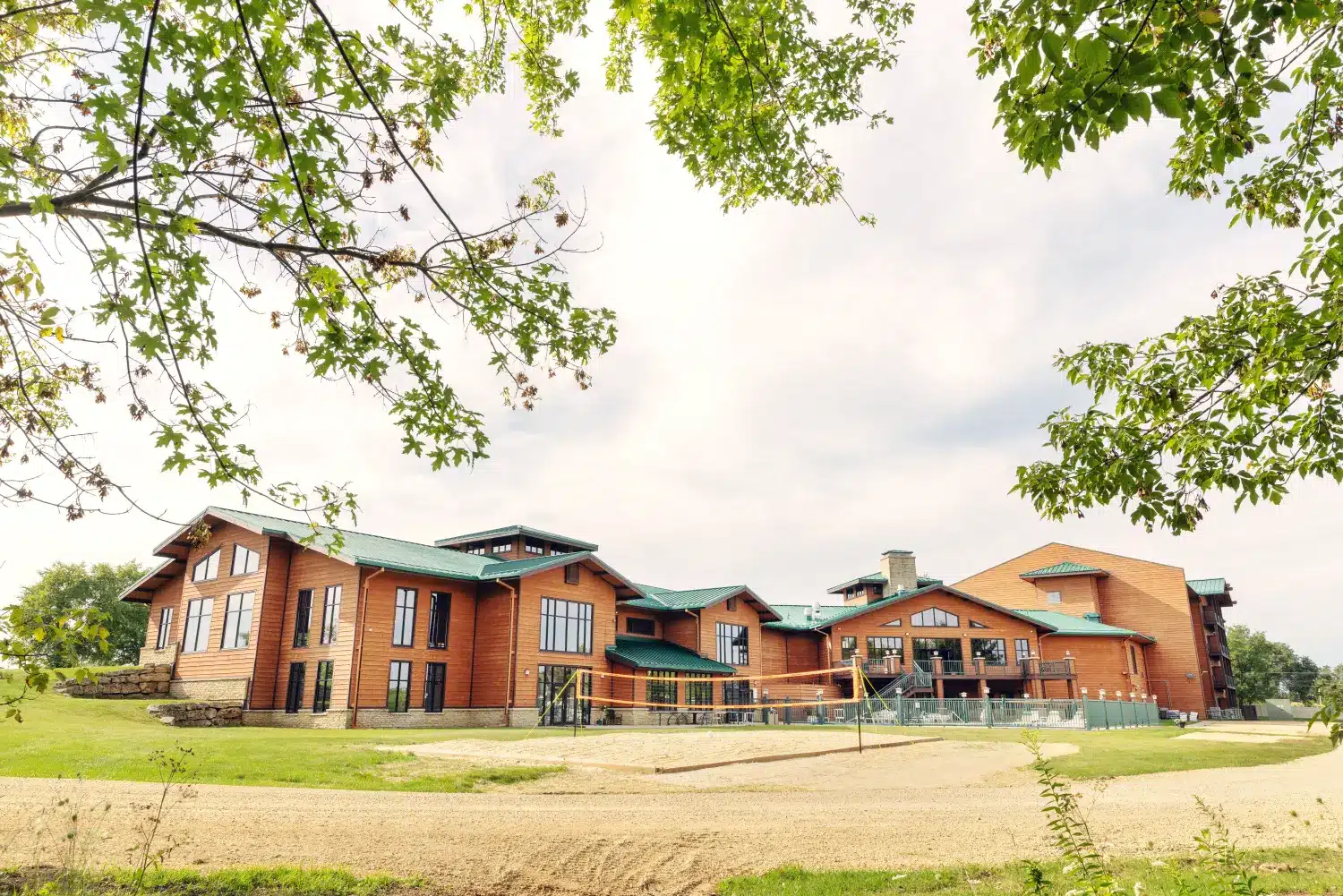
Mountain Springs Recovery - Monument, Colorado
GET HONEST & ACCURATE QUOTE
Denver Drug & Addiction Rehab: Addiction Treatment Near Denver
Upscale Colorado facility with medication assisted treatment and Non-12-Step program options
- Keep your phone and laptop
- Safe 24/7 monitored detox
- SMART options
- Dual diagnosis programs
- Long-term arrangements
- Thorough aftercare planning
- Located in Monument, CO
- Out of state options in CA, TX and IL
Check your coverage and get informed on admission process! Call us at:

555-555-5555*
*HIPPA Compliant and 100% confidential
MAXIMIZE YOUR PPO COVERAGE WITH OUR HELP
We will work with insurance to get you the best possible coverage and minimize expenses.
When drug or alcohol use begins affecting your health, relationships, work, finances, or ability to manage everyday responsibilities, professional treatment can help you regain stability and begin building a healthier future.
Sunshine Behavioral Health connects Denver residents with comprehensive addiction treatment at Mountain Springs Recovery, our treatment center in Monument, Colorado. Located approximately 50 miles south of Denver, Mountain Springs Recovery offers enough distance from the city to create a meaningful change of environment while keeping treatment accessible to individuals and families throughout the Denver metro area.
Our services include medical detox, residential addiction treatment, dual diagnosis care, medication-assisted treatment when clinically appropriate, and continuing care planning. Clients can explore 12-Step, SMART Recovery, and other non-12-Step approaches as part of a treatment plan tailored to their needs.
If you are searching for addiction treatment near Denver for yourself or someone you love, our admissions team is available to answer questions, verify insurance benefits, and help you understand your options.
When Is It Time to Consider Professional Addiction Treatment?
You do not need to lose everything before asking for help. Substance use disorders exist on a spectrum, and seeking treatment before a crisis occurs may prevent further harm to your health, family, career, and future.
It may be time to speak with a treatment professional if you:
- Regularly use more drugs or alcohol than you intended
- Have tried unsuccessfully to reduce or stop your substance use
- Experience intense cravings
- Need larger amounts of a substance to feel the same effects
- Experience withdrawal symptoms when you stop
- Spend significant time obtaining, using, or recovering from substances
- Continue using despite physical or mental health problems
- Miss work, school, appointments, or family responsibilities
- Have experienced relationship or financial problems because of substance use
- Have stopped participating in activities that were once important to you
- Use substances in situations that put you or others at risk
- Have experienced an overdose, blackout, or substance-related emergency
- Feel unable to function normally without drugs or alcohol
- Have returned to substance use after previous attempts at recovery
Residential treatment may be especially beneficial when a person’s home environment makes sobriety difficult, outpatient treatment has not provided enough support, withdrawal could be medically dangerous, or addiction is accompanied by significant mental health symptoms.
You do not have to decide on your own whether you need detox, residential care, or another level of treatment. Our admissions and clinical teams can learn about your substance use, health, treatment history, and current circumstances before helping determine whether Mountain Springs Recovery may be an appropriate fit.
Addiction Treatment for Denver Residents at Mountain Springs Recovery
Mountain Springs Recovery is located in Monument along the eastern edge of the Rocky Mountains. The setting gives Denver residents an opportunity to step away from familiar triggers without traveling across the country or becoming completely disconnected from their support systems.
We provide an integrated continuum of care that may include:
- Medical detoxification
- Residential addiction treatment
- Medication-assisted treatment
- Dual diagnosis treatment
- Individual and group therapy
- 12-Step programming
- SMART Recovery and other non-12-Step options
- Holistic and experiential activities
- Partial hospitalization and intensive outpatient programming
- Discharge and continuing care planning
Treatment begins with a comprehensive assessment. Our professionals consider the substances involved, patterns of use, withdrawal risks, physical health, mental health, past treatment experiences, home environment, and personal recovery goals.
That assessment guides an individualized treatment plan. The plan may change as the client progresses, develops new skills, or encounters challenges that require additional attention. Addiction treatment should be responsive to the person receiving care rather than determined solely by the name of a substance or a predetermined schedule.
Benefits of Leaving Denver for Residential Addiction Treatment
Denver offers many behavioral health resources, but the closest facility is not always the best fit. For some people, leaving their normal environment is an important part of beginning recovery.
Traveling from Denver to Monument may provide several advantages:
- Separation from immediate triggers: Distance can make it harder to act on an impulse to contact a dealer, visit a familiar bar, or reconnect with people associated with substance use.
- Relief from everyday pressure: Work demands, household responsibilities, strained relationships, and financial worries can make it difficult to concentrate on recovery.
- Greater privacy: Receiving treatment outside your immediate neighborhood may reduce concerns about encountering coworkers, acquaintances, or clients.
- A clear transition into treatment: Physically leaving your normal environment can reinforce the significance of the decision to pursue recovery.
- Time to establish new routines: A structured setting allows clients to practice coping strategies before applying them in everyday life.
- Access to a quieter environment: Mountain Springs Recovery offers treatment in a scenic setting away from the pace and congestion of central Denver.
- Continued accessibility: Monument remains close enough for appropriate family involvement and eventual coordination with providers in the Denver area.
Travel alone does not produce lasting recovery. Its value comes from combining a new environment with structured treatment, clinical support, honest self-examination, and a practical plan for returning home.
What Is Drug and Alcohol Rehab?
Drug and alcohol rehab is a structured form of treatment for substance use disorders. It is designed to address more than the physical effects of drugs or alcohol. Effective rehabilitation also examines the thoughts, emotions, behaviors, relationships, and environmental circumstances that contribute to continued use.
Residential rehab allows clients to live at a treatment facility while participating in organized therapeutic programming. Depending on individual needs, treatment may include:
- Medical and psychiatric evaluations
- Individual counseling
- Group therapy
- Substance use education
- Cognitive and behavioral therapies
- Trauma-informed care
- Medication management
- Relapse prevention planning
- Communication and relationship skills
- Emotional regulation strategies
- Peer support
- Wellness and recreational activities
- Family involvement when appropriate
- Continuing care planning
Residential treatment can provide greater structure than standard outpatient counseling. It temporarily removes many opportunities to obtain and use substances while giving clients time to understand their patterns and practice new responses.
Rehab is not a punishment or a place to be isolated from life. It is an opportunity to stabilize, receive care, and prepare to manage life without returning to harmful substance use.
Do I Need Medical Detox Before Rehab?
Not everyone entering addiction treatment needs medical detox. The answer depends on the substance or substances used, frequency and amount of use, duration of use, previous withdrawal experiences, physical health, mental health, and use of other medications.
Medical detox may be recommended when stopping a substance could cause severe, unpredictable, or potentially life-threatening withdrawal symptoms. Alcohol and benzodiazepines require particular caution because abrupt withdrawal can sometimes cause seizures, delirium, or other serious complications. Opioid withdrawal is not usually life-threatening on its own, but it can be intensely uncomfortable and may contribute to rapid return to use or overdose risk.
During medical detox, qualified professionals monitor the client’s health, evaluate symptoms, and provide appropriate support. Medication may be used when clinically indicated to reduce withdrawal symptoms, address complications, or help the client remain stable.
Detox clears substances from the body, but it does not resolve the behavioral and psychological aspects of addiction. Without ongoing treatment, the circumstances that contributed to substance use often remain. When residential care is recommended after detox, clients at Mountain Springs Recovery may be able to move into the next stage of treatment at the same facility, subject to clinical recommendations and coverage authorization.
Do not attempt to abruptly stop heavy alcohol or benzodiazepine use without medical guidance. If someone is experiencing seizures, severe confusion, difficulty breathing, chest pain, loss of consciousness, signs of overdose, or another emergency, call 911 immediately.
Substance Use Disorders We Treat
Substance use can affect every person differently. The appropriate approach depends not only on the drug involved but also on the person’s pattern of use, health, mental health symptoms, relationships, and recovery history.
Alcohol Addiction
Alcohol use disorder can develop gradually and may be difficult to recognize because drinking is common in social and professional settings. Warning signs can include unsuccessful attempts to cut back, hiding alcohol use, drinking to manage emotions, frequent blackouts, neglecting responsibilities, and experiencing withdrawal when alcohol wears off.
Alcohol withdrawal can become medically dangerous. Our team can assess whether supervised detox is necessary before residential treatment begins. Ongoing treatment may address cravings, emotional triggers, social pressures, co-occurring mental health concerns, damaged relationships, and the routines that supported drinking.
Opioid Addiction
Opioids include heroin, fentanyl, prescription pain medications, and other drugs that act on opioid receptors. These substances can cause physical dependence, powerful cravings, respiratory depression, and fatal overdose.
Opioid treatment may involve medically supported withdrawal, behavioral therapy, relapse prevention, and medication-assisted treatment when appropriate. Because tolerance can decrease during abstinence, returning to a previously used amount after detox can dramatically increase overdose risk. Treatment therefore focuses on both immediate stabilization and long-term strategies for reducing harm and sustaining recovery.
Benzodiazepine Addiction
Benzodiazepines such as alprazolam, clonazepam, lorazepam, and diazepam are generally prescribed for anxiety, panic attacks, insomnia, or related conditions. Dependence can develop even when these medications were initially used for a legitimate medical purpose.
Abruptly stopping benzodiazepines after regular use can cause severe withdrawal, including seizures. A medically managed approach may be necessary. Treatment can also address the anxiety, sleep problems, trauma, or other symptoms that contributed to benzodiazepine use in the first place.
Cocaine Addiction
Cocaine is a stimulant that can produce short-lived energy, confidence, and euphoria followed by cravings, fatigue, depression, irritability, or anxiety. Its effects may lead to repeated use within a short period.
Cocaine addiction treatment often focuses on recognizing triggers, changing learned behavior, tolerating cravings, regulating mood, and developing healthier sources of motivation and reward. Clinicians should also evaluate cardiovascular concerns and co-occurring use of alcohol or other drugs.
Methamphetamine Addiction
Methamphetamine can significantly affect sleep, appetite, judgment, mood, and physical health. Prolonged or heavy use may contribute to paranoia, agitation, hallucinations, depression, cognitive difficulties, or severe exhaustion.
Early recovery may involve substantial fatigue and emotional instability. A structured environment can give clients time to restore basic routines while receiving clinical support. Treatment may address stimulant cravings, impulsivity, mental health symptoms, relationships, and the behavioral patterns that reinforce use.
Prescription Stimulant Addiction
Prescription stimulants are commonly used to treat conditions such as ADHD, but taking higher doses, using someone else’s medication, or using stimulants in ways other than prescribed can lead to serious problems.
Some people begin misusing stimulants to work longer, study, lose weight, or maintain energy. Over time, use may produce anxiety, insomnia, irritability, cardiovascular problems, or psychological dependence. Treatment can help clients develop healthier ways to manage performance pressure, attention, fatigue, and everyday responsibilities.
Marijuana Addiction
Not everyone who uses marijuana develops a substance use disorder, but marijuana is not harmless for every person. Problematic use may interfere with memory, motivation, mental health, relationships, work, school, or daily functioning.
People who use marijuana regularly may experience irritability, anxiety, sleep disruption, appetite changes, or cravings when they stop. Treatment can help clients identify the role marijuana has come to play in their lives and develop alternative ways to manage stress, boredom, sleep, or uncomfortable emotions.
Hallucinogen Addiction
Hallucinogens include a broad range of substances that alter perception, mood, thought, and a person’s sense of reality. Patterns and risks vary considerably by substance. Although some hallucinogens are not typically associated with the same physical dependence seen with alcohol or opioids, use can still become harmful.
Treatment may be appropriate when hallucinogen use contributes to unsafe behavior, persistent psychological symptoms, impaired functioning, repeated high-risk decisions, or continued use despite negative consequences. Care should be tailored to the particular substances involved and any accompanying psychiatric symptoms.
Polysubstance Use
Polysubstance use means using more than one drug, whether simultaneously, sequentially, or as part of an ongoing pattern. A person might combine alcohol and benzodiazepines, use opioids with stimulants, or take one substance to counteract the effects of another.
Mixing substances can make overdose and withdrawal risks more difficult to predict. It can also complicate diagnosis because symptoms attributed to one drug may be caused or intensified by another. Clients should tell the treatment team about every substance they use, including alcohol, prescriptions, over-the-counter medications, supplements, and drugs obtained illegally.
Our professionals evaluate the complete pattern rather than treating each substance in isolation.
Dual Diagnosis Treatment Near Denver
Addiction often occurs alongside mental health conditions. Depression, anxiety, bipolar disorder, post-traumatic stress disorder, complex trauma, and other concerns may precede substance use, develop because of it, or become worse as use continues.
For example, someone may drink to temporarily reduce social anxiety, use stimulants to cope with depression or exhaustion, or rely on sedatives to sleep after a traumatic experience. Although substances may seem to provide short-term relief, they frequently intensify the underlying symptoms over time.
Dual diagnosis treatment addresses substance use and co-occurring mental health concerns as interconnected parts of the same clinical picture. Depending on individual needs, treatment may include:
- Mental health assessment
- Individual and group therapy
- Trauma-informed care
- Psychiatric support
- Medication management
- Coping and emotional regulation skills
- Stress management
- Psychoeducation
- Safety and relapse prevention planning
Treating only the addiction while leaving significant mental health symptoms unaddressed can make recovery more difficult. Likewise, mental health treatment may have limited effectiveness when active substance use continues to destabilize mood, sleep, judgment, or medication adherence.
Personalized Paths to Recovery
Recovery is deeply personal. A framework that gives one client purpose and connection may not resonate with another. Mountain Springs Recovery offers different pathways so clients can engage with approaches that reflect their needs, beliefs, and goals.
12-Step Programming
The 12-Step model emphasizes acceptance, personal inventory, accountability, connection with peers, making amends when appropriate, and continued involvement in a recovery community.
Clients can learn how the Steps work, consider how the principles apply to their lives, and begin developing familiarity with a meeting-based support network. This may make it easier to connect with the many 12-Step meetings available throughout Denver after treatment.
Although traditional 12-Step language includes references to a higher power, individuals may interpret that concept in different spiritual, religious, or personal ways.
Non-12-Step Treatment Options
A 12-Step approach is not the only path to recovery. Mountain Springs Recovery also provides non-12-Step options, including SMART Recovery.
SMART Recovery uses practical strategies to help participants strengthen motivation, manage urges, examine unhelpful thoughts and behaviors, and create a more balanced life. Its approach may appeal to people who prefer a secular or self-management-oriented framework.
Offering multiple pathways allows clients to identify tools they are more likely to continue using after they return to Denver. The objective is not to force everyone into the same philosophy. It is to help each client develop a credible, sustainable plan for recovery.
Holistic Support During Addiction Treatment
Therapy is central to addiction treatment, but recovery also involves learning how to care for the body, structure the day, manage stress, and participate in life without relying on substances.
Holistic services complement clinical treatment. They are not replacements for medical care, counseling, or evidence-based therapy.
Physical Fitness and Recreational Activities
Regular movement can provide structure, reduce restlessness, and help clients reconnect with their physical well-being. Exercise and recreation may also introduce healthy ways to experience accomplishment, enjoyment, and social connection.
Mountain Springs Recovery offers fitness and recreational spaces where appropriate activities can be incorporated into the treatment experience. Participation can be adapted to a client’s health, ability, and stage of recovery.
Outdoor Activities and Colorado’s Natural Environment
Mountain Springs Recovery’s Monument location provides access to a quieter setting near Colorado’s natural landscape. When clinically appropriate and conditions allow, outdoor activities and guided hikes can give clients opportunities for movement, reflection, and healthy recreation.
Time outdoors can also remind clients that recovery is not limited to therapy rooms. Enjoyable, substance-free experiences are an important part of creating a life that feels worth protecting.
Mindfulness and Stress Management
Stress, anxiety, shame, anger, and uncomfortable memories can all contribute to substance use. Mindfulness practices teach clients to notice thoughts, feelings, and physical sensations without automatically reacting to them.
Meditation, breathing exercises, yoga, and other stress-management practices may help clients create a pause between an urge and a decision. That skill can become particularly valuable after treatment, when clients once again encounter traffic, work pressure, relationship conflict, and other Denver-area stressors.
Nutrition and Healthy Daily Routines
Active addiction can disrupt appetite, food choices, hydration, finances, and the ability to prepare regular meals. Reestablishing consistent routines gives the body an opportunity to recover and helps make daily life more predictable.
Clients can begin practicing habits related to balanced meals, hydration, personal care, medication adherence, appointments, and time management. These seemingly ordinary routines often form the practical foundation of stability after treatment.
Rebuilding Sleep Habits
Alcohol, stimulants, opioids, marijuana, benzodiazepines, and other substances can all interfere with natural sleep patterns. Early recovery may involve insomnia, excessive sleep, vivid dreams, nighttime anxiety, or an inconsistent sleep schedule.
A structured residential environment can help clients begin rebuilding regular sleep and waking routines. Treatment can also explore the thoughts, behaviors, mental health conditions, and environmental factors that contribute to poor sleep. Improvement may take time, but learning to address sleeplessness without returning to substance use is an important recovery skill.
Life at Mountain Springs Recovery
Residential treatment combines structured programming with time for rest, reflection, recreation, and appropriate connection with others. Although each person’s schedule depends on clinical needs, a typical day may include:
- A consistent waking routine
- Breakfast and morning check-ins
- Individual or group therapy
- Educational sessions
- Recovery-focused meetings
- Lunch and personal time
- Skills practice or additional therapeutic programming
- Wellness, fitness, or recreational activities
- Dinner
- Evening reflection or peer-support programming
- Time to prepare for sleep
Clients live alongside other people working toward recovery, creating opportunities to practice communication, accountability, boundaries, and mutual support.
Our Monument facility includes comfortable accommodations, a fitness area, swimming pool, computer lounge, meditation and yoga spaces, music and recreation areas, and views of the surrounding landscape. Available activities and amenities may depend on scheduling, clinical appropriateness, weather, and facility guidelines.
Mountain Springs Recovery is also cellphone- and laptop-friendly. We believe appropriate access can help clients maintain relationships with loved ones and handle certain essential responsibilities. Device use must still fit around treatment, privacy rules, and facility expectations. Residential care is intensive, so clients should not assume they can maintain a normal full-time work schedule while participating.
Preparing to Return to Denver After Rehab
Completing residential treatment is an achievement, but discharge is not the end of recovery. Returning to the same environment can reintroduce responsibilities, relationships, locations, and emotions associated with past substance use.
Before leaving treatment, clients can work on a continuing care plan that accounts for their expected life in Denver. Recommendations may include:
- Partial hospitalization or intensive outpatient treatment
- Individual counseling
- Psychiatric care and medication management
- Primary care follow-up
- 12-Step, SMART Recovery, or other peer-support meetings
- Sober living
- Family counseling
- Recovery coaching
- Alumni support
- Structured routines
- A written relapse response plan
Planning should be specific. It is not enough to decide to “avoid triggers.” Clients should identify which people, places, situations, and emotions create risk and determine what they will do when those triggers arise.
The first appointments after discharge should ideally be arranged before the client leaves residential care. Minimizing gaps between levels of treatment can preserve momentum and provide support during a vulnerable transition.
Paying for Addiction Treatment Near Denver
The cost of addiction treatment depends on the recommended level of care, length of treatment, insurance benefits, network status, deductible, copays, coinsurance, and authorization requirements.
Many health insurance policies include behavioral health benefits that may help pay for medically necessary substance use disorder treatment. Depending on the plan, benefits may apply to detox, residential care, therapy, medication-assisted treatment, dual diagnosis services, or lower levels of care.
Mountain Springs Recovery works with a wide range of insurance networks and provides free insurance verification. Our team can contact your insurer, review available benefits, and explain the information we receive. Verification does not guarantee payment, but it can give you a clearer estimate of coverage and potential financial responsibility before admission.
If insurance does not cover the entire cost, or if you do not have insurance, ask our admissions team about available private-pay arrangements. Do not assume treatment is unaffordable without first discussing your circumstances.
How to Choose an Addiction Rehab Center
Choosing a rehab center involves more than searching for the closest provider or comparing amenities. The facility must be capable of safely addressing your clinical needs.
Consider asking the following questions:
- Does the center provide medical detox if I need it?
- Can I move from detox into residential treatment without changing facilities?
- Does the program treat every substance I use?
- Is medical support available around the clock?
- Can the team address co-occurring mental health conditions?
- Are treatment plans individualized?
- What therapeutic approaches are used?
- Are both 12-Step and non-12-Step pathways available?
- How is medication-assisted treatment handled?
- What role can my family have in treatment?
- What are the policies for phones, laptops, visitors, and personal belongings?
- How does the center plan for care after discharge?
- Does the facility work with my insurance?
- Is the program appropriately accredited or certified?
Mountain Springs Recovery has earned The Joint Commission’s Gold Seal of Approval and is LegitScript certified. We provide medical detox, residential care, dual diagnosis treatment, multiple recovery pathways, and continuing care planning within one treatment continuum.
The admissions conversation also matters. You should receive direct answers about what a program provides, what it does not provide, and whether it appears suited to your circumstances.
How the Admissions Process Works
Beginning addiction treatment can feel overwhelming, so we work to make the admissions process as straightforward as possible.
- Contact our admissions team. You or a loved one can call to discuss the situation confidentially. We will ask basic questions about the substances involved, recent use, health, mental health, and treatment history.
- Complete a preliminary assessment. This information helps us evaluate immediate risks and determine whether Mountain Springs Recovery may provide an appropriate level of care.
- Verify insurance and discuss payment. With your permission, our team can review your benefits and explain potential coverage and out-of-pocket responsibilities.
- Coordinate admission and transportation. If admission is appropriate, we will explain what to bring, when to arrive, and how to get to the facility. Transportation assistance from the Denver area may be available.
- Complete intake and clinical evaluation. After arrival, clients complete the necessary paperwork and receive a more comprehensive assessment from treatment professionals.
- Begin the appropriate level of care. Some clients start with medical detox, while others may be able to enter residential programming directly.
Admission timing depends on clinical appropriateness, bed availability, insurance requirements, and transportation. Same-day admission may be available in some circumstances.
Begin Addiction Treatment Near Denver Today
Addiction often creates reasons to postpone asking for help. There may always seem to be another work obligation, family responsibility, financial concern, or promise to try quitting independently one more time.
You do not have to wait for another crisis.
Mountain Springs Recovery offers Denver residents medical detox, residential addiction treatment, dual diagnosis services, and personalized recovery programming at our facility in Monument. Our admissions team can listen to what is happening, answer your questions, review your insurance benefits, and help you determine the next step.
Contact Sunshine Behavioral Health today to begin exploring addiction treatment near Denver.
Frequently Asked Questions
Is Mountain Springs Recovery located in Denver?
No. Mountain Springs Recovery is located at 1865 Woodmoor Drive in Monument, Colorado. We serve clients from Denver and communities throughout Colorado, but our facility is outside the Denver metro area.
How far is Mountain Springs Recovery from Denver?
Mountain Springs Recovery is approximately 50 to 53 miles south of Denver. The drive commonly takes around 50 minutes to an hour, although traffic, weather, construction, and your starting location can affect travel time.
Why should I consider traveling outside Denver for rehab?
Leaving Denver can provide separation from the people, places, routines, and pressures connected to substance use. Monument is far enough away to create a change of environment but close enough to remain reasonably accessible to Denver-area families and continuing care resources.
Can someone help me arrange transportation from Denver?
Transportation assistance may be available. Mountain Springs Recovery can help coordinate certain travel arrangements, and pickup may be available within a two-hour radius of the facility, including Denver International Airport. Ask admissions about current options and availability.
Does Mountain Springs Recovery offer medical detox?
Yes. Mountain Springs Recovery provides medically supervised detoxification for alcohol and drugs. An assessment will help determine whether detox is necessary and whether our program can safely meet your needs.
Can I complete detox and residential treatment at the same facility?
Yes. Mountain Springs Recovery provides both medical detox and residential addiction treatment. When residential care is recommended after detox, clients may be able to transition into the next stage at our facility without transferring elsewhere. Placement remains subject to clinical recommendations, availability, and insurance authorization.
Can I use my phone or laptop while in treatment?
Mountain Springs Recovery is cellphone- and laptop-friendly, with no standard blackout period. Devices must be used in ways that respect treatment schedules, client privacy, and facility policies. Ask the admissions team about current rules before packing.
Does the program offer both 12-Step and non-12-Step options?
Yes. Clients can participate in 12-Step programming as well as non-12-Step approaches, including SMART Recovery. Treatment plans may draw from different resources according to each client’s needs and preferences.
Can rehab treat addiction and mental health disorders at the same time?
Yes. Mountain Springs Recovery provides dual diagnosis treatment for clients with substance use disorders and co-occurring mental health concerns. These may include depression, anxiety, bipolar disorder, PTSD, complex trauma, and mood disorders.
Does Mountain Springs Recovery accept health insurance?
Mountain Springs Recovery works with a wide range of insurance networks. Coverage depends on the individual policy, network, medical necessity, deductible, coinsurance, and authorization requirements. Our team provides free insurance verification.
What happens if my insurance does not cover the full cost of treatment?
Our admissions or financial services team can explain your estimated responsibility and discuss available payment options. Private payment arrangements or certain financial-hardship options may be available depending on the circumstances.
Can my family participate in my treatment?
Family involvement may be incorporated when it is therapeutically appropriate and the client consents. The type and extent of participation depend on the treatment plan, relationship dynamics, clinical circumstances, and program schedule.
What happens after I return to Denver?
Your continuing care plan may recommend outpatient therapy, an intensive outpatient program, psychiatric care, medication management, peer-support meetings, sober living, or other resources. The goal is to connect you with appropriate support so that returning home does not create a gap in care.
Can I be admitted to addiction treatment immediately?
Same-day admission may be available, but it cannot be guaranteed. Timing depends on bed availability, clinical appropriateness, insurance verification, transportation, and whether medical detox is required. Contacting admissions promptly allows our team to begin the process.
Is my call to the admissions team confidential?
Yes. Calls to the admissions team are handled confidentially. We will ask for information needed to understand your situation, evaluate potential treatment options, and verify insurance with your authorization. We follow applicable privacy requirements when handling health information.
Medical disclaimer:
Sunshine Behavioral Health strives to help people who are facing substance abuse, addiction, mental health disorders, or a combination of these conditions. It does this by providing compassionate care and evidence-based content that addresses health, treatment, and recovery.
Licensed medical professionals review material we publish on our site. The material is not a substitute for qualified medical diagnoses, treatment, or advice. It should not be used to replace the suggestions of your personal physician or other health care professionals.