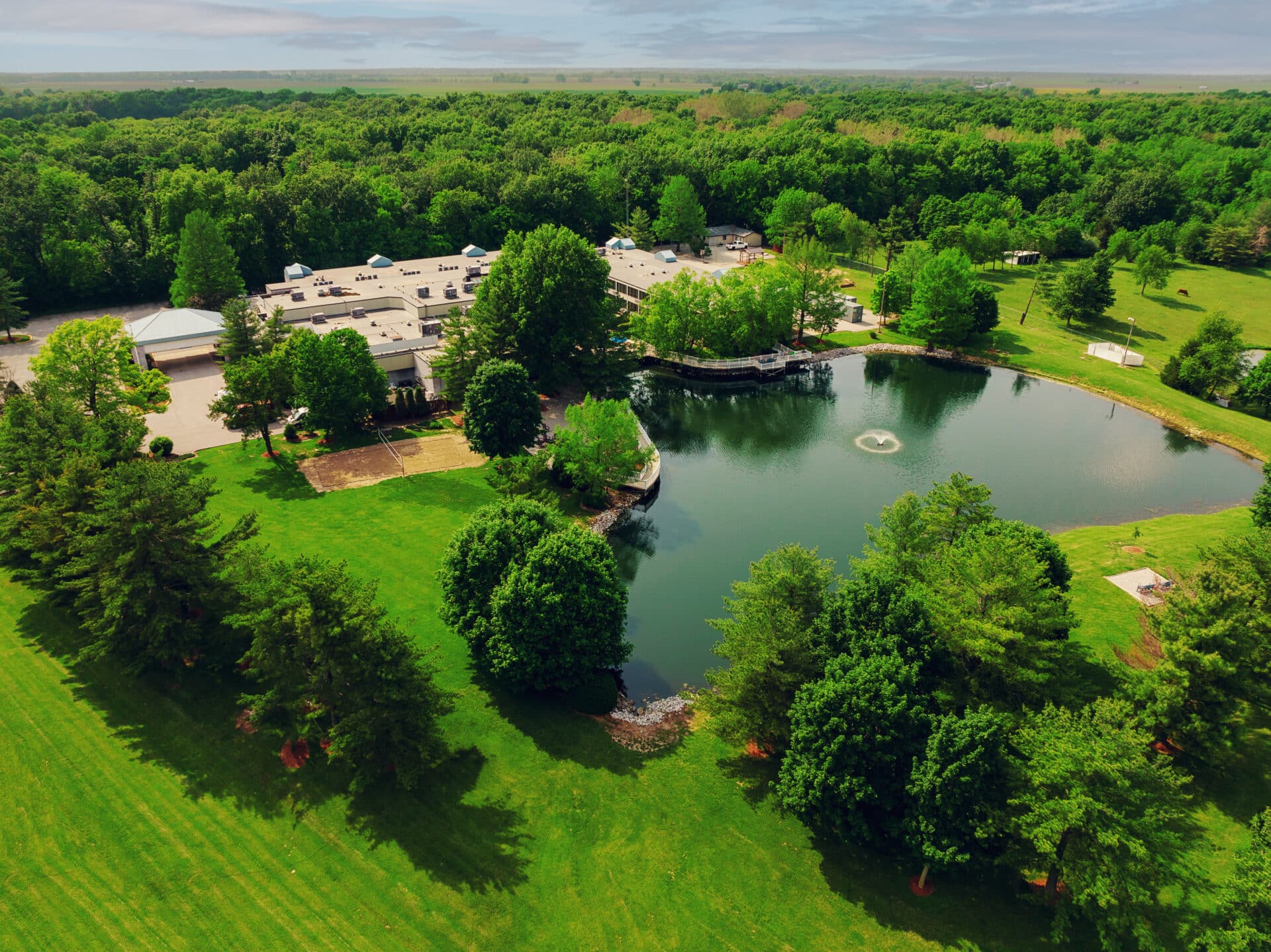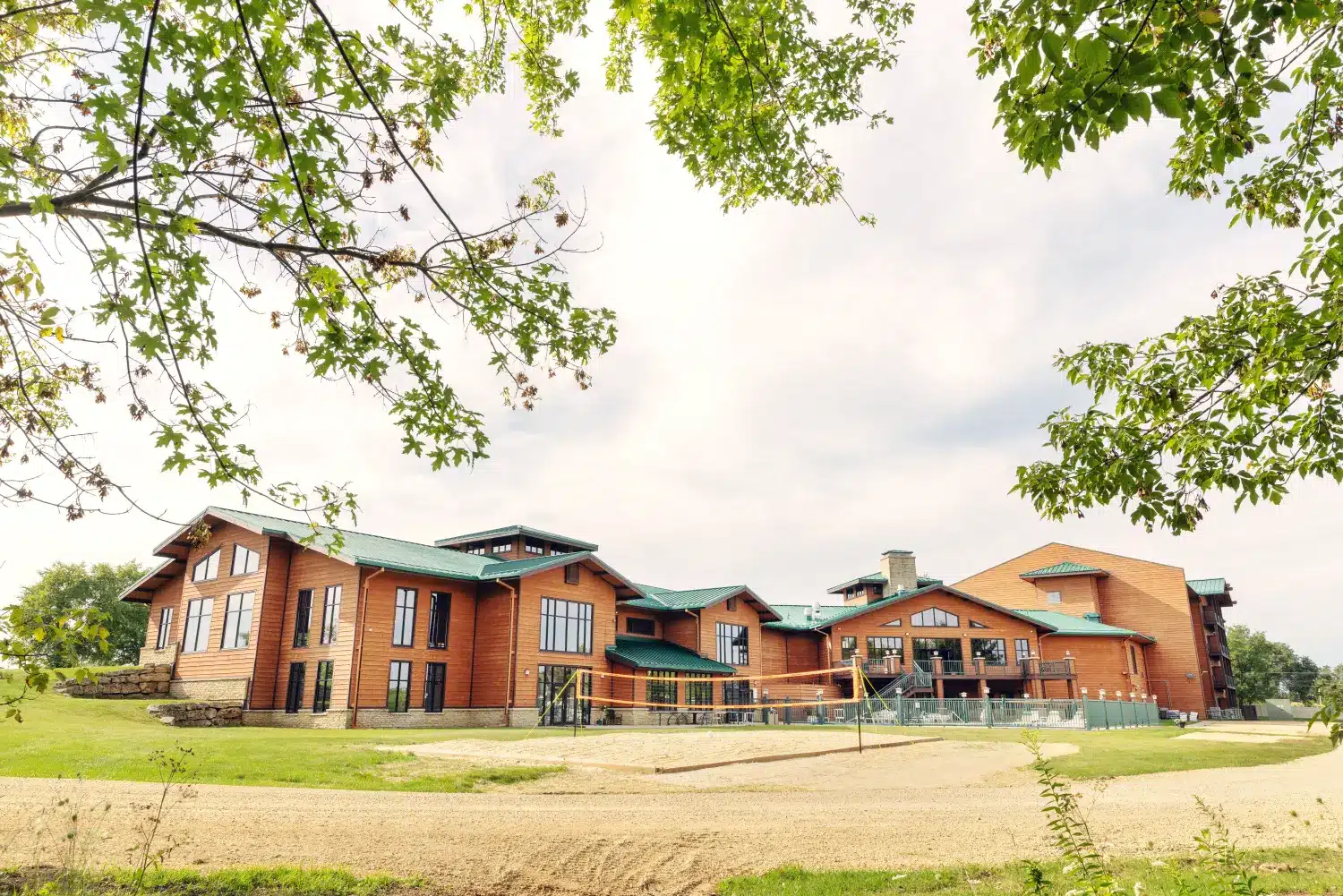
Mountain Springs Recovery - Monument, Colorado
GET HONEST & ACCURATE QUOTE
Fort Collins Drug & Addiction Rehab: Addiction Treatment Near Fort Collins
Upscale Colorado facility with medication assisted treatment and Non-12-Step program options
- Keep your phone and laptop
- Safe 24/7 monitored detox
- SMART options
- Dual diagnosis programs
- Long-term arrangements
- Thorough aftercare planning
- Located in Monument, CO
- Out of state options in CA, TX and IL
Check your coverage and get informed on admission process! Call us at:
 555-555-5555*
*HIPPA Compliant and 100% confidential
MAXIMIZE YOUR PPO COVERAGE WITH OUR HELP
We will work with insurance to get you the best possible coverage and minimize expenses.
When drinking or drug use begins shaping your days, finding help can feel like one more overwhelming responsibility. You may be keeping up with work, caring for your family, or attending classes while privately wondering how much longer you can manage. You may also be looking for treatment for someone you love and unsure how to start the conversation.
At Sunshine Behavioral Health, we help you take the next step with information, compassion, and a treatment plan built around your needs. For Fort Collins residents seeking residential drug and alcohol rehab, our Mountain Springs Recovery facility in Monument offers a place to step away from daily pressures and focus on recovery.
Our Colorado facility is in Monument, rather than within Fort Collins. Through Sunshine Behavioral Health, you can explore medical detox, residential treatment, support for co-occurring mental health conditions, and different approaches to building a life without substance use.
Contact Sunshine Behavioral Health to discuss treatment options, review your insurance benefits, and learn how to prepare for admission.
Finding Addiction Treatment That Fits Your Life in Fort Collins
The right treatment decision starts with understanding what you need. Some people can participate in outpatient care while living at home. Others need medical supervision during withdrawal or a residential setting where treatment becomes the main focus of each day.
Distance is one consideration, but it should not be the only one. Your substance use history, physical health, mental health, living environment, and previous treatment experiences all matter. A program that fits your clinical needs may be more useful than the closest available appointment.
Sunshine Behavioral Health can help you understand whether our Monument program may be appropriate. When you contact us, you do not need to know the difference between every level of care or have your entire recovery plan figured out. Start with what has been happening and what you would like to change.
When Should You Consider Drug or Alcohol Rehab?
You do not have to lose your job, end a relationship, or experience a medical emergency before asking for help. Substance use can become harmful long before those events happen.
Consider seeking an assessment if you recognize patterns such as:
- Using more alcohol or drugs than you intended.
- Repeatedly trying to cut back without being able to maintain the change.
- Spending increasing amounts of time using substances or recovering afterward.
- Feeling strong urges to drink or use drugs.
- Continuing to use despite conflict, health concerns, or financial problems.
- Missing responsibilities or giving up activities that once mattered to you.
- Needing more of a substance to get a similar effect.
- Experiencing symptoms when you stop or reduce use.
- Hiding how much you use or planning your day around access to substances.
Being able to function in some areas of life does not rule out a substance use disorder. You deserve support even when the problem is difficult for other people to see.
When More Structure May Help
Residential care may be worth considering when your home environment makes it difficult to avoid substance use, previous attempts at recovery have not lasted, or you need more support than occasional appointments provide.
It can also create room to address several concerns together. For example, someone struggling with alcohol use, anxiety, and disrupted sleep may need a coordinated plan rather than separate efforts that never quite connect. A clinical assessment helps determine the appropriate setting; residential rehab is not necessary for everyone.
Medical Detox for Fort Collins Residents
Detox addresses the early period of withdrawal and stabilization. Whether you need it depends on the substances involved, the pattern and duration of use, your symptoms, and your medical history.
At our Monument facility, Sunshine Behavioral Health offers access to medically supervised detox. The purpose is to monitor your condition, manage withdrawal as clinically appropriate, and prepare you for the next stage of treatment.
Do Not Assume Withdrawal Is Safe to Manage Alone
Alcohol withdrawal can be life-threatening after prolonged heavy drinking. Before stopping, seek medical advice if you drink heavily or have experienced withdrawal symptoms in the past. A history of severe withdrawal is especially important to share with a clinician.
Tell the assessment team about every substance and medication you take, including prescriptions, supplements, and substances used only occasionally. This helps clinicians evaluate your needs more accurately. Do not change prescribed medication without discussing it with a qualified medical professional.
If someone is unconscious, has difficulty breathing, has a seizure, or appears to be experiencing an overdose or another medical emergency, call 911 immediately. Do not wait for a rehab admission.
Detox Is the Beginning of Treatment
Getting through withdrawal does not resolve all the factors involved in addiction. After stabilization, ongoing care can help you understand patterns of use, respond to cravings, develop coping skills, and prepare for challenges outside treatment.
At Sunshine Behavioral Health, the next step is based on your assessment and clinical needs. The goal is to connect early stabilization with meaningful recovery work.
Substance Use Concerns We Can Help You Address
Addiction treatment should account for the specific substances involved without reducing your identity to a diagnosis. Our Colorado program provides care for a range of drug and alcohol use concerns.
Alcohol Addiction
Alcohol problems may involve daily drinking, recurring binges, or drinking that gradually becomes harder to control. In treatment, important questions include when you drink, what happens afterward, and what makes it difficult to stop. Your plan can address both immediate safety needs and the situations you associate with drinking.
Opioid Addiction
Opioid use concerns may involve heroin, fentanyl, or prescription pain medications. Treatment planning should consider withdrawal, overdose risk, medication options, pain concerns, and continuing support. Tell our team about previous treatment and any medications you already receive for opioid use disorder.
Benzodiazepines and Other Sedatives
If sedative use has become difficult to control, an assessment can help distinguish physical dependence, misuse, and other treatment needs. Be open about prescribed and nonprescribed use. Your care team needs that information to plan safely and address the symptoms or circumstances connected with your use.
Cocaine, Methamphetamine, and Other Stimulants
Treatment for stimulant use can explore the role of energy, stress, social situations, and pressure to perform. Recovery work may include identifying high-risk situations and practicing different responses to the thoughts and routines associated with use.
Marijuana and Use of Multiple Substances
Cannabis use deserves attention when it repeatedly interferes with your goals or becomes difficult to reduce. Using several substances also requires a complete assessment, even if you consider only one of them the main problem. At Sunshine Behavioral Health, we encourage an honest discussion of the full picture so the treatment plan reflects your actual needs.
Residential Addiction Treatment at Our Monument Facility
In residential rehab, you live at the treatment facility while participating in a structured program. That arrangement gives you time to work on recovery without returning each evening to the same circumstances that may have supported substance use.
Sunshine Behavioral Health connects Fort Collins residents with residential care at Mountain Springs Recovery. Treatment is individualized, with medical and therapeutic needs informing the plan.
A Thorough Starting Assessment
Your treatment team needs to understand more than the name of the substance you use. Assessment can include your health history, current medications, mental health concerns, previous recovery efforts, support system, and goals.
This is also an opportunity to explain what has made treatment difficult before. If you felt misunderstood, had trouble with a particular recovery approach, or struggled after returning home, those experiences can inform the next plan.
Individual Therapy
Private sessions create space to talk about concerns that may be difficult to share in a group. You can explore patterns, relationships, and decisions connected to substance use and work toward specific changes.
Useful goals might include learning how to ask for support earlier, handling conflict without using, or recognizing when stress is turning into an urge to drink. Recovery skills become more practical when they connect to real situations in your life.
Group Therapy and Recovery Education
Group work offers opportunities to hear different perspectives, practice communication, and recognize that other people face similar challenges. Recovery education can help you understand the treatment process and develop a clearer plan for responding to triggers.
You do not need to arrive feeling comfortable discussing everything. Participation is a skill you can develop as you settle into treatment.
Dual Diagnosis Care: Addressing Mental Health Alongside Addiction
When substance use and mental health concerns occur together, treatment needs to consider both. Sunshine Behavioral Health offers access to dual-diagnosis care at our Colorado facility.
An assessment can explore concerns such as anxiety, depression, trauma-related symptoms, and mood difficulties. Your treatment team can discuss how those concerns relate to substance use and what support may be appropriate.
Not every difficult feeling represents a separate diagnosis. Clinicians need time and context to understand your symptoms, including how you feel during stabilization. Coordinated care helps avoid treating substance use as an isolated issue when other concerns also need attention.
Different Paths to Recovery
People bring different beliefs, preferences, and experiences to treatment. At Sunshine Behavioral Health, you can discuss recovery approaches rather than assuming there is only one acceptable path.
12-Step Support
For some people, 12-Step participation provides a helpful framework for connection, accountability, and ongoing support. It may also introduce a community they can continue engaging with after residential treatment.
Non-12-Step Options and SMART Recovery
Our Monument facility also offers non-12-Step options, including SMART Recovery. If you prefer a different framework or have not connected with a previous program, share that with our team. Understanding your preferences can help make recovery participation more meaningful.
Medication Support When Appropriate
Medication may be part of addiction treatment when clinically indicated. It is not required for every person, and the appropriate approach depends on the diagnosis and medical assessment.
Ask our team which medication services are available for your situation, whether an existing prescription can continue during treatment, and how medication follow-up would be arranged afterward. Those details should be discussed before admission whenever possible.
What Might a Day in Rehab Include?
A residential treatment day generally brings together scheduled sessions, meals, recovery education, and time to rest or reflect. Your actual schedule depends on your phase of treatment and clinical needs.
The structure gives you repeated opportunities to practice new habits. That could mean attending a session even when you feel uncomfortable, asking for help before a craving escalates, or taking time to process a difficult conversation.
Rest, nourishing meals, movement as appropriate, and consistent routines can support the work of treatment. These activities complement clinical care and help you think about what a manageable routine might look like when you return home.
Can You Bring Your Phone or Laptop?
Mountain Springs Recovery is a phone- and laptop-friendly facility. You can keep up with work or stay in touch with family using your devices. However, access to a device does not remove the need to make time for treatment, so it helps to establish realistic expectations with your employer and loved ones.
Preparing to Travel From Fort Collins to Monument
Residential treatment at our Colorado facility requires traveling south from Fort Collins to Monument. Confirm the arrival address, admission time, and transportation arrangements with our team before leaving. Allow room in your plans for traffic and weather conditions.
If you are intoxicated, experiencing withdrawal, or otherwise medically unstable, do not drive yourself. Ask a medical professional about safe next steps and speak with admissions about arrival planning.
Before admission, consider arranging:
- Childcare, pet care, and help with household responsibilities.
- Time away from work or school.
- Automatic payments or a trusted person to help with urgent bills.
- A current medication list and the information requested by admissions.
- Comfortable clothing and approved personal items from the packing list.
- A reliable contact who can help with practical matters while you are away.
You do not have to resolve every inconvenience before seeking help. Start the conversation with Sunshine Behavioral Health so you can identify which arrangements are necessary and which can wait.
Helping a Loved One Consider Treatment
If you are concerned about someone in Fort Collins, choose a calm moment to talk. Describe specific things you have observed, explain why you are worried, and offer a concrete form of support.
For example, you might offer to sit with them while they contact Sunshine Behavioral Health or help organize transportation if they decide to enter care. Listening can be more productive than debating whether their substance use is “bad enough.”
You can also ask our team what an assessment involves and how family members may be included, with the person’s consent and within privacy requirements. Support does not require ignoring your own boundaries or taking responsibility for every decision your loved one makes.
Paying for Drug and Alcohol Rehab
The cost of care depends on the services you need, the length of treatment, and your insurance benefits. Insurance verification can help you understand the financial side before admission.
Ask Sunshine Behavioral Health to review your plan and discuss network status, deductibles, coinsurance, authorization requirements, and potential out-of-pocket costs. Coverage varies by policy and clinical circumstances; verification is not a guarantee that every service will be paid.
If insurance is unavailable or does not cover the recommended care, ask about current self-pay arrangements and other appropriate treatment resources. Clear information helps you make a decision with fewer financial surprises.
Start With a Conversation With Sunshine Behavioral Health
You may feel ready to enter treatment, or you may still be deciding whether you need it. Either way, you can begin by speaking with someone who will help you understand the options.
Sunshine Behavioral Health can discuss your concerns, review admission requirements, and help determine whether care at our Monument facility may fit your needs. You do not need to wait for substance use to cause another crisis before reaching out.
Contact Sunshine Behavioral Health today to explore drug and alcohol treatment for Fort Collins residents and take the next step toward recovery.
Frequently Asked Questions About Fort Collins Addiction Rehab
Does Sunshine Behavioral Health have a rehab facility in Fort Collins?
The treatment facility described on this page is Mountain Springs Recovery in Monument. Sunshine Behavioral Health helps Fort Collins residents explore admission to our Colorado program; residential treatment takes place in Monument.
Can I enter residential treatment without first going through detox?
Possibly. Some people need detox before participating fully in residential care, while others do not. A clinical assessment helps determine your starting point. Share your recent use and any withdrawal history so the team can evaluate your needs.
How long will I need to stay in rehab?
Your recommended length of care depends on your assessment, progress, and continuing needs. Rather than assuming a fixed number of days will fit everyone, ask our team how treatment length is determined and how insurance authorization may affect planning.
Can I receive help if I have already been to rehab?
Yes. Contact Sunshine Behavioral Health to discuss your history and current concerns. Previous treatment gives the assessment team information about what helped, what was difficult, and what support may have been missing afterward.
Will I have to follow a 12-Step program?
Our Monument facility offers both 12-Step and non-12-Step options, including SMART Recovery. Discuss your preferences with admissions and your clinical team to understand how those choices fit into your treatment plan.
Can I keep working remotely during treatment?
The facility allows phones and laptops, but treatment participation must remain a priority. Discuss your work demands before admission. A limited, planned obligation may be very different from trying to maintain a full workday alongside residential care.
What if I need help immediately?
Call 911 for an overdose, severe medical symptoms, or immediate danger. For suicidal thoughts or a mental health crisis, call or text 988. For questions about entering addiction treatment, contact Sunshine Behavioral Health to discuss current admission options.
Medical disclaimer:
Sunshine Behavioral Health strives to help people who are facing substance abuse, addiction, mental health disorders, or a combination of these conditions. It does this by providing compassionate care and evidence-based content that addresses health, treatment, and recovery.
Licensed medical professionals review material we publish on our site. The material is not a substitute for qualified medical diagnoses, treatment, or advice. It should not be used to replace the suggestions of your personal physician or other health care professionals.