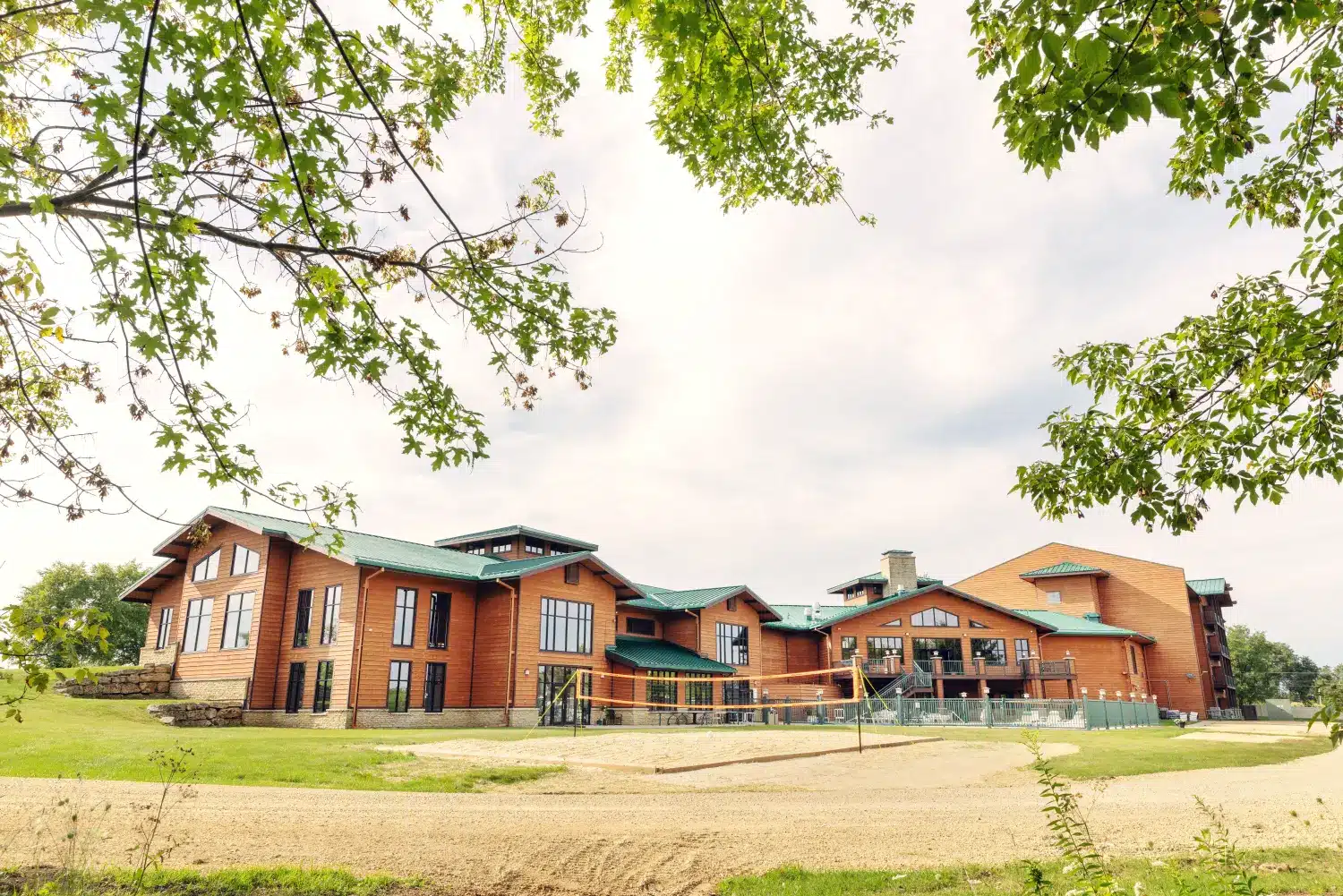
Mountain Springs Recovery - Monument, Colorado
GET HONEST & ACCURATE QUOTE
Grand Junction Detox Center
Upscale Colorado facility with medication assisted treatment and Non-12-Step program options
- Keep your phone and laptop
- Safe 24/7 monitored detox
- SMART options
- Dual diagnosis programs
- Long-term arrangements
- Thorough aftercare planning
- Located in Monument, CO
- Out of state options in CA, TX and IL
Check your coverage and get informed on admission process! Call us at:
 555-555-5555*
*HIPPA Compliant and 100% confidential
MAXIMIZE YOUR PPO COVERAGE WITH OUR HELP
We will work with insurance to get you the best possible coverage and minimize expenses.
When drugs or alcohol have become part of your daily routine, the thought of stopping can be intimidating. You may be concerned about withdrawal symptoms, unsure whether you can safely detox at home, or worried about what happens after the substances leave your system.
At Sunshine Behavioral Health, we help individuals in Grand Junction, Colorado, take the first steps toward recovery through medically supervised detox and personalized addiction treatment.
Although we do not operate a detox facility directly in Grand Junction, we welcome residents of Mesa County and Colorado’s Western Slope to our Mountain Springs Recovery facility in Monument, Colorado. Here, individuals can receive professional withdrawal management, medical monitoring, and continued addiction treatment in a comfortable residential setting.
Whether you are struggling with alcohol, opioids, prescription medications, or other substances, our goal is to make the beginning of recovery as safe, manageable, and supportive as possible.
Contact Sunshine Behavioral Health today to learn about our detox programs, verify your insurance coverage, and explore your treatment options.
Medical Detox for Grand Junction Residents
Detoxification is the process of allowing drugs or alcohol to leave your body while managing the physical and psychological effects of withdrawal.
When someone regularly uses an addictive substance, their body may adapt to its presence. Suddenly stopping or significantly reducing that substance can trigger withdrawal symptoms that range from uncomfortable to potentially life-threatening.
The severity of withdrawal depends on several factors, including:
- The substance or combination of substances being used
- How frequently and how long the person has been using
- The amount typically consumed
- Previous withdrawal experiences
- Underlying medical conditions
- Co-occurring mental health disorders
- Whether multiple substances are involved
For some individuals, withdrawal causes temporary symptoms such as nausea, headaches, fatigue, and difficulty sleeping. Others may experience more serious complications requiring immediate medical attention.
A medically supervised detox program provides an environment where healthcare professionals can monitor symptoms, address complications, and use medications when clinically appropriate.
Sunshine Behavioral Health helps Grand Junction residents access these services through our Colorado addiction treatment facility in Monument.
Why Choose Medical Detox Instead of Detoxing at Home?
Attempting to detox without professional guidance can create unnecessary risks, particularly for individuals who have developed significant physical dependence.
Alcohol and benzodiazepine withdrawal, for example, can cause seizures and other dangerous complications. Opioid withdrawal is often intensely uncomfortable and can lead to dehydration and a return to substance use.
Professional detox offers several advantages.
- Medical supervision: Healthcare professionals can observe withdrawal symptoms, monitor vital signs, and respond when additional care is needed.
- Withdrawal symptom management: Depending on the substance and individual circumstances, medical providers may prescribe medications to help manage discomfort or reduce the risk of complications.
- A structured environment: Residential detox removes many of the daily pressures and opportunities for substance use that can make withdrawal at home more difficult.
- Emotional support: Anxiety, irritability, depression, and strong cravings can accompany withdrawal. A supportive treatment environment helps patients navigate these experiences.
- A pathway into continued treatment: Detox addresses physical dependence, but it does not resolve every factor contributing to addiction. Continued treatment can help individuals address cravings, behavioral patterns, and mental health concerns.
At Sunshine Behavioral Health, we view detox as the beginning of recovery rather than the entire treatment process.
Drug & Alcohol Detox Programs Near Grand Junction
Different substances affect the body in different ways, which means withdrawal management should be tailored to the individual.
Our admissions team can help determine whether our Colorado facility is appropriate for your situation and explain the treatment options available.
Alcohol Detox
Alcohol withdrawal can begin within hours after a person significantly reduces or stops drinking. Symptoms may include anxiety, sweating, nausea, tremors, increased heart rate, and difficulty sleeping.
In more severe cases, alcohol withdrawal can cause hallucinations, seizures, or delirium tremens, a potentially life-threatening condition involving severe confusion and disturbances in the nervous system.
People who drink heavily or regularly should speak with a healthcare professional before abruptly stopping alcohol use.
Through Sunshine Behavioral Health, Grand Junction residents can access medically supervised alcohol detox in an environment where symptoms are monitored and treatment can be adjusted according to individual needs.
Following stabilization, patients may benefit from residential alcohol addiction treatment to address cravings, drinking triggers, and the behaviors associated with alcohol dependence.
Opioid Detox
Opioid dependence can develop through the use of prescription pain medications or illicit opioids like heroin.
Common opioid withdrawal symptoms include:
- Muscle aches and body pain
- Nausea, vomiting, and diarrhea
- Sweating and chills
- Restlessness and anxiety
- Insomnia
- Abdominal cramping
- Intense cravings
Although opioid withdrawal is generally less likely to cause seizures than severe alcohol withdrawal, it can still create substantial physical and emotional distress.
Medical professionals can assess symptoms and determine whether medication-assisted approaches are appropriate.
Importantly, completing opioid detox without ongoing treatment can increase overdose risk if a person returns to using opioids after their tolerance has decreased.
Sunshine Behavioral Health emphasizes continued addiction treatment and individualized care planning to help patients navigate the transition from withdrawal management into longer-term recovery.
Prescription Drug Detox
Prescription medications can cause physical dependence even when they were initially taken for legitimate medical reasons.
Substances that may require professional withdrawal management include certain prescription opioids and benzodiazepines, such as Xanax, Valium, and Klonopin.
Benzodiazepine withdrawal requires particular caution because suddenly stopping these medications can trigger serious complications, including seizures.
In some cases, medically supervised withdrawal involves a gradual medication reduction rather than immediate discontinuation.
Our team helps individuals seeking prescription drug detox understand their options and determine whether our facility can safely accommodate their needs.
Methamphetamine & Stimulant Detox
Methamphetamine, cocaine, and other stimulants can produce significant psychological withdrawal symptoms.
Individuals may experience profound fatigue, disrupted sleep, depression, irritability, increased appetite, or strong cravings after discontinuing use.
Unlike alcohol or benzodiazepine withdrawal, stimulant withdrawal generally does not involve the same risk of withdrawal-related seizures. However, severe depression, suicidal thoughts, or other psychiatric symptoms may require urgent evaluation.
Medical and behavioral health support can help patients manage symptoms while preparing for continued addiction treatment.
For Grand Junction residents struggling with stimulant use, Sunshine Behavioral Health offers access to individualized assessment and treatment planning.
Detox From Multiple Substances
Some individuals use several substances simultaneously, such as alcohol and prescription medications or opioids and stimulants.
Withdrawal from multiple substances can be more complicated because the substances may interact, and their withdrawal symptoms can overlap.
It is important to disclose all substance use, including prescription medications, supplements, and alcohol, during the admissions assessment.
This information helps our clinical team determine the most appropriate level of care.
What to Expect During Detox at Sunshine Behavioral Health
Uncertainty about detox can prevent people from seeking treatment. Understanding the process can make the decision to get help feel more approachable.
While every person’s experience is different, medical detox generally involves several stages.
1. Confidential Assessment
The process begins with a conversation about your substance use, medical history, current symptoms, and treatment needs.
Our admissions team can answer questions about our programs, discuss insurance benefits, and help determine the appropriate next steps.
A clinical evaluation is necessary to establish whether our facility can safely meet your medical needs.
2. Medical Evaluation & Stabilization
Upon admission, medical professionals evaluate your physical condition and withdrawal risks.
This may include reviewing your medical history, assessing current symptoms, and monitoring vital signs.
The treatment team uses this information to develop an individualized withdrawal management plan.
3. Supervised Withdrawal Management
As withdrawal progresses, healthcare professionals monitor your condition and provide appropriate support.
Depending on your clinical needs, treatment may include medication management, hydration support, nutritional assistance, rest, and other measures intended to help you remain stable.
Withdrawal can be unpredictable, so ongoing observation is an important part of the process.
4. Preparation for Continued Addiction Treatment
Once the acute withdrawal phase has passed and you are medically stable, the focus can shift toward addressing the underlying substance use disorder.
Our team helps patients explore appropriate treatment options, which may include residential rehabilitation, individual counseling, group therapy, and mental health services.
The goal is to build upon the progress made during detox and prepare for the next phase of recovery.
Our Colorado Detox Facility: Mountain Springs Recovery
Grand Junction residents seeking detox through Sunshine Behavioral Health can receive treatment at Mountain Springs Recovery in Monument, Colorado.
Located along Colorado’s Front Range, the facility offers a residential treatment environment surrounded by mountain scenery and opportunities for recreation.
Facility address: 1865 Woodmoor Drive, Monument, CO 80132
The facility provides several services that can support different stages of addiction recovery, including:
- Medically supervised detox with 24-hour monitoring
- Residential drug and alcohol addiction treatment
- Individualized treatment planning
- Medication-assisted treatment options when clinically appropriate
- Individual and group counseling
- Treatment for co-occurring mental health conditions
- 12-Step and non-12-Step recovery approaches
- Life-skills education and recovery activities
- Aftercare and relapse prevention planning
A Comfortable Setting for Withdrawal & Early Recovery
Detox can be physically exhausting, particularly during the first several days.
We believe the environment in which someone receives treatment can make an important difference in their overall experience.
Our Colorado facility offers comfortable accommodations, prepared meals, recreational spaces, fitness opportunities, and access to outdoor activities as appropriate during treatment.
Patients can also maintain access to their phones and laptops under facility guidelines, helping them stay connected with loved ones when appropriate.
While amenities are not a substitute for medical care, a supportive environment can make it easier to focus on stabilization and recovery.
Why Grand Junction Residents May Consider Detox Outside Mesa County
Grand Junction is the largest city on Colorado’s Western Slope and serves as a regional center for healthcare, employment, and recreation.
Residents of Grand Junction, Clifton, Orchard Mesa, the Redlands, Fruita, and Palisade may begin their treatment search by looking for detox facilities within Mesa County.
However, finding the right detox program sometimes means considering facilities elsewhere in Colorado.
Distance From Familiar Triggers
For some people, remaining close to their usual environment can make the early stages of recovery more challenging.
Daily routines, relationships associated with substance use, and easy access to drugs or alcohol can create additional pressure when someone is trying to make a significant change.
Traveling to a residential treatment facility in another part of the state may provide some separation from those influences.
Although distance alone does not prevent relapse, it can create an opportunity to establish healthier routines without the same daily distractions.
Access to Continued Residential Treatment
Another consideration is what happens after detox.
Some facilities focus primarily on withdrawal management and require patients to arrange additional treatment elsewhere.
Through Sunshine Behavioral Health, eligible patients can transition from detox into residential addiction treatment at the same Monument facility, when clinically appropriate.
This continuity may reduce some of the logistical challenges involved in moving between treatment providers.
A Different Environment for Recovery
Grand Junction’s landscape is defined by the Colorado National Monument, the Grand Mesa, and the Colorado River.
Our Monument facility offers a different setting along the Front Range, with mountain views, open space, and a residential campus designed to support recovery.
For individuals who would benefit from a change of surroundings, this environment can provide a meaningful break from everyday routines.
Traveling From Grand Junction to Our Detox Facility
Mountain Springs Recovery is located several hours east of Grand Junction by car.
Travel generally involves Interstate 70 through the Rocky Mountains before continuing toward Monument along the Front Range.
Because Colorado’s mountain highways can experience winter storms, temporary closures, and changing travel conditions, patients and their families should plan transportation carefully.
Our admissions team can help explain the admission process and discuss practical considerations before your arrival.
Important: If you are already experiencing severe withdrawal symptoms, seizures, hallucinations, confusion, or another medical emergency, seek immediate medical care near Grand Junction rather than attempting a long-distance drive to our facility. Call 911 when emergency assistance is needed.
Detox & Dual-Diagnosis Treatment
Substance use disorders frequently occur alongside mental health conditions such as anxiety, depression, post-traumatic stress disorder, and other psychiatric concerns.
Sometimes, individuals begin using drugs or alcohol to cope with difficult emotions or untreated symptoms.
In other situations, ongoing substance use can contribute to the development or worsening of mental health problems.
When both conditions are present, treating only the physical symptoms of withdrawal may leave important issues unresolved.
Sunshine Behavioral Health provides access to dual-diagnosis treatment that considers the relationship between substance use and mental health.
Depending on the individual’s needs, continued care may involve:
- Assessment of co-occurring mental health conditions
- Individual counseling
- Group therapy
- Behavioral therapies
- Medication management when appropriate
- Stress management and coping skills
- Relapse prevention strategies
Our goal is to help patients develop a more complete understanding of their substance use and the factors affecting their recovery.
What Happens After Detox?
Completing detox is an important accomplishment, but it is not the same as completing addiction treatment.
Although the body may no longer be experiencing acute withdrawal, cravings, emotional difficulties, and patterns associated with substance use can continue.
Without an appropriate continuing-care plan, individuals may be vulnerable to returning to substance use.
At Sunshine Behavioral Health, we encourage patients to view detox as the first stage of a broader recovery process.
Residential Addiction Treatment
Residential treatment provides a structured environment where individuals can focus on recovery while receiving therapeutic support.
Patients may participate in individual counseling, group discussions, educational programming, and activities that support healthier daily routines.
The recommended length of treatment depends on the individual’s clinical needs and progress.
Relapse Prevention Planning
Recognizing triggers and developing effective responses to cravings are important parts of recovery.
Treatment may focus on identifying high-risk situations, strengthening coping skills, improving communication, and building supportive relationships.
Patients can also explore practical ways to manage stress without returning to substance use.
Returning Home to Grand Junction
For patients who plan to return to Grand Junction following residential treatment, discharge planning is an important part of the process.
Our team can help identify appropriate continuing-care options, which may include outpatient counseling, medication management, peer support, or other community-based resources.
A recovery plan should account for the challenges of transitioning from a structured treatment environment back into everyday life.
Paying for Detox With Health Insurance
The cost of detox is a common concern for individuals and families considering addiction treatment.
Health insurance may cover some or all medically necessary withdrawal management services, depending on the policy, provider network, and applicable benefits.
Sunshine Behavioral Health works with a variety of health insurance providers and can assist with verifying benefits before admission.
Coverage considerations may include:
- Whether the treatment facility is in-network
- The patient’s deductible
- Copayments or coinsurance requirements
- Medical necessity criteria
- Prior authorization requirements
- Coverage for residential treatment following detox
Our admissions team can review your insurance information and help explain potential out-of-pocket expenses.
We also encourage individuals without insurance to contact us about available self-pay options.
Verify your insurance benefits with Sunshine Behavioral Health to better understand your treatment options and potential costs.
How to Choose a Detox Center Near Grand Junction
Not every detox program offers the same services or level of medical supervision.
When evaluating detox centers in Grand Junction or elsewhere in Colorado, consider asking the following questions.
Does the Facility Provide the Appropriate Level of Medical Care?
The right level of supervision depends on withdrawal risks, medical conditions, and the substances involved.
Ask whether the program can manage your anticipated withdrawal symptoms and what happens if medical complications arise.
Is Treatment Individualized?
Withdrawal management should account for each patient’s medical history, substance use patterns, and other health concerns.
A program that evaluates these factors can develop a more appropriate treatment plan.
Is Mental Health Support Available?
If you experience anxiety, depression, trauma-related symptoms, or another mental health condition, ask whether the facility can provide appropriate assessment and treatment.
What Happens After Detox?
Determine whether the program offers residential rehabilitation or can coordinate continued treatment with another provider.
A clear continuing-care plan is particularly important for individuals with a history of relapse.
Does the Facility Accept Your Insurance?
Before committing to treatment, request a benefits review and ask about any anticipated out-of-pocket expenses.
Sunshine Behavioral Health can help prospective patients explore these questions and determine whether our Monument treatment facility is an appropriate option.
Begin Your Recovery With Sunshine Behavioral Health
You do not have to wait until substance use has caused severe consequences before asking for help.
Whether you are concerned about your own drinking or drug use or searching for treatment for someone you love, a conversation with our admissions team can help clarify your options.
Sunshine Behavioral Health welcomes individuals from Grand Junction and surrounding Western Slope communities who are seeking medically supervised detox and continued addiction treatment.
At our Colorado facility in Monument, patients can receive professional support during withdrawal and explore treatment programs designed to address the physical, emotional, and behavioral aspects of addiction.
We understand that deciding to enter treatment can bring up difficult questions about work, family responsibilities, finances, and what recovery will look like.
Our team is here to help you understand the process and make an informed decision about your next steps.
Contact Sunshine Behavioral Health today to speak with our admissions team, verify your insurance benefits, and learn more about medical detox options for Grand Junction residents.
Grand Junction Detox Center FAQs
Does Sunshine Behavioral Health Have a Detox Center in Grand Junction?
Sunshine Behavioral Health does not operate a physical detox center in Grand Junction. We serve Grand Junction residents through our Mountain Springs Recovery facility in Monument, Colorado. The facility offers medically supervised detox and residential addiction treatment.
Where Is the Nearest Sunshine Behavioral Health Detox Facility to Grand Junction?
Our Colorado treatment facility is located at 1865 Woodmoor Drive in Monument, Colorado. Grand Junction residents considering treatment can contact our admissions team to learn more about the facility, discuss their clinical needs, and plan for admission.
Is Medical Detox Necessary for Alcohol Withdrawal?
Medical supervision is especially important for individuals who have been drinking heavily or regularly, have a history of withdrawal complications, or have significant medical conditions. Severe alcohol withdrawal can lead to seizures or other life-threatening symptoms. A qualified healthcare professional can assess the safest level of care.
Can I Go Directly From Detox Into Residential Rehab?
Yes, when clinically appropriate and admission requirements are met, patients may transition from detox into residential addiction treatment at our Monument facility. This allows individuals to continue addressing their substance use disorder after the acute withdrawal phase.
How Long Will I Need to Stay at a Detox Center?
The duration depends on the substances involved, the severity of dependence, medical history, and individual withdrawal symptoms. Some people need several days of acute withdrawal management, while others require longer supervision or ongoing medication adjustments. Our clinical team determines recommendations based on each patient’s circumstances.
Does Insurance Cover Detox Treatment in Colorado?
Many health insurance policies provide benefits for medically necessary addiction treatment, including detox. However, coverage varies by plan and facility network. Sunshine Behavioral Health can help verify your benefits and explain potential treatment costs before admission.
Can I Detox at Home Instead of Going to a Facility?
Some individuals with mild withdrawal symptoms may be appropriate candidates for outpatient withdrawal management under medical supervision. Others require a more intensive setting. Suddenly stopping alcohol or benzodiazepines can be dangerous, and attempting withdrawal without an assessment may create serious risks. Speak with a healthcare professional before deciding to detox at home.
Can Family Members Help Someone Get Admitted to Detox?
Family members can contact Sunshine Behavioral Health to learn about our admissions process and discuss treatment options for a loved one. Our team can explain what information is needed, how assessments work, and what steps may be appropriate. The prospective patient’s participation and consent, along with clinical eligibility, are important considerations.
What Should I Bring to Detox?
Recommended items may include comfortable clothing, personal hygiene products, identification, insurance information, and a current medication list. Before traveling from Grand Junction, contact our admissions team for the facility’s current packing instructions, medication requirements, and information about restricted items.
What If I Need Emergency Detox Services in Grand Junction?
If you are experiencing a medical emergency, severe withdrawal, seizures, significant confusion, or other dangerous symptoms, seek immediate assistance at a local emergency department or call 911. Emergency stabilization should take priority over traveling to a residential detox facility.
Medical disclaimer:
Sunshine Behavioral Health strives to help people who are facing substance abuse, addiction, mental health disorders, or a combination of these conditions. It does this by providing compassionate care and evidence-based content that addresses health, treatment, and recovery.
Licensed medical professionals review material we publish on our site. The material is not a substitute for qualified medical diagnoses, treatment, or advice. It should not be used to replace the suggestions of your personal physician or other health care professionals.