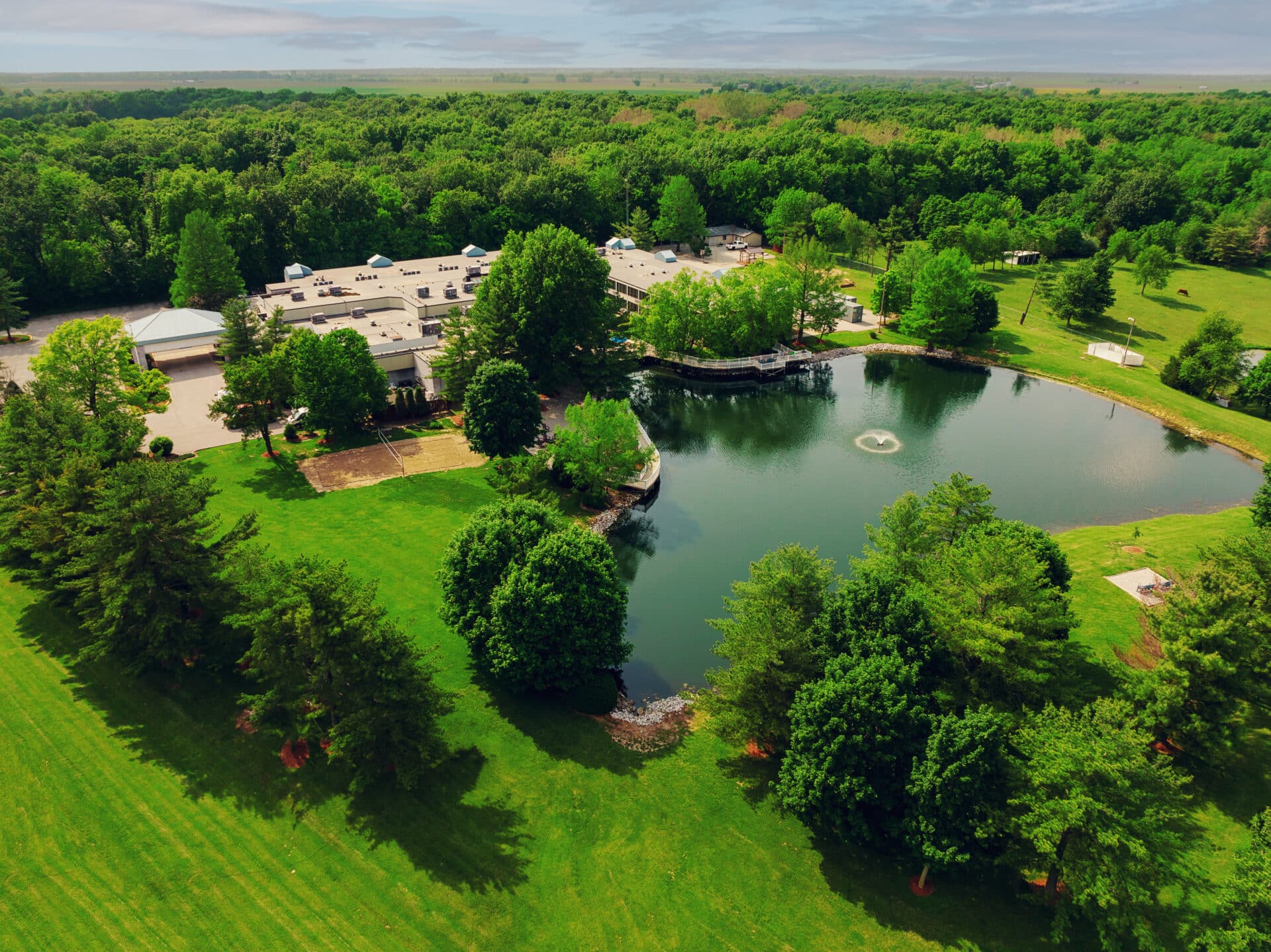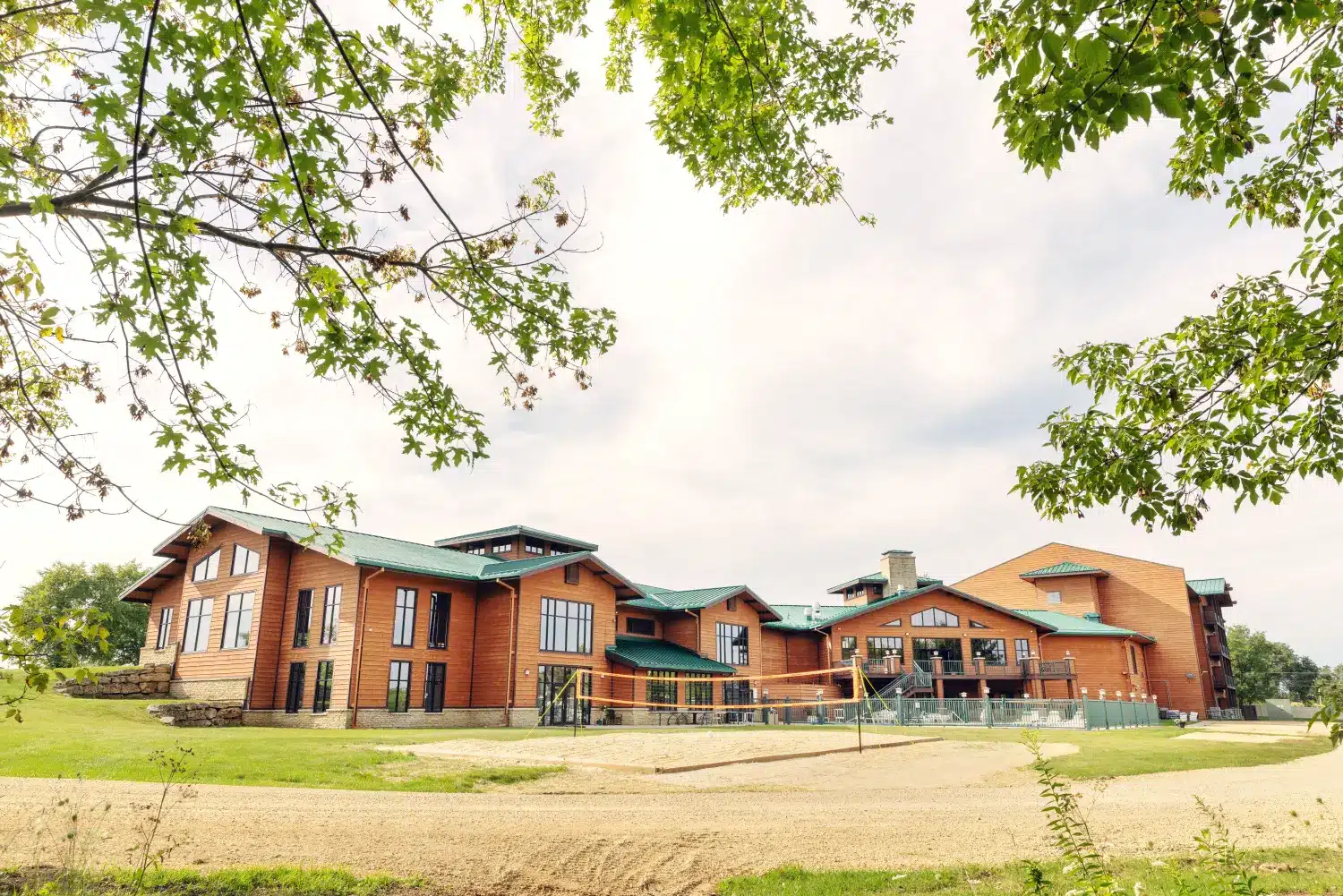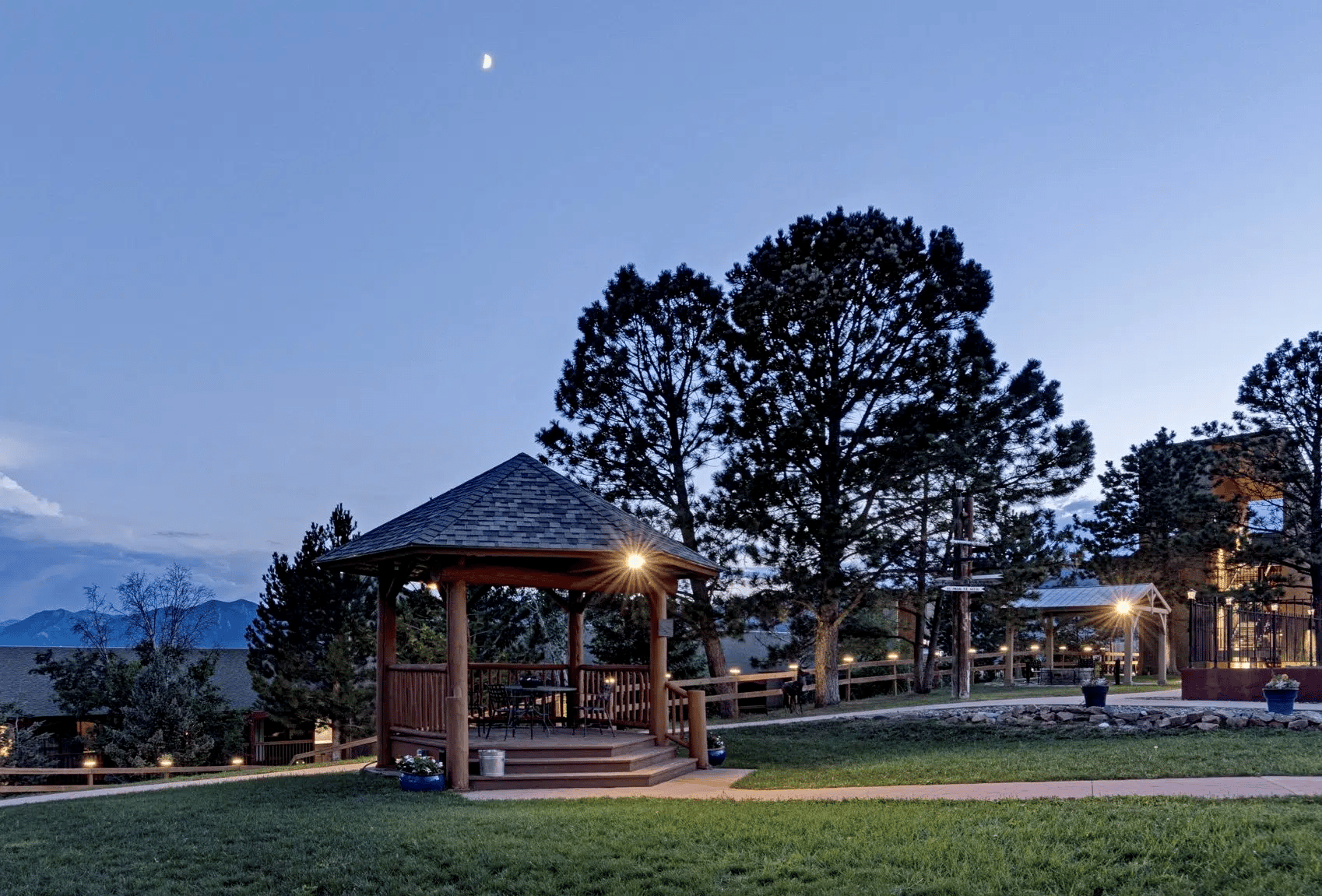
Mountain Springs Recovery - Monument, Colorado
GET HONEST & ACCURATE QUOTE
Greeley Drug & Addiction Rehab: Addiction Treatment Near Greeley
Upscale Colorado facility with medication assisted treatment and Non-12-Step program options
- Keep your phone and laptop
- Safe 24/7 monitored detox
- SMART options
- Dual diagnosis programs
- Long-term arrangements
- Thorough aftercare planning
- Located in Monument, CO
- Out of state options in CA, TX and IL
Check your coverage and get informed on admission process! Call us at:
 555-555-5555*
*HIPPA Compliant and 100% confidential
MAXIMIZE YOUR PPO COVERAGE WITH OUR HELP
We will work with insurance to get you the best possible coverage and minimize expenses.
If drugs or alcohol are affecting your health, relationships, work, or ability to manage daily life, you do not have to wait for the situation to become worse before seeking help. Sunshine Behavioral Health helps people from Greeley and communities throughout Northern Colorado access personalized addiction treatment in a supportive residential environment.
Our admissions team can help you understand your treatment options, determine whether medical detox or residential care may be appropriate, and review your available insurance benefits. For Greeley residents who need structured treatment away from home, Sunshine Behavioral Health can facilitate admission to Mountain Springs Recovery, our Colorado treatment facility in Monument.
Although Mountain Springs Recovery is located outside Greeley, traveling for treatment can provide valuable separation from the people, places, pressures, and routines connected to substance use. Clients can remain in Colorado while focusing on recovery in a peaceful setting away from their everyday triggers.
When Is It Time to Seek Professional Addiction Treatment?
Addiction does not always look the way people expect. A person does not have to lose their job, experience homelessness, or reach a medical crisis before treatment is justified. Substance use disorder can affect people of all ages, professions, family situations, and financial backgrounds.
It may be time to speak with Sunshine Behavioral Health if you or someone you care about:
- Regularly uses more alcohol or drugs than intended
- Has tried to reduce or stop using but has been unable to do so
- Experiences cravings that are difficult to manage
- Needs increasing amounts of a substance to experience the same effects
- Feels sick, anxious, restless, or physically uncomfortable without the substance
- Uses alcohol or drugs to manage stress, trauma, anxiety, depression, or sleep problems
- Misses work, school, appointments, or family obligations because of substance use
- Continues using despite relationship, health, financial, or legal consequences
- Engages in dangerous behavior while intoxicated
- Combines multiple substances
- Conceals the amount or frequency of substance use
- Has experienced an overdose or other substance-related medical emergency
- Spends significant time obtaining, using, or recovering from substances
- Has lost interest in activities that were once important
- Feels that everyday life has become centered around alcohol or drugs
You do not need to determine the severity of the problem on your own. Sunshine Behavioral Health can discuss what has been happening and help identify an appropriate next step.
If someone is unconscious, experiencing breathing difficulties, having a seizure, showing signs of an overdose, or presenting an immediate danger to themselves or others, call 911. For an immediate mental health or suicide crisis, call or text 988.
Addiction Treatment for Greeley Residents
No single treatment plan is right for everyone. The level of care someone needs can depend on the substances being used, the duration and frequency of use, previous attempts at recovery, withdrawal risks, physical health, mental health, living environment, and available support system.
Some Greeley residents may be able to begin with outpatient treatment while continuing to live at home. Others need the structure and separation provided by medical detox and residential addiction treatment.
Sunshine Behavioral Health helps prospective clients and their families consider questions such as:
- Is withdrawal likely to be medically dangerous?
- Has the person been unable to remain sober in their current environment?
- Are drugs or alcohol readily available at home?
- Are family conflict, work stress, or social relationships contributing to substance use?
- Is there a co-occurring mental health condition?
- Has outpatient treatment been attempted without lasting success?
- Does the individual need continuous structure and accountability?
- Would time away from Greeley make it easier to focus on recovery?
When residential treatment is appropriate, Greeley residents may be referred to Mountain Springs Recovery, Sunshine Behavioral Health’s treatment facility in Monument, Colorado.
Why Travel Outside Greeley for Residential Rehab?
Greeley has local behavioral health and recovery resources, but receiving treatment close to home is not always the best option. Remaining in the same environment can make it difficult to interrupt established behaviors, particularly when substances, social pressures, relationship conflict, or other triggers are nearby.
Traveling from Greeley to a residential program can offer several advantages.
Create Distance From Everyday Triggers
People often associate substance use with particular locations, relationships, routines, or stressful circumstances. Leaving that environment temporarily can reduce immediate exposure to triggers and create space for healthier patterns to develop.
Focus Fully on Recovery
Work obligations, household responsibilities, social pressures, and family conflict can distract from treatment. Residential care provides a structured environment in which recovery becomes the client’s primary daily responsibility.
Establish a More Consistent Routine
Addiction can disrupt sleep, nutrition, personal care, relationships, and other parts of everyday life. A residential program offers regular schedules, therapeutic programming, meals, recreation, and opportunities to practice healthier habits.
Maintain Separation Without Leaving Colorado
Greeley residents can receive treatment away from home without traveling across the country. Staying in Colorado may make transportation, family communication, discharge planning, and the eventual transition home more manageable.
Medical Detox Near Greeley
For some people, recovery begins with medical detoxification. Detox allows the body to clear alcohol or drugs while trained professionals monitor withdrawal symptoms and provide appropriate support.
Medical supervision can be particularly important for people withdrawing from:
- Alcohol
- Benzodiazepines
- Opioids
- Multiple substances
- Other drugs associated with significant physical or psychological withdrawal symptoms
Withdrawal experiences vary. They can be influenced by the substance used, dosage, frequency, duration of use, physical health, co-occurring conditions, and whether several substances were used together.
Alcohol and benzodiazepine withdrawal can sometimes produce dangerous complications, including seizures. Opioid withdrawal is not usually life-threatening on its own, but symptoms can be intensely uncomfortable and may increase the likelihood of an early return to use. Attempting detox without professional guidance may therefore be unsafe or ineffective.
Sunshine Behavioral Health can help determine whether an evaluation for medically supervised detox is appropriate. At our Colorado facility, detox services are provided in a monitored setting so clients can receive support before transitioning into ongoing addiction treatment when clinically appropriate.
Detox addresses physical withdrawal, but it does not resolve the behavioral, emotional, and environmental factors that contribute to addiction. Continuing into a comprehensive treatment program can help clients build the skills needed to support longer-term recovery.
Residential Drug and Alcohol Rehab Near Greeley
Residential treatment provides a structured living environment for people who need more support than a traditional outpatient schedule can offer. Clients live at the treatment facility and participate in scheduled therapeutic and recovery-focused activities.
Sunshine Behavioral Health develops treatment recommendations around the individual rather than assuming every person needs the same experience. Depending on the client’s needs and clinical plan, residential treatment may include:
- Individual therapy
- Group therapy
- Psychoeducation
- Family education or support
- Relapse-prevention planning
- Coping-skills development
- Recovery meetings
- Wellness and recreational activities
- Medication management when appropriate
- Dual-diagnosis treatment
- Continuing-care preparation
Residential care can be especially helpful for someone who has repeatedly returned to substance use, lacks a stable recovery environment, needs support for co-occurring mental health symptoms, or requires time away from significant triggers.
Substance Use Disorders We Treat
Sunshine Behavioral Health works with people experiencing a wide range of substance-related concerns. Because polysubstance use is common, treatment planning should account for every substance a person is taking rather than focusing exclusively on one.
Alcohol Addiction
Alcohol is socially accepted and widely available, which can make problematic drinking difficult to recognize. Warning signs may include drinking more than planned, hiding alcohol use, experiencing blackouts, needing alcohol to relax, drinking in the morning, or developing withdrawal symptoms when drinking stops.
Treatment can address withdrawal risks, cravings, emotional triggers, thought patterns, relationship effects, and the development of a lifestyle that supports sobriety.
Opioid Addiction
Opioid use disorder may involve prescription pain medications, heroin, fentanyl, or other opioids. Because fentanyl can be present in the illicit drug supply without a person’s knowledge, any non-prescribed opioid use can carry a serious overdose risk.
Sunshine Behavioral Health can help clients explore appropriate treatment options, including medical detox, residential care, behavioral therapies, and medication-assisted treatment when clinically indicated.
Benzodiazepine Addiction
Benzodiazepines are generally prescribed for anxiety, panic disorders, seizures, or insomnia. Dependence can develop even when these medications initially come from a legitimate prescription.
Stopping benzodiazepines abruptly can be dangerous. Anyone who may be physically dependent should seek medical guidance rather than attempting to quit suddenly.
Cocaine Addiction
Cocaine use can contribute to strong cravings, disrupted sleep, anxiety, paranoia, cardiovascular complications, financial problems, and impulsive behavior. Treatment can help clients identify the circumstances that lead to use and develop strategies for managing cravings and high-risk situations.
Methamphetamine Addiction
Methamphetamine can have significant effects on mood, sleep, judgment, physical health, and relationships. Some people experience depression, anxiety, paranoia, or intense fatigue when they stop using.
Treatment often focuses on behavioral change, emotional regulation, relapse prevention, rebuilding healthy routines, and addressing the underlying needs that substance use was serving.
Prescription Stimulant Addiction
Prescription stimulants may be misused to increase energy, improve concentration, suppress appetite, or meet academic and professional demands. Even medications prescribed for legitimate conditions can become harmful when taken in larger amounts, more frequently, or differently than directed.
Marijuana Addiction
Not everyone who uses marijuana develops a substance use disorder. However, treatment may be appropriate when marijuana use becomes difficult to control or interferes with memory, motivation, work, school, relationships, mental health, or daily responsibilities.
Polysubstance Use
Using multiple substances can increase medical risks and make withdrawal more complicated. Examples include combining alcohol with benzodiazepines, opioids with stimulants, or prescription medications with illicit drugs.
It is important to tell admissions and medical professionals about every substance being used. Complete and accurate information helps the treatment team plan for safety.
Medication-Assisted Treatment
Medication-assisted treatment, often abbreviated as MAT, combines approved medications with counseling and behavioral support. It may be considered for certain clients with opioid or alcohol use disorders.
Medication is not a replacement for recovery work. When appropriately prescribed, it can help reduce withdrawal symptoms, manage cravings, support engagement in treatment, and lower some of the risks associated with returning to use.
Whether MAT is suitable depends on the individual’s diagnosis, medical history, current substance use, treatment goals, and clinical evaluation. Sunshine Behavioral Health can explain available options, but medication decisions are made by qualified medical professionals based on each client’s needs.
Dual-Diagnosis Treatment Near Greeley
Substance use and mental health concerns frequently occur together. A person may use alcohol or drugs to cope with anxiety, depression, trauma, grief, chronic stress, or other symptoms. In other cases, substance use may trigger or worsen mental health difficulties.
Common co-occurring concerns may include:
- Anxiety disorders
- Depression
- Trauma-related symptoms
- Bipolar disorder
- Attention-deficit/hyperactivity disorder
- Sleep disturbances
- Mood instability
- Chronic stress
- Grief and loss
Treating substance use without addressing mental health can leave important triggers unresolved. At the same time, mental health treatment may be less effective when ongoing substance use continues to intensify symptoms.
Sunshine Behavioral Health’s dual-diagnosis approach is intended to address these interconnected concerns within a coordinated treatment plan. Clinical recommendations depend on the individual’s diagnoses, stability, symptoms, and treatment needs.
Individualized Paths to Recovery
People enter treatment with different beliefs, experiences, preferences, and goals. Sunshine Behavioral Health recognizes that a recovery approach that resonates with one person may not be the right fit for another.
12-Step Programming
The 12-Step model emphasizes acceptance, accountability, peer connection, personal growth, and ongoing participation in a recovery community. Some clients appreciate its structure and the availability of meetings in many communities, including Greeley.
Non-12-Step Options
Not everyone connects with a traditional 12-Step framework. Non-12-Step options can offer alternative ways to understand addiction, strengthen motivation, change behavior, and build a sustainable recovery plan.
SMART Recovery
SMART Recovery uses practical, science-informed strategies designed to help participants manage urges, strengthen motivation, address unhelpful thinking, and create a more balanced life.
Treatment planning may incorporate the approaches that best align with the client’s needs rather than forcing every person into an identical recovery model.
Holistic Support During Addiction Treatment
Recovery involves more than simply avoiding alcohol or drugs. Substance use can affect physical health, sleep, nutrition, relationships, confidence, stress tolerance, and a person’s sense of purpose.
Sunshine Behavioral Health incorporates supportive activities that can help clients reconnect with their physical and emotional well-being. Depending on the current clinical schedule and individualized plan, this may include:
- Physical activity
- Fitness opportunities
- Mindfulness practices
- Recreational activities
- Time outdoors
- Stress-management exercises
- Nutritional support
- Healthy sleep routines
- Opportunities for reflection
- Activities that encourage social connection
Holistic services complement clinical treatment. They are not substitutes for medical care or evidence-informed therapy.
What Is Daily Life Like in Residential Treatment?
Daily schedules vary according to the client’s treatment plan, stage of recovery, medical needs, and the facility’s current programming. A typical day may include a combination of:
- Meals and personal-care time
- Individual or group therapy
- Educational sessions
- Recovery-focused meetings
- Medical or clinical appointments
- Exercise or recreation
- Time to complete therapeutic assignments
- Structured personal time
- Evening reflection or support activities
The consistency of residential treatment can be therapeutic in itself. Following a dependable routine can help clients rebuild habits that may have deteriorated during active addiction.
Amenities at Our Colorado Treatment Facility
Greeley residents admitted through Sunshine Behavioral Health can receive care at Mountain Springs Recovery in Monument. The facility offers an expansive Colorado campus and amenities intended to support comfort, wellness, and engagement in treatment.
Available features include fitness and business-center resources, recreational opportunities, areas for relaxation, and access to Colorado’s natural surroundings. Amenities and schedules may change, so prospective clients should ask the admissions team about current accommodations and availability.
The purpose of these features is not to turn treatment into a vacation. A comfortable and respectful environment can reduce distractions and help clients remain engaged in the clinical work of recovery.
Can I Bring My Phone or Laptop to Rehab?
Sunshine Behavioral Health understands that many clients need to remain connected with family members or handle limited personal and professional responsibilities. Mountain Springs Recovery is phone- and laptop-friendly.
Device access remains subject to treatment schedules, privacy requirements, facility rules, and clinical recommendations. Clients should not expect to use devices during therapy or activities where they would interfere with participation. The admissions team can explain the current policy and discuss any specific work or family obligations before arrival.
Paying for Addiction Treatment Near Greeley
The cost of rehab depends on several factors, including the level of care, length of treatment, insurance coverage, deductibles, coinsurance, and the services included in the treatment plan.
Health insurance may cover part of the cost of medical detox, residential addiction treatment, or behavioral health services, but coverage varies significantly between policies. Two plans issued by the same insurance company may have different requirements and out-of-pocket expenses.
Sunshine Behavioral Health can verify your benefits and help you understand:
- Whether the facility is covered by your plan
- Whether prior authorization is required
- Your deductible and how much has been met
- Coinsurance or copayment responsibilities
- Applicable out-of-pocket limits
- Any exclusions or limitations
- Other available payment arrangements
Verifying benefits does not obligate you to enter treatment. It gives you more accurate information before making a decision.
How the Admissions Process Works
Contacting Sunshine Behavioral Health is not a commitment to enroll. It is an opportunity to ask questions, explain what has been happening, and learn which options may be appropriate.
The process generally includes:
- An initial confidential conversation: An admissions representative asks about current concerns, substance use, treatment history, and immediate needs.
- A preliminary assessment: We gather information about withdrawal risks, physical health, mental health symptoms, medications, and other factors that may influence placement.
- Insurance verification: With your permission, our team can contact your insurer and review available behavioral health benefits.
- Clinical and financial discussion: We explain the recommended level of care, anticipated expenses, and relevant program details.
- Admission coordination: If you decide to move forward and the program is appropriate, we help coordinate an admission date and travel preparations.
- A comprehensive evaluation after arrival: The clinical team completes additional assessments and develops an individualized treatment plan.
If Sunshine Behavioral Health cannot provide the type or level of care someone requires, the priority should be helping that person locate a more appropriate resource.
Start Addiction Treatment Near Greeley Today
You do not have to solve every detail before asking for help. Sunshine Behavioral Health can help you understand the available levels of care, verify your insurance coverage, and determine whether treatment at our Mountain Springs Recovery facility may be appropriate.
For Greeley residents who need a structured environment outside their everyday surroundings, residential treatment in Monument can provide the time, support, and separation needed to begin building a more stable life.
Contact Sunshine Behavioral Health today for a confidential conversation about drug and alcohol treatment near Greeley.
Frequently Asked Questions
Is there a Sunshine Behavioral Health rehab center in Greeley?
Sunshine Behavioral Health does not operate a residential facility in Greeley. We serve Greeley residents through Mountain Springs Recovery, our Colorado addiction treatment facility in Monument. Our admissions team can explain available programs and help coordinate the admission process.
How far is residential rehab from Greeley?
Mountain Springs Recovery is located south of Greeley in Monument, Colorado. Drive time varies according to the route, traffic, weather, and the starting location. Admissions can help you plan for travel before your scheduled arrival.
Is it better to attend rehab outside Greeley?
That depends on the individual. Local outpatient care may work well for someone who has a safe home environment and does not require continuous structure. Traveling outside Greeley may be more beneficial when local triggers, access to substances, unstable relationships, or repeated unsuccessful attempts make recovery at home difficult.
Does everyone need medical detox before rehab?
No. The need for medical detox depends on the substances used, withdrawal risks, usage pattern, medical history, and current symptoms. A professional assessment can help determine whether detox should occur before residential treatment.
How long does residential addiction treatment last?
There is no universally appropriate treatment duration. Length of stay depends on clinical needs, progress, insurance authorization, treatment history, and discharge circumstances. Sunshine Behavioral Health supports flexible treatment planning rather than promising that recovery will occur within a fixed number of days.
Can Sunshine Behavioral Health treat addiction and mental health conditions together?
Sunshine Behavioral Health provides dual-diagnosis treatment for clients who have a substance use disorder and qualifying co-occurring mental health concerns. Treatment recommendations are based on an individual clinical evaluation.
Does Sunshine Behavioral Health accept insurance?
Sunshine Behavioral Health works with many insurance plans, but acceptance and coverage vary by facility, policy, and requested service. The admissions team can verify benefits and explain anticipated costs before admission.
Can I keep working while I am in residential rehab?
Residential treatment requires active participation in scheduled programming, so clients should not expect to maintain a normal work schedule. Limited device access and business-center resources may make it possible to manage certain essential responsibilities when permitted, but treatment must remain the priority.
Can family members remain involved during treatment?
Family involvement may be incorporated when clinically appropriate and authorized by the client. This can include education, communication, or therapeutic support. Privacy laws and the client’s preferences determine what information the treatment team may share.
What should I do if my loved one refuses treatment?
You cannot force another adult to become ready for recovery, but you can establish boundaries, avoid shielding them from the consequences of substance use, and seek professional guidance about how to communicate your concerns. Sunshine Behavioral Health can discuss treatment options with families even when they are unsure whether their loved one will agree to enter a program.
What happens if someone returns to substance use after rehab?
A return to use does not mean that recovery is impossible, but it should be taken seriously. The person may need renewed support, a revised treatment plan, or a different level of care. Because tolerance can decrease during abstinence, returning to a previously used amount can increase overdose risk. Seek emergency assistance immediately if an overdose is suspected.
Medical disclaimer:
Sunshine Behavioral Health strives to help people who are facing substance abuse, addiction, mental health disorders, or a combination of these conditions. It does this by providing compassionate care and evidence-based content that addresses health, treatment, and recovery.
Licensed medical professionals review material we publish on our site. The material is not a substitute for qualified medical diagnoses, treatment, or advice. It should not be used to replace the suggestions of your personal physician or other health care professionals.