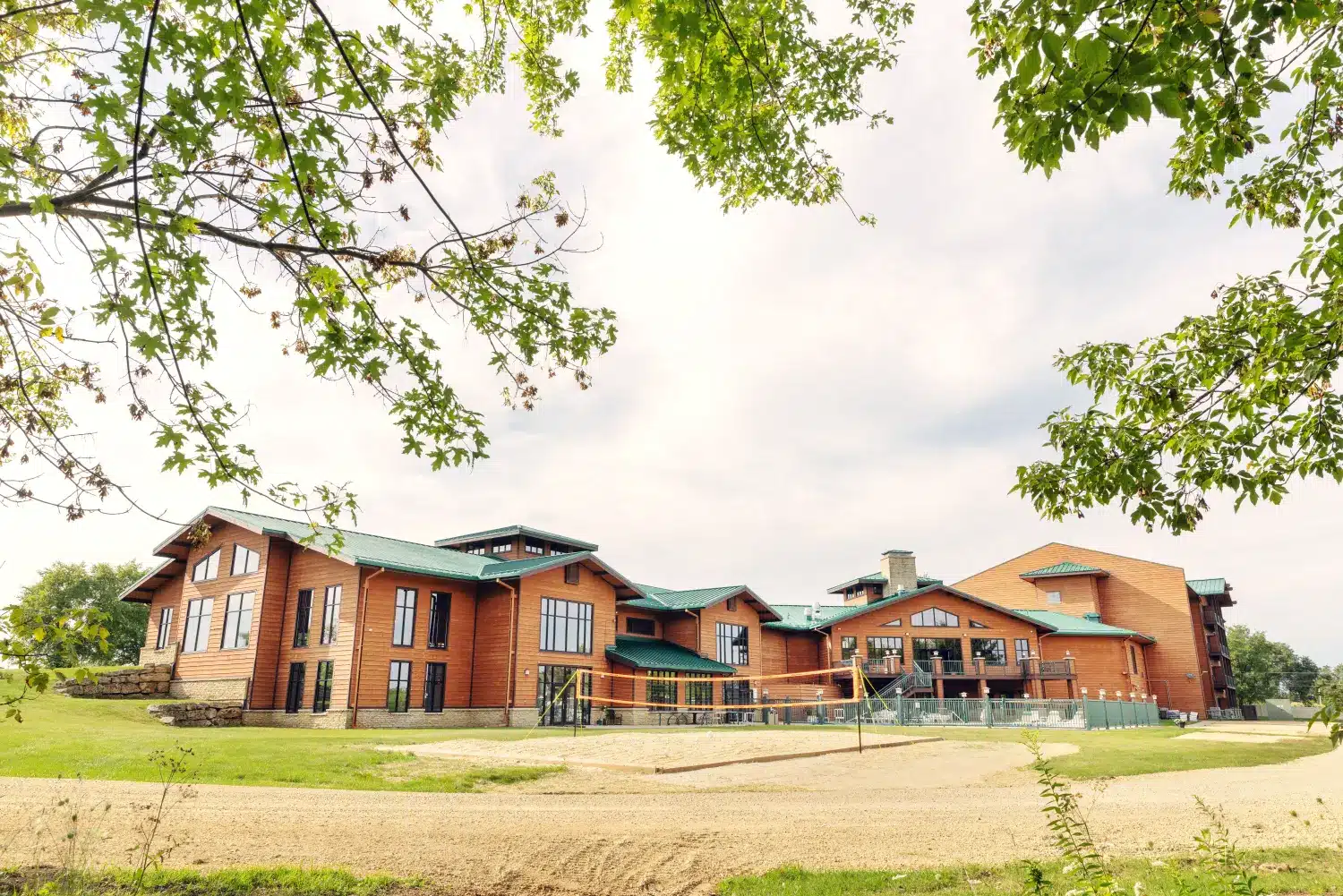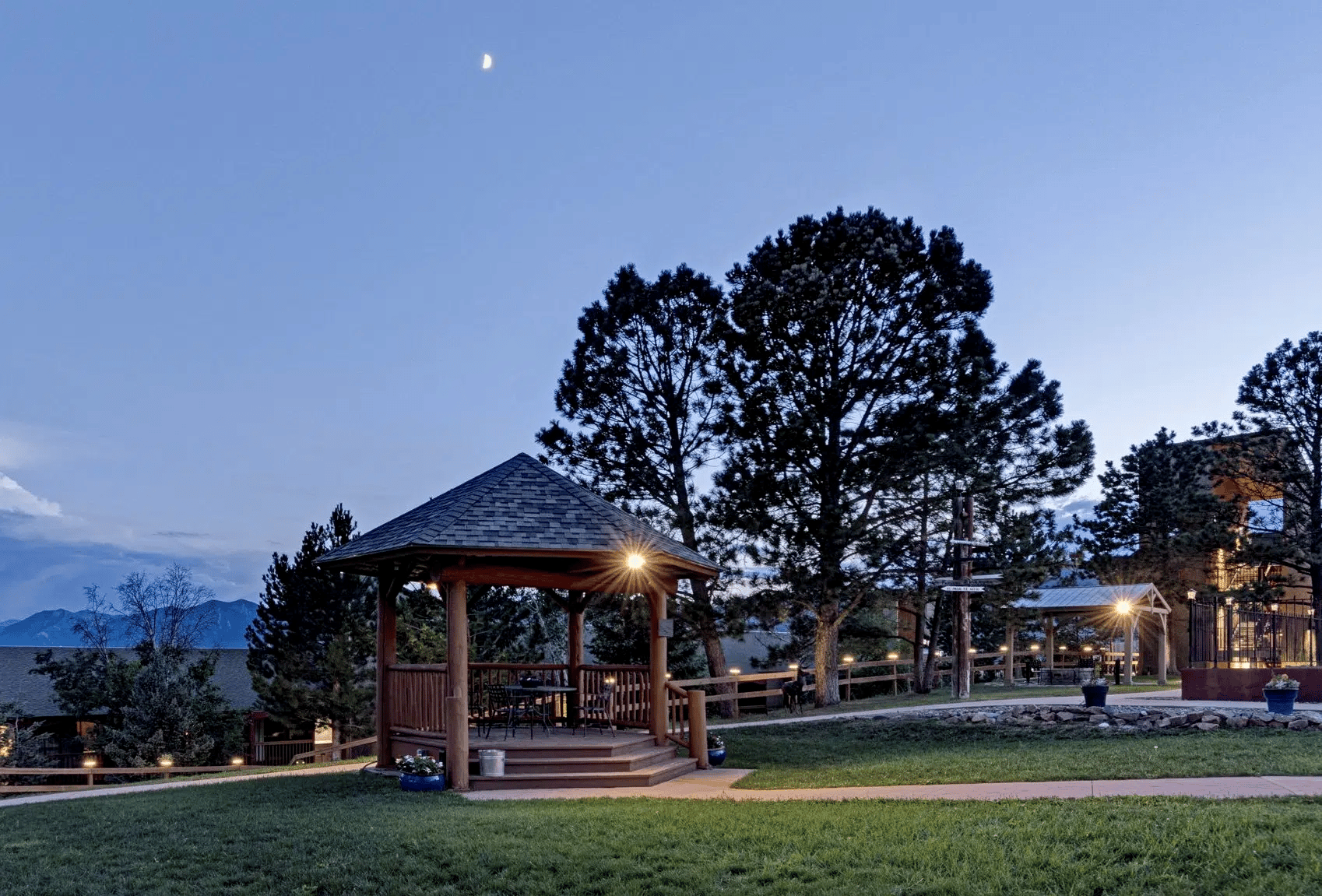
Mountain Springs Recovery - Monument, Colorado
GET HONEST & ACCURATE QUOTE
Highlands Ranch Drug & Addiction Rehab: Addiction Treatment Near Highlands Ranch
Upscale Colorado facility with medication assisted treatment and Non-12-Step program options
- Keep your phone and laptop
- Safe 24/7 monitored detox
- SMART options
- Dual diagnosis programs
- Long-term arrangements
- Thorough aftercare planning
- Located in Monument, CO
- Out of state options in CA, TX and IL
Check your coverage and get informed on admission process! Call us at:
 555-555-5555*
*HIPPA Compliant and 100% confidential
MAXIMIZE YOUR PPO COVERAGE WITH OUR HELP
We will work with insurance to get you the best possible coverage and minimize expenses.
You may be keeping up with work, caring for your family, and managing the responsibilities of everyday life while privately wondering whether drinking or drug use has become a problem. Perhaps you have tried cutting back, promised yourself that things would change, or watched someone you love struggle despite repeated attempts to stop. You do not have to wait for a crisis to ask for help.
At Sunshine Behavioral Health, we help people understand their treatment options and take practical steps toward recovery. For Highlands Ranch residents, our Mountain Springs Recovery facility in Monument, Colorado, offers a nearby option for medical detox and residential addiction treatment outside their usual environment.
Our facility is in Monument rather than Highlands Ranch. This gives you an opportunity to step away from familiar triggers while remaining within Colorado. Whether you are exploring treatment for yourself or someone you love, Sunshine can help you discuss clinical needs, insurance benefits, and the admissions process.
Contact Sunshine Behavioral Health to explore addiction treatment near Highlands Ranch and request an insurance benefits review.
When Is It Time to Seek Addiction Treatment?
Addiction does not always look like an obvious loss of control. Sometimes the first signs are quieter: planning the evening around drinking, taking more medication than prescribed, avoiding conversations about substance use, or feeling unable to relax without a drug.
Maintaining a job or a household does not rule out a substance use disorder. What matters is how substance use affects your health, choices, relationships, and ability to stop.
Consider seeking a professional assessment if you notice:
- Using more than you intended or for longer than planned.
- Trying to cut back repeatedly without being able to maintain the change.
- Cravings that interrupt your attention or influence your decisions.
- Needing larger amounts to feel the same effects.
- Feeling sick, shaky, anxious, or otherwise unwell when you stop.
- Missing responsibilities or withdrawing from activities you once enjoyed.
- Continuing to use despite relationship conflict or health problems.
- Driving while impaired or taking other risks involving substances.
- Spending substantial time obtaining substances, using them, or recovering afterward.
- Hiding the amount or frequency of your use from people close to you.
An assessment can help clarify what is happening and which type of support fits your situation. At Sunshine Behavioral Health, we encourage you to reach out even if you are unsure whether you need residential rehab.
When Residential Rehab May Be Appropriate
Living at a treatment center may be helpful when your home environment makes it difficult to stop using, previous treatment has not provided enough support, or substance use is accompanied by significant emotional or physical health concerns.
Residential care creates time for treatment without repeatedly returning to the same triggers between appointments. However, the right level of care depends on a clinical assessment. Some people need withdrawal management first, while others may be better served by outpatient treatment or another setting.
Addiction Treatment Near Highlands Ranch With Sunshine Behavioral Health
Searching for a Highlands Ranch rehab often means looking for treatment close enough to feel accessible, but structured enough to support meaningful change. Sunshine Behavioral Health connects Highlands Ranch residents with care at our Monument facility, south of the Denver metropolitan area.
Our approach begins with understanding the person seeking treatment. The substances you use, your health history, previous treatment experiences, support system, and goals all matter. Someone coping with alcohol dependence and anxiety may need a different treatment plan from someone using opioids after an injury or someone struggling with multiple substances.
Sunshine helps you explore those needs and understand the next steps. Treatment is an opportunity to address both substance use and the patterns that have made recovery difficult to sustain.
Why Consider Rehab Outside Highlands Ranch?
Seeking treatment outside your immediate community can create useful distance without requiring a move across the country. For someone living in Highlands Ranch, a residential stay in Monument can interrupt the routines and expectations that keep substance use in place.
Step Away From Familiar Triggers
Triggers can include people, places, conflict, easy access to substances, or routines that have become closely associated with using. Changing your surroundings can make it easier to recognize these patterns and practice different responses with support.
The goal is to build skills you can use when you return home. Time away gives you space to begin that work.
Make Room for Treatment
Work deadlines, childcare, household responsibilities, and other commitments can make it difficult to give recovery consistent attention. Residential treatment provides a period in which therapy, stabilization, and healthy routines become the main priorities.
Planning for those responsibilities before admission can reduce distractions. Sunshine can explain what to expect so you and your support system can prepare.
Stay Connected to Your Colorado Support System
Choosing a Colorado facility may make travel and transition planning more manageable for you and your loved ones. Staying in the state also allows you to think ahead about the providers, recovery groups, and everyday support you will need after discharge.
Ask our admissions team about current communication and visitation guidelines rather than assuming that visits are available at any time.
Do You Need Medical Detox Before Rehab?
Medical detox focuses on assessing and managing withdrawal when a person stops or reduces substance use. Whether you need detox depends on the substance, your pattern of use, previous withdrawal experiences, medical conditions, and other medications you take.
Our Monument facility offers medically supervised detox with around-the-clock support. A clinical evaluation helps determine whether this setting is appropriate for your needs or whether you require a different level of medical care.
Signs You Should Discuss Withdrawal With a Clinician
Tell the admissions team if you have experienced shaking, sweating, nausea, severe anxiety, sleep disruption, or other symptoms after missing a drink or dose. Also disclose any history of withdrawal seizures, hallucinations, serious medical conditions, or combining several substances.
Alcohol withdrawal can become life-threatening. Stopping benzodiazepines suddenly after regular use can also be dangerous. Do not attempt to manage these risks by abruptly stopping or creating your own taper without medical guidance.
If someone is experiencing a seizure, severe confusion, difficulty breathing, or a suspected overdose, call 911. Emergency symptoms require immediate medical attention rather than a routine admissions call.
Detox Is the Beginning of Treatment
Managing withdrawal does not resolve every part of addiction. Once you are medically stable, continued treatment can help you understand cravings, develop coping skills, address mental health concerns, and prepare for situations that previously led to substance use.
At Sunshine Behavioral Health, we help you understand how withdrawal management and ongoing addiction care fit together.
Substance Use Concerns We Help You Address
People contact Sunshine for many different reasons. Some are concerned about alcohol, others about illicit drugs, and others about prescription medications that have become difficult to manage. Be candid about every substance you use so the clinical team can assess the full picture.
Alcohol Addiction
Alcohol use can become difficult to control even when it is woven into ordinary social routines. You might drink to fall asleep, cope with stress, feel comfortable in groups, or avoid withdrawal symptoms.
Treatment addresses more than the act of drinking. It can help you examine the role alcohol plays in your life, develop alternatives for managing difficult feelings, and plan for gatherings or routines where alcohol is present.
Opioid Addiction
Opioid use disorder can involve heroin, fentanyl, or prescription pain medications. People may struggle with cravings, withdrawal, and repeated use despite serious consequences.
An opioid treatment assessment should consider withdrawal needs, overdose history, pain concerns, and whether medication is clinically appropriate. Sunshine encourages honest conversations about these issues so treatment planning reflects your actual needs.
Benzodiazepine and Other Sedative Misuse
Medications prescribed for anxiety or sleep can cause physical dependence, which is not automatically the same as addiction. A substance use disorder involves additional patterns such as impaired control or continued use despite harm.
If you are taking benzodiazepines or other sedatives, share the medication name, dose, frequency, and prescribing information. Medical oversight is especially important when changing use or when these medications are combined with alcohol or opioids.
Cocaine, Methamphetamine, and Prescription Stimulant Misuse
Stimulant use can affect sleep, mood, appetite, concentration, and relationships. Some people use to stay awake or perform at work; others find themselves caught in repeated cycles of using and crashing.
Treatment can help you recognize the circumstances associated with stimulant use, rebuild daily routines, and develop strategies for managing cravings and emotional distress. Tell the clinical team about significant mood changes or other psychiatric symptoms.
Marijuana Addiction
Legal availability does not mean cannabis use cannot become a problem. If you repeatedly use more than planned, struggle to stop, or continue despite difficulties with motivation, relationships, or responsibilities, an assessment may be useful.
Sunshine takes these concerns seriously. You can ask for help without comparing your experience with someone using a different substance.
Polysubstance Use
Using more than one substance can complicate withdrawal, increase health risks, and make it harder to recognize which substance is contributing to particular symptoms. This includes combinations involving alcohol, prescription medications, and illicit drugs.
Disclose all substances and supplements you take, including those you use only occasionally. Complete information supports safer care decisions.
Residential Drug and Alcohol Rehab Near Highlands Ranch
Residential rehab means living at the treatment facility while participating in a structured program. This environment can provide consistency during a period when managing recovery independently feels overwhelming.
At Sunshine Behavioral Health, we view residential care as time to begin building a workable foundation for life after treatment. Your needs and progress help shape the clinical plan.
A Comprehensive Assessment
Your assessment considers substance use history, physical health, mental health symptoms, medications, previous treatment, and current challenges. It also helps identify strengths: supportive relationships, personal goals, and strategies that have helped you before.
You do not need to have every answer ready. The purpose is to help the team understand what support you need.
Individualized Treatment Planning
A treatment plan organizes the work ahead. Depending on your assessment, goals may include stabilizing your health, understanding substance use patterns, improving emotional regulation, rebuilding routines, or preparing for a safer return home.
Your plan should respond to progress and emerging needs rather than remain a fixed checklist.
Individual and Group Therapy
Individual therapy offers space to discuss personal concerns and work on specific challenges. Group therapy provides opportunities to learn alongside others, practice communication, and recognize patterns that can be difficult to see alone.
Recovery work can include identifying triggers, challenging unhelpful beliefs, practicing coping strategies, and learning how to ask for support before a difficult situation escalates.
Skills for Everyday Life
The choices that support recovery often happen between major milestones: managing an argument, getting through a stressful evening, keeping an appointment, or deciding whom to call when cravings increase.
Treatment can help you practice these skills and develop routines that support sleep, nutrition, connection, and follow-through.
Dual Diagnosis Treatment: Addressing Addiction and Mental Health Together
Substance use and mental health symptoms can interact in complicated ways. Anxiety may lead someone to drink for temporary relief. Depression may make it harder to follow through with recovery plans. Substance use itself can also worsen mood, sleep, and emotional stability.
Dual diagnosis treatment addresses a substance use disorder alongside a co-occurring mental health condition. Sunshine’s Monument facility offers this type of integrated care.
Share any history of anxiety, depression, trauma-related symptoms, bipolar disorder, or other mental health concerns during assessment. The clinical team can evaluate what is appropriate for the program and whether you need additional or more intensive services.
Understanding these concerns together can help you develop a treatment plan that addresses more of what is affecting your daily life.
12-Step and Non-12-Step Recovery Options
People bring different experiences, beliefs, and preferences to treatment. Some find a 12-Step framework meaningful, while others prefer a different approach. Sunshine Behavioral Health offers access to both 12-Step and non-12-Step programming at our Colorado facility.
12-Step Programming
For some people, a 12-Step approach provides a useful structure for reflection, accountability, and connection with peers. It may also help them establish a recovery community they can continue participating in after treatment.
Non-12-Step and SMART Recovery Options
Non-12-Step approaches offer alternatives for people who prefer another framework. SMART Recovery emphasizes practical skills related to motivation, managing urges, responding to thoughts and emotions, and creating a balanced life.
Discuss your preferences with Sunshine’s team. A previous mismatch with one recovery model does not mean you have exhausted your treatment options.
Medication-Assisted Treatment
Medication may be part of treatment for certain substance use disorders when a qualified clinician determines it is appropriate. It can be used alongside counseling and other recovery support.
Our Colorado facility offers medication-assisted treatment options. The specific medication, eligibility, timing, and follow-up plan depend on an individual evaluation.
If you already take medication for addiction, pain, anxiety, depression, or another condition, tell the admissions team before arrival. Ask how your prescriptions will be reviewed and how ongoing medication needs will be addressed after discharge.
What Might a Day in Residential Treatment Include?
A structured schedule can help make early recovery more manageable. Instead of deciding how to handle every hour on your own, you have a daily rhythm that supports participation in treatment and rest.
Depending on your clinical needs and the current program schedule, a day may include:
- Regular meals and time for personal care.
- Individual appointments or clinical check-ins.
- Group therapy and recovery education.
- Work on coping skills and relapse prevention.
- Recovery meetings or other program activities.
- Time for reflection, appropriate recreation, and rest.
Medical detox may involve a different schedule from residential treatment because monitoring and stabilization take priority. Sunshine can explain the current program structure before you arrive.
Can You Bring Your Phone or Laptop?
Our Monument facility is phone- and laptop-friendly. For Highlands Ranch residents who are concerned about staying in touch with family or handling essential responsibilities, this can make entering treatment feel more manageable.
Bringing a device does not guarantee that you can maintain your regular work schedule. Plan for treatment commitments and arrange coverage for responsibilities that would interfere with participation.
Planning the Trip From Highlands Ranch to Monument
Our Mountain Springs Recovery facility is in Monument, along Colorado’s Front Range. Travel from Highlands Ranch generally involves connecting with Interstate 25 and heading south toward Monument. Your starting point, traffic, weather, and road conditions will affect the route and travel time.
Before leaving, confirm the arrival address, check-in time, and any transportation arrangements directly with Sunshine. If withdrawal or impairment could affect your ability to drive, arrange safe transportation and discuss medical needs with the team.
What to Prepare Before Admission
Ask for the current packing list and required documentation. It may be helpful to organize:
- Identification and insurance information.
- An accurate medication list and instructions about bringing prescriptions.
- Relevant medical or treatment records, if requested.
- Comfortable clothing and permitted personal items.
- Important contact information.
- Plans for childcare, pets, work coverage, and household responsibilities.
If you are helping a loved one, focus on concrete arrangements rather than trying to solve every future concern before admission. Sunshine can help explain the immediate next steps.
Helping a Loved One Seek Treatment
It can be difficult to know how to respond when someone you care about is struggling. You may feel worried, frustrated, or unsure whether your help is making a difference.
Try to talk when the person is sober and the situation is calm. Describe specific observations, such as missed responsibilities or concerning changes in behavior, and explain why you are worried. Offer a concrete next step, such as making a call to Sunshine together.
Avoid promising that one conversation will change everything. You can offer support while maintaining boundaries around unsafe behavior, money, or responsibilities you cannot take on.
You may also benefit from your own counseling or family support resources. Caring about someone else’s recovery does not mean neglecting your own well-being.
Paying for Addiction Treatment Near Highlands Ranch
The cost of rehab depends on factors such as the level of care, length of treatment, insurance benefits, and services provided. An insurance company appearing in a facility’s network does not establish what your individual plan will pay.
Sunshine Behavioral Health can help review your benefits and discuss potential costs. Ask about:
- Whether your particular plan includes the recommended care.
- Network status for the specific facility and services.
- Deductibles, copayments, and coinsurance.
- Any authorization requirements.
- Estimated out-of-pocket expenses and available payment arrangements.
Benefits verification is an important planning step, but payment remains subject to your plan’s terms and the insurer’s decisions. Request a clear explanation before making arrangements.
How to Begin Treatment With Sunshine Behavioral Health
You do not need a complete treatment plan before reaching out. Start by sharing what has been happening and what concerns you most.
Our admissions process can help you:
- Discuss your situation. Explain substance use patterns, recent symptoms, health concerns, and prior treatment.
- Explore appropriate care. Learn whether detox, residential treatment, or another setting may fit your needs, subject to clinical assessment.
- Review benefits and costs. Provide insurance information and ask about likely financial responsibilities.
- Confirm admission details. Discuss clinical suitability, availability, timing, and any requirements before arrival.
- Prepare for your stay. Review transportation, packing, medications, and responsibilities at home.
Admission depends on clinical appropriateness and current availability. Sunshine can help you understand your options and make the next step clearer.
Take the Next Step Toward Recovery
If alcohol or drug use is taking more from your life than you want to give, you can begin with a conversation. You do not have to wait until a relationship ends, a job is lost, or your health deteriorates further.
Sunshine Behavioral Health helps Highlands Ranch residents explore addiction treatment at our Mountain Springs Recovery facility in Monument. We will listen to your concerns, explain the process, and help you consider the care that fits your situation.
Contact Sunshine Behavioral Health today to discuss treatment near Highlands Ranch or request an insurance benefits review.
Frequently Asked Questions About Highlands Ranch Addiction Rehab
Does Sunshine Behavioral Health Have a Rehab Center in Highlands Ranch?
The facility featured on this page is in Monument, Colorado. Sunshine helps Highlands Ranch residents explore medical detox and residential treatment at our Mountain Springs Recovery location there.
Do I Need to Hit Rock Bottom Before Going to Rehab?
No. You can seek an assessment when substance use begins affecting your health, choices, relationships, or responsibilities. Getting help earlier may prevent some problems from becoming more severe.
How Do I Know Whether I Need Detox or Residential Rehab?
Detox addresses withdrawal management, while residential rehab focuses on ongoing addiction treatment in a live-in setting. Some people need both; others need a different level of care. A clinical assessment helps determine the appropriate recommendation.
How Long Will I Be in Treatment?
There is no single length of stay that suits everyone. Your needs, progress, recommended level of care, and coverage can affect the plan. Ask Sunshine about the likely course of treatment and how changes are evaluated.
Can I Get Help if I Have Anxiety or Depression Along With Addiction?
Yes. Our Colorado facility offers dual diagnosis treatment for substance use and co-occurring mental health concerns. The team will assess your symptoms and determine whether the program is appropriate for your needs.
Do I Have to Participate in a 12-Step Program?
Sunshine’s Colorado facility offers 12-Step and non-12-Step options, including SMART Recovery. Ask how these approaches fit into the current program and discuss your preferences during treatment planning.
Can I Keep in Touch With Family During Treatment?
The facility is phone- and laptop-friendly, with use governed by program guidelines. Confirm the current rules with admissions and plan for communication around your treatment schedule.
Will My Insurance Pay for Rehab?
Coverage depends on your specific policy, the recommended services, network status, and authorization requirements. Sunshine can help review benefits and explain possible out-of-pocket costs before admission.
What if I Have Been to Rehab Before?
Previous treatment does not mean you cannot benefit from additional care. Share what helped, what did not, and what happened after discharge. That information can help identify needs that should receive more attention this time.
Medical disclaimer:
Sunshine Behavioral Health strives to help people who are facing substance abuse, addiction, mental health disorders, or a combination of these conditions. It does this by providing compassionate care and evidence-based content that addresses health, treatment, and recovery.
Licensed medical professionals review material we publish on our site. The material is not a substitute for qualified medical diagnoses, treatment, or advice. It should not be used to replace the suggestions of your personal physician or other health care professionals.