Mountain Springs Recovery - Monument, Colorado
GET HONEST & ACCURATE QUOTE
Longmont Drug & Addiction Rehab: Addiction Treatment Near Longmont
Upscale Colorado facility with medication assisted treatment and Non-12-Step program options
- Keep your phone and laptop
- Safe 24/7 monitored detox
- SMART options
- Dual diagnosis programs
- Long-term arrangements
- Thorough aftercare planning
- Located in Monument, CO
- Out of state options in CA, TX and IL
Check your coverage and get informed on admission process! Call us at:
 555-555-5555*
*HIPPA Compliant and 100% confidential
MAXIMIZE YOUR PPO COVERAGE WITH OUR HELP
We will work with insurance to get you the best possible coverage and minimize expenses.
When alcohol or drug use begins affecting your health, relationships, responsibilities, or ability to enjoy everyday life, professional treatment can provide the structure and support needed to make a meaningful change. Sunshine Behavioral Health helps people from Longmont and communities throughout northern Colorado access personalized addiction treatment in a safe, supportive environment.
Our Colorado treatment facility, Mountain Springs Recovery, is located in Monument. Traveling outside Longmont allows you to step away from familiar pressures while remaining within Colorado and within reach of your support system. The facility offers monitored medical detox, residential addiction treatment, dual diagnosis care, medication-assisted treatment when clinically appropriate, and both 12-Step and non-12-Step recovery options.
Whether you are seeking help for yourself or someone you love, Sunshine Behavioral Health can help you understand your options, verify your insurance benefits, and determine an appropriate next step.
When Is It Time to Consider Addiction Treatment?
There is no single experience that determines whether someone needs professional addiction treatment. Substance use disorders affect people differently, and a person does not have to lose everything before asking for help.
Treatment may be worth considering if you:
- Use alcohol or drugs more frequently or in larger amounts than intended
- Have tried to reduce or stop using but have been unable to maintain the change
- Need increasing amounts of a substance to experience the same effects
- Experience withdrawal symptoms when you reduce or discontinue use
- Spend significant time obtaining, using, or recovering from substances
- Continue using despite physical, emotional, financial, legal, or relationship consequences
- Miss work, school, family obligations, or other responsibilities because of substance use
- Avoid people or activities you once enjoyed
- Use substances to manage stress, trauma, anxiety, depression, or difficult emotions
- Engage in unsafe behavior while under the influence
- Combine alcohol, prescription medications, or illicit substances
- Hide your substance use or minimize how much you consume
- Feel unable to function normally without drugs or alcohol
Some people recognize these patterns themselves. In other cases, friends, relatives, coworkers, or healthcare providers notice the changes first. A confidential assessment can help clarify the seriousness of the problem and identify which level of care may be appropriate.
Signs That Someone May Need Medical Detox
Stopping certain substances abruptly can cause significant withdrawal symptoms. In some cases, attempting to detox without medical assistance can be dangerous. This is particularly important when alcohol, benzodiazepines, opioids, or multiple substances are involved.
Signs that medical detox may be appropriate include:
- A history of severe withdrawal symptoms
- Shaking, sweating, nausea, vomiting, or rapid heartbeat after reducing use
- Seizures, hallucinations, confusion, or extreme agitation during previous withdrawal attempts
- Daily or near-daily use
- Using several substances at the same time
- Repeated unsuccessful attempts to stop
- Significant physical or mental health concerns
- Needing a substance to prevent withdrawal symptoms
- A history of overdose
- Uncertainty about what substances were consumed or how strong they were
Sunshine Behavioral Health can help determine whether medically monitored detox should be the first stage of care. Mountain Springs Recovery provides 24/7 monitored detox in a structured treatment environment.
If someone is experiencing an overdose, seizure, loss of consciousness, difficulty breathing, severe confusion, or another immediate medical emergency, call 911.
Addiction Treatment for Longmont Residents
Sunshine Behavioral Health provides individualized care rather than assuming that one treatment plan will work for everyone. Before treatment begins, our clinical team evaluates the person’s substance use, withdrawal risks, physical health, mental health, home environment, prior treatment experiences, and recovery goals.
This information helps us recommend an appropriate level of care and create a personalized treatment plan. Depending on the individual, treatment may include:
- Medical detoxification
- Residential addiction treatment
- Individual therapy
- Group counseling
- Family support and education
- Dual diagnosis treatment
- Medication-assisted treatment
- Relapse-prevention planning
- Life-skills development
- Holistic and recreational activities
- Aftercare planning
Treatment plans may evolve as a person progresses. Recovery is not a static process, so our clinical teams continually consider the person’s needs, challenges, strengths, and response to care.
Why Travel Outside Longmont for Residential Treatment?
Longmont residents have access to local healthcare and community resources, but the closest program is not automatically the best fit for every person. Residential treatment in another Colorado community can create helpful physical and emotional distance from the circumstances surrounding active substance use.
Step Away From Everyday Triggers
Returning to the same people, places, routines, and stresses each evening can make early recovery more difficult. Residential treatment provides temporary separation from environments where drugs or alcohol are readily available.
This distance gives you time to identify triggers and practice healthier responses before returning to everyday life.
Focus Fully on Your Recovery
Work obligations, household responsibilities, family conflict, and financial pressures can make it difficult to give treatment your full attention. At a residential facility, your days are organized around therapy, education, healthy routines, rest, recreation, and recovery-related activities.
The goal is not to escape real-world responsibilities permanently. It is to create enough stability to address addiction effectively and prepare for those responsibilities with stronger coping skills.
Protect Your Privacy
Some people feel uncomfortable seeking residential care close to their workplace, social circle, or neighborhood. Receiving treatment outside Longmont may provide a greater sense of privacy and allow you to focus on recovery without worrying as much about encountering someone you know.
Remain Within Colorado
Traveling to Monument allows Longmont residents to create meaningful distance from their daily environment without leaving the state. This can make treatment feel more manageable for individuals who want a change of setting while remaining reasonably accessible to loved ones and Colorado-based support.
Mountain Springs Recovery: Our Colorado Treatment Facility
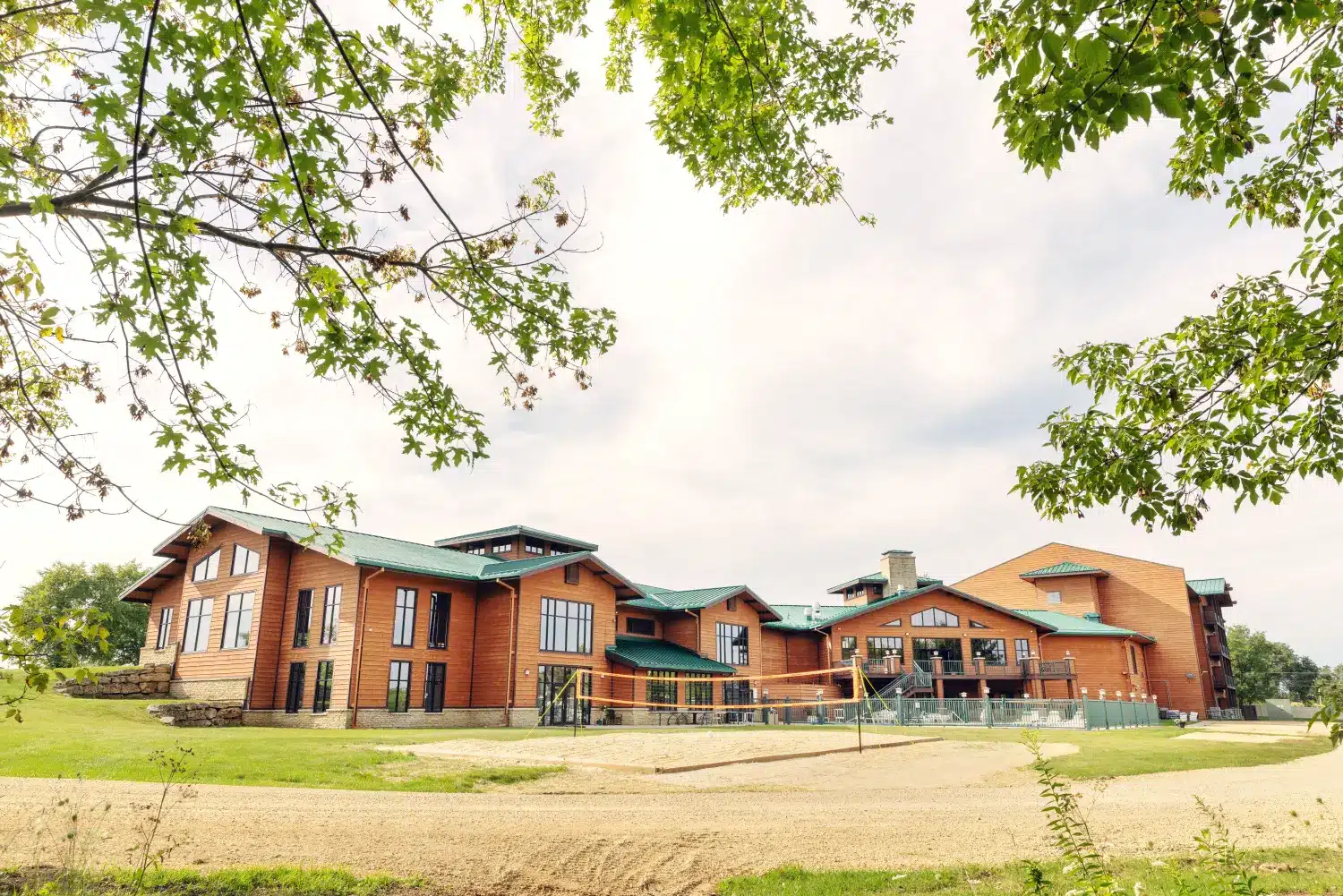
Sunshine Behavioral Health directs Colorado residents to Mountain Springs Recovery, our treatment facility in Monument. Located in a welcoming mountain setting, the facility provides a structured environment in which clients can stabilize, participate in treatment, and begin building a sustainable recovery plan.
Mountain Springs Recovery offers:
- Monitored medical detox
- Residential addiction treatment
- Individualized treatment planning
- Care for co-occurring mental health conditions
- Medication-assisted treatment when clinically appropriate
- 12-Step programming
- SMART Recovery and other non-12-Step options
- Individual and group therapy
- Life-skills support
- Holistic activities
- Chef-prepared meals
- Recreational opportunities
- Access to phones and laptops within facility guidelines
- Thorough aftercare planning
The facility is located at 1865 Woodmoor Drive in Monument, Colorado.
Substance Use Disorders We Treat
Sunshine Behavioral Health helps people experiencing a wide range of substance-related challenges. Because patterns of use can overlap, treatment considers every substance a person uses rather than focusing only on the substance that seems most problematic.
Alcohol Addiction
Alcohol is legal and socially accepted, which can make problematic drinking difficult to recognize. Warning signs may include drinking more than intended, experiencing blackouts, hiding alcohol use, drinking to manage emotions, or having withdrawal symptoms when alcohol use stops.
Alcohol withdrawal can sometimes become medically dangerous. People who drink heavily or regularly should consult a qualified professional before attempting to stop suddenly.
Treatment can address both the physical effects of alcohol dependence and the behaviors, thoughts, emotions, and circumstances that reinforce drinking.
Opioid Addiction
Opioids include prescription pain medications as well as illicit substances such as heroin and fentanyl. Opioid use can lead to physical dependence, powerful cravings, withdrawal symptoms, and a significant risk of overdose.
Treatment may include medical detox, behavioral therapy, relapse-prevention education, and medication-assisted treatment when clinically appropriate. Because opioid tolerance can decrease during periods of abstinence, aftercare and overdose-prevention planning are especially important.
Benzodiazepine Addiction
Benzodiazepines are commonly prescribed for anxiety, panic disorders, insomnia, and certain medical conditions. Even when initially taken as prescribed, continued use can lead to dependence.
Stopping benzodiazepines abruptly may cause severe withdrawal symptoms. A medically supervised process can help monitor symptoms and reduce avoidable risks.
Cocaine Addiction
Cocaine can produce intense but short-lived effects that encourage repeated use. Over time, cocaine use can contribute to sleep disruption, anxiety, paranoia, mood changes, cardiovascular problems, and difficulties at work or home.
Treatment helps clients identify the situations and emotions connected to stimulant use while developing healthier strategies for managing cravings, energy, stress, and mood.
Methamphetamine Addiction
Methamphetamine can strongly affect reward, motivation, sleep, appetite, and emotional regulation. People discontinuing methamphetamine may experience fatigue, depression, anxiety, sleep changes, or powerful cravings.
A structured treatment environment can provide stability while clients begin restoring healthy routines and addressing the behavioral and psychological components of methamphetamine use.
Prescription Stimulant Addiction
Prescription stimulants may be used nonmedically to increase energy, improve concentration, stay awake, or enhance performance. Misuse can escalate gradually and may be hidden behind work, school, or personal responsibilities.
Treatment can help clients examine the pressures connected to stimulant misuse while building healthier approaches to productivity, stress, sleep, and emotional well-being.
Marijuana Addiction
Although not everyone who uses marijuana develops a substance use disorder, some people find that they cannot reduce their use despite negative consequences. Frequent use may affect motivation, memory, mood, concentration, relationships, school, or work.
Treatment can address marijuana use alongside anxiety, depression, sleep difficulties, trauma, or other concerns that may be contributing to the pattern.
Polysubstance Use
Many people entering treatment use more than one substance. Combining alcohol, opioids, benzodiazepines, stimulants, or other drugs can increase medical risks and complicate withdrawal.
Sunshine Behavioral Health evaluates the entire pattern of use so treatment can address interactions between substances and the reasons each substance has become part of the person’s life.
Medical Detox Near Longmont
Detoxification is the process through which the body clears alcohol or drugs. Medical detox provides monitoring and support during withdrawal, but detox alone does not usually address the behavioral and emotional factors behind addiction.
At Mountain Springs Recovery, the detox process begins with an assessment of:
- Substances used
- Frequency and duration of use
- Typical amounts consumed
- Time of last use
- Previous withdrawal experiences
- Current medications
- Physical health conditions
- Mental health symptoms
- Overdose or seizure history
The clinical team uses this information to develop an individualized detox plan. Throughout the process, staff monitor symptoms and provide appropriate support based on the client’s needs.
Whenever possible, moving directly from detox into ongoing addiction treatment can reduce the gap between physical stabilization and therapeutic care.
Residential Drug and Alcohol Rehab Near Longmont
Residential treatment provides a substance-free living environment with structured daily programming and access to professional support. It may be appropriate for people who need more stability than outpatient care can provide.
Residential rehab may be especially helpful if:
- Previous outpatient treatment has not produced lasting improvement
- The home environment contains alcohol, drugs, conflict, or other recovery barriers
- Cravings are difficult to manage independently
- Substance use has become frequent or severe
- Multiple substances are involved
- Mental health symptoms complicate recovery
- The person lacks dependable support at home
- Daily responsibilities repeatedly interfere with treatment
- A more immersive level of care is clinically appropriate
During residential treatment, clients can learn about addiction, identify personal triggers, practice coping strategies, improve communication, rebuild daily routines, and prepare for life after treatment.
Dual Diagnosis Treatment Near Longmont
Substance use and mental health concerns frequently affect one another. A person might use alcohol to quiet anxiety, stimulants to cope with exhaustion or depression, or opioids to escape emotional pain. Continued substance use may then intensify the original symptoms.
Dual diagnosis treatment addresses substance use alongside co-occurring mental health concerns. These may include:
- Anxiety
- Depression
- Trauma-related symptoms
- Mood instability
- Grief
- Chronic stress
- Difficulties with emotional regulation
Treating these concerns together helps clients better understand how their thoughts, emotions, behaviors, and substance use are connected. It also reduces the risk that untreated symptoms will undermine recovery after residential care.
Individual and Group Therapy
Therapy is a central component of addiction treatment at Sunshine Behavioral Health.
Individual therapy provides a private setting in which clients can explore personal concerns, establish recovery goals, and examine patterns that may be difficult to discuss in a group. Sessions may address triggers, trauma, relationships, self-esteem, grief, anger, boundaries, or relapse risks.
Group therapy allows clients to learn with and from others. A professionally facilitated group can reduce isolation, encourage accountability, and provide opportunities to practice communication and coping skills.
Group topics may include:
- Understanding addiction
- Recognizing triggers
- Managing cravings
- Emotional regulation
- Healthy communication
- Stress management
- Boundary setting
- Relapse prevention
- Rebuilding trust
- Developing a recovery-support network
The combination of individual and group work helps clients receive personalized attention while also experiencing the support of a recovery community.
12-Step and Non-12-Step Recovery Options
People come to treatment with different values, beliefs, and previous experiences. Sunshine Behavioral Health does not assume that a single recovery philosophy will be right for everyone.
At Mountain Springs Recovery, clients may have access to traditional 12-Step programming as well as non-12-Step options such as SMART Recovery.
Twelve-Step approaches often emphasize peer support, personal accountability, acceptance, and continued participation in a recovery fellowship.
SMART Recovery uses a practical, skills-based framework that can help participants strengthen motivation, cope with urges, manage thoughts and behaviors, and create a more balanced life.
Exposure to different recovery approaches can help clients identify the tools and communities they are most likely to continue using after treatment.
Medication-Assisted Treatment
Medication-assisted treatment, often abbreviated as MAT, combines approved medication with counseling and behavioral support. It may be considered for certain individuals with opioid or alcohol use disorders.
MAT is not a universal recommendation or a replacement for therapy. When clinically appropriate, however, medication may help manage cravings, support stabilization, or reduce certain risks while the client participates in a broader treatment program.
Any decision involving medication should be based on an individualized clinical assessment, medical history, substances used, treatment goals, and other relevant health considerations.
Holistic Support During Addiction Treatment
Recovery involves more than discontinuing alcohol or drugs. Substance use can disrupt nutrition, movement, sleep, recreation, relationships, and everyday routines.
Sunshine Behavioral Health incorporates activities that support overall well-being and help clients rediscover healthy ways to manage stress and use their time.
Depending on the treatment plan and current programming, holistic support may include:
- Mindfulness practices
- Physical activity
- Outdoor recreation
- Opportunities for relaxation
- Creative activities
- Nutritious meals
- Life-skills development
- Healthy sleep and daily routines
These activities complement clinical treatment. They also give clients practical strategies they can continue using after leaving residential care.
What Does a Typical Day in Residential Rehab Look Like?
Schedules vary based on clinical needs and current programming, but a typical day may include:
- A consistent wake-up and morning routine
- Nutritious meals
- Clinical check-ins
- Individual therapy
- Group counseling
- Educational sessions
- Recovery meetings
- Recreational or holistic activities
- Time for reflection or journaling
- Personal time
- Evening recovery activities
- A structured bedtime routine
Predictability can be especially helpful during early recovery. A consistent schedule reduces unstructured time while clients practice habits that can support long-term stability.
Can I Keep My Phone or Laptop During Rehab?
Mountain Springs Recovery is phone- and laptop-friendly. Sunshine Behavioral Health recognizes that appropriate access to technology can help some clients maintain important family, school, or work connections.
Technology use must fit within the treatment environment. Clients are still expected to participate fully in clinical programming, follow privacy requirements, and comply with facility guidelines. The admissions team can explain current technology policies before arrival.
Paying for Addiction Treatment
The cost of addiction treatment depends on several factors, including the recommended level of care, length of treatment, clinical needs, insurance benefits, provider-network rules, and deductible or coinsurance requirements.
Many private insurance plans provide some coverage for medically necessary substance use disorder treatment, but benefits differ significantly from one policy to another.
Sunshine Behavioral Health can verify your insurance benefits and explain the information provided by your insurer. Verification may help clarify:
- Whether the facility is covered
- Which levels of care are included
- Whether prior authorization is required
- Deductible status
- Copay or coinsurance responsibilities
- Potential out-of-pocket expenses
- Any limits or exclusions that may apply
Insurance verification is not a guarantee that an insurer will pay every charge, but it can provide a clearer picture of your potential coverage before admission.
How the Admissions Process Works
Asking for help can feel overwhelming, so Sunshine Behavioral Health aims to make the admissions process as straightforward as possible.
1. Contact Sunshine Behavioral Health
Call our admissions team or submit a confidential online inquiry. You can call for yourself, a family member, or another person you care about.
2. Complete a Confidential Assessment
An admissions specialist will ask about substance use, withdrawal symptoms, physical and mental health, previous treatment, current circumstances, and immediate safety concerns.
Honest information helps the team determine whether the available program appears appropriate.
3. Verify Insurance and Discuss Payment
With your permission, Sunshine Behavioral Health can contact your insurance company to check applicable benefits. We will explain the available information and discuss potential financial responsibilities.
4. Review the Recommended Level of Care
Based on the assessment, the team can discuss whether detox, residential treatment, or another level of support may be appropriate. A final clinical determination may require further evaluation.
5. Coordinate Admission
If Mountain Springs Recovery is an appropriate fit, the admissions team can discuss timing, travel, what to bring, facility expectations, and the next steps required before arrival. Same-day admission may be available in some circumstances.
Choosing a Drug and Alcohol Rehab Near Longmont
When comparing programs, look beyond location and appearance. The right treatment center should be capable of addressing your clinical needs and preparing you for continued recovery after discharge.
Consider asking:
- Does the program provide the level of care I need?
- Is medically monitored detox available?
- Can the facility treat my primary substance use disorder?
- Does it address co-occurring mental health concerns?
- How are treatment plans individualized?
- Which therapeutic approaches are used?
- Are both 12-Step and non-12-Step options available?
- Is medication-assisted treatment available when appropriate?
- What credentials do clinical and medical team members hold?
- How does the program involve families?
- What is the phone and laptop policy?
- How does the facility prepare clients for discharge?
- Can the admissions team verify my insurance benefits?
- What ongoing support is available after residential treatment?
These questions can help you compare the substance of different programs instead of choosing based only on distance or marketing language.
Begin Addiction Treatment Near Longmont
You do not have to wait for addiction to cause another crisis before seeking help. Sunshine Behavioral Health can help you evaluate your treatment options and determine whether our Colorado facility may be appropriate for you or your loved one.
Mountain Springs Recovery offers Longmont residents the opportunity to step away from familiar triggers and begin recovery in a structured, supportive environment in Monument. Our admissions team can answer questions, conduct a confidential assessment, verify insurance benefits, and explain what to expect from treatment.
Contact Sunshine Behavioral Health today to take the next step toward recovery.
Frequently Asked Questions
Does Sunshine Behavioral Health have a rehab facility in Longmont?
Sunshine Behavioral Health does not operate a residential facility in Longmont. Our Colorado facility, Mountain Springs Recovery, is located in Monument. It provides an in-state option for Longmont residents who are willing to travel for structured addiction treatment.
Why would I leave Longmont for addiction treatment?
Temporarily leaving your usual environment can reduce exposure to people, places, stressors, and routines associated with substance use. It may also provide additional privacy and make it easier to focus fully on treatment.
Is detox available at Mountain Springs Recovery?
Yes. Mountain Springs Recovery offers monitored detox with 24/7 support. Whether detox is appropriate depends on the substances used, withdrawal risks, medical history, and other individual factors.
Does the program treat alcohol and drug addiction?
Sunshine Behavioral Health provides treatment for alcohol addiction and a range of drug-related substance use disorders, including problems involving opioids, benzodiazepines, cocaine, methamphetamine, prescription stimulants, marijuana, and multiple substances.
Can co-occurring mental health conditions be treated?
Mountain Springs Recovery provides dual diagnosis programming for people experiencing substance use disorders alongside co-occurring mental health concerns. Treatment recommendations depend on each client’s symptoms and clinical needs.
Are non-12-Step options available?
Yes. Mountain Springs Recovery offers both traditional 12-Step programming and non-12-Step options, including SMART Recovery.
Can I bring my phone or laptop?
The facility is phone- and laptop-friendly, although technology use must follow program schedules, privacy requirements, and facility guidelines. Admissions can explain the current policy before you arrive.
Does Sunshine Behavioral Health accept insurance?
Sunshine Behavioral Health works with many private insurance plans. Coverage depends on the policy, facility, medical necessity, level of care, and provider-network requirements. The admissions team can verify your benefits before treatment.
How long does addiction treatment last?
The appropriate length of treatment varies. It depends on the substances used, withdrawal needs, physical and mental health, progress in treatment, home environment, and discharge plan. A clinical assessment is necessary to make an individualized recommendation.
Can a family member call on someone else’s behalf?
Yes. Family members may contact Sunshine Behavioral Health to ask questions and discuss how to help a loved one. However, adults generally must agree to participate in treatment unless specific legal circumstances apply.
What if I am not sure whether I need detox or residential treatment?
You do not need to determine the correct level of care on your own. A confidential assessment can help identify withdrawal risks, treatment needs, and whether Mountain Springs Recovery may be an appropriate option.
Medical disclaimer:
Sunshine Behavioral Health strives to help people who are facing substance abuse, addiction, mental health disorders, or a combination of these conditions. It does this by providing compassionate care and evidence-based content that addresses health, treatment, and recovery.
Licensed medical professionals review material we publish on our site. The material is not a substitute for qualified medical diagnoses, treatment, or advice. It should not be used to replace the suggestions of your personal physician or other health care professionals.