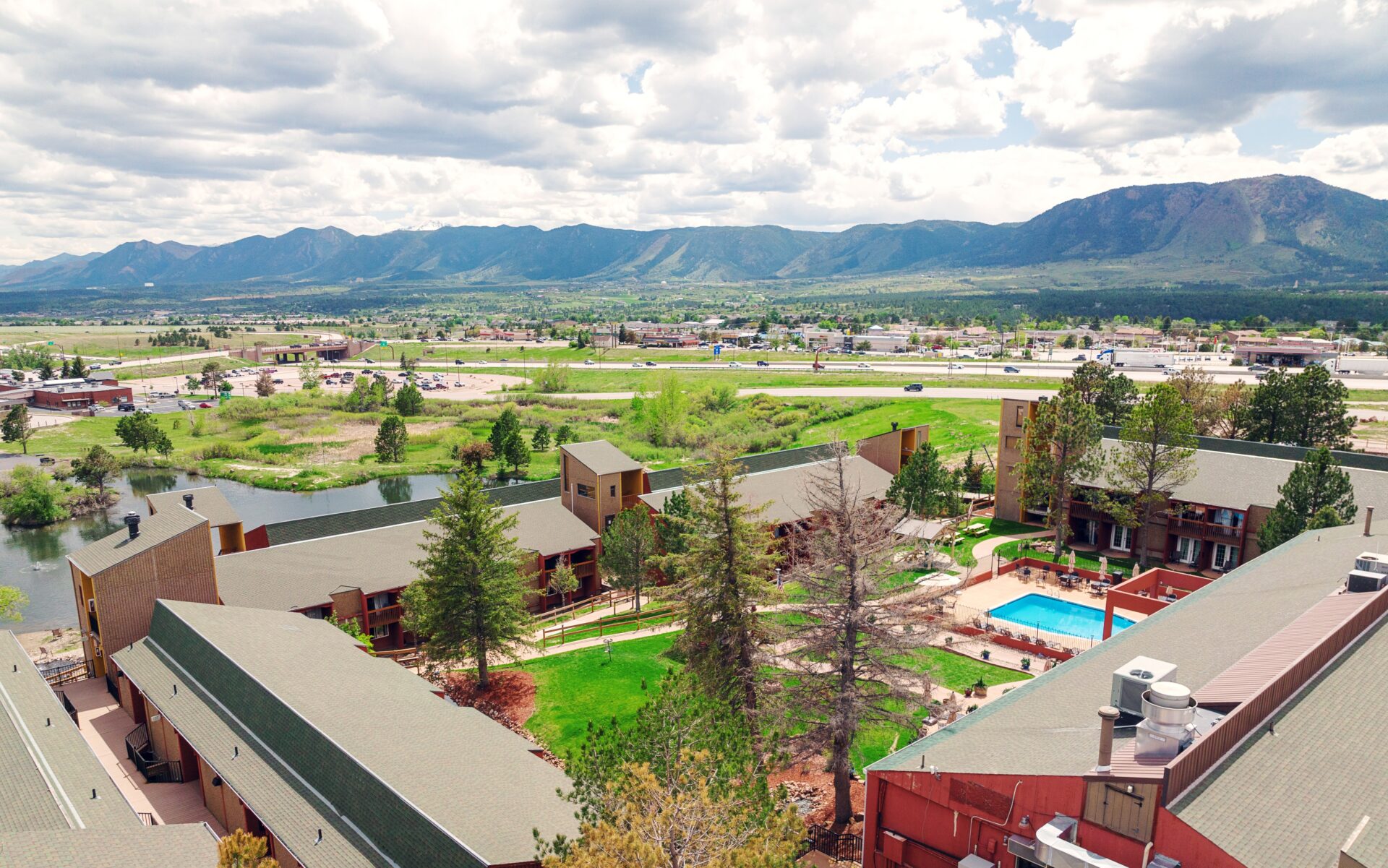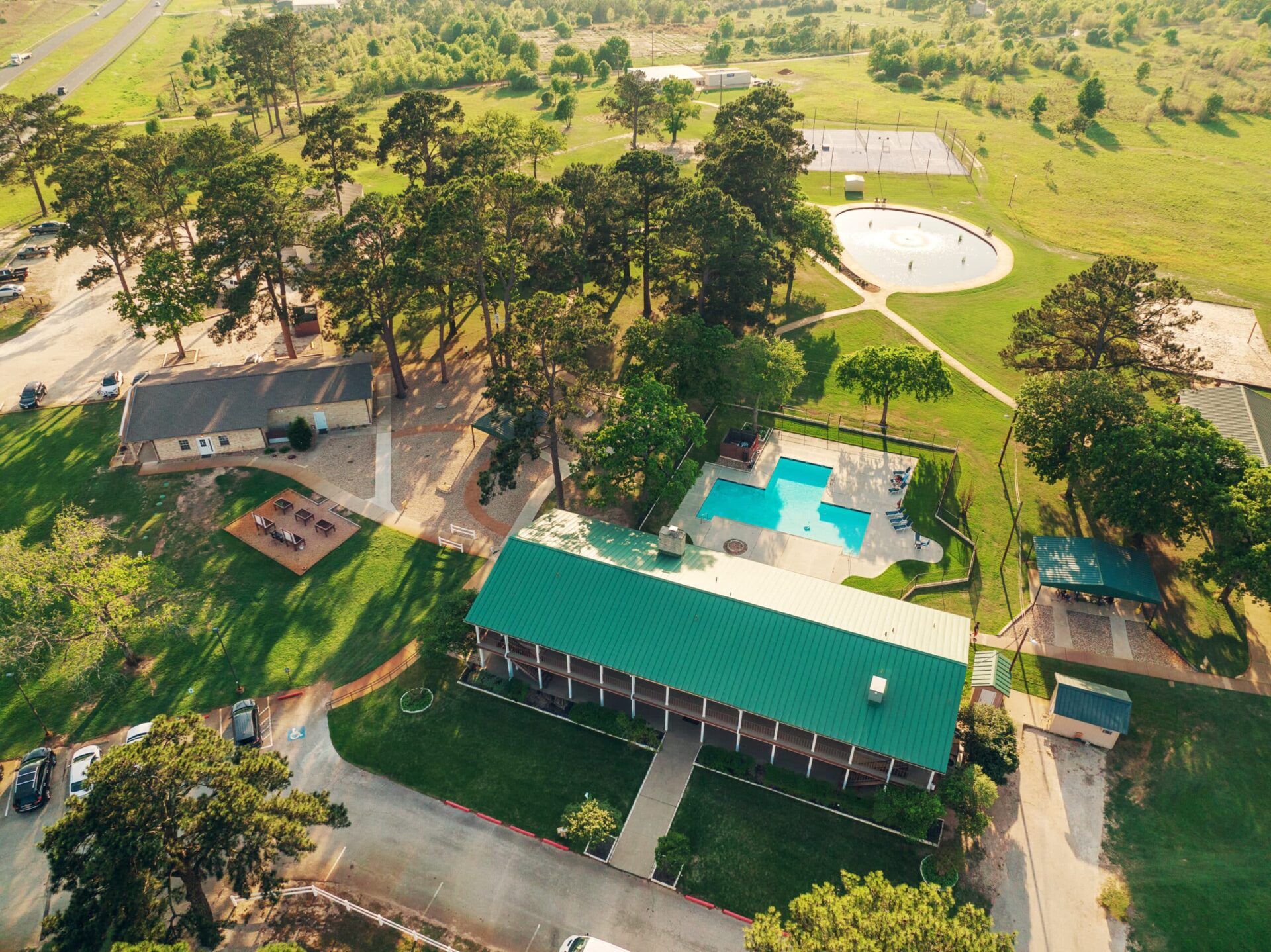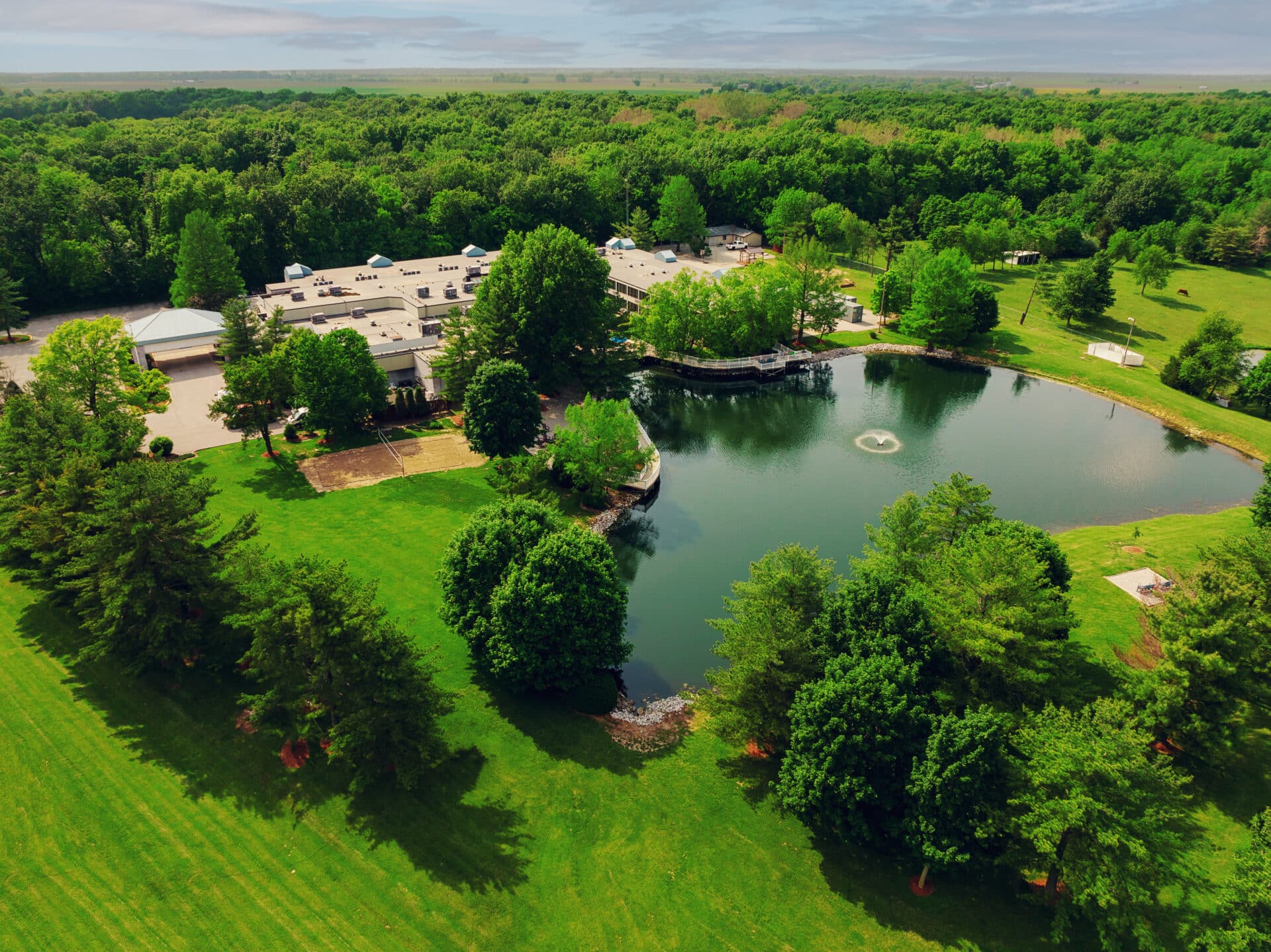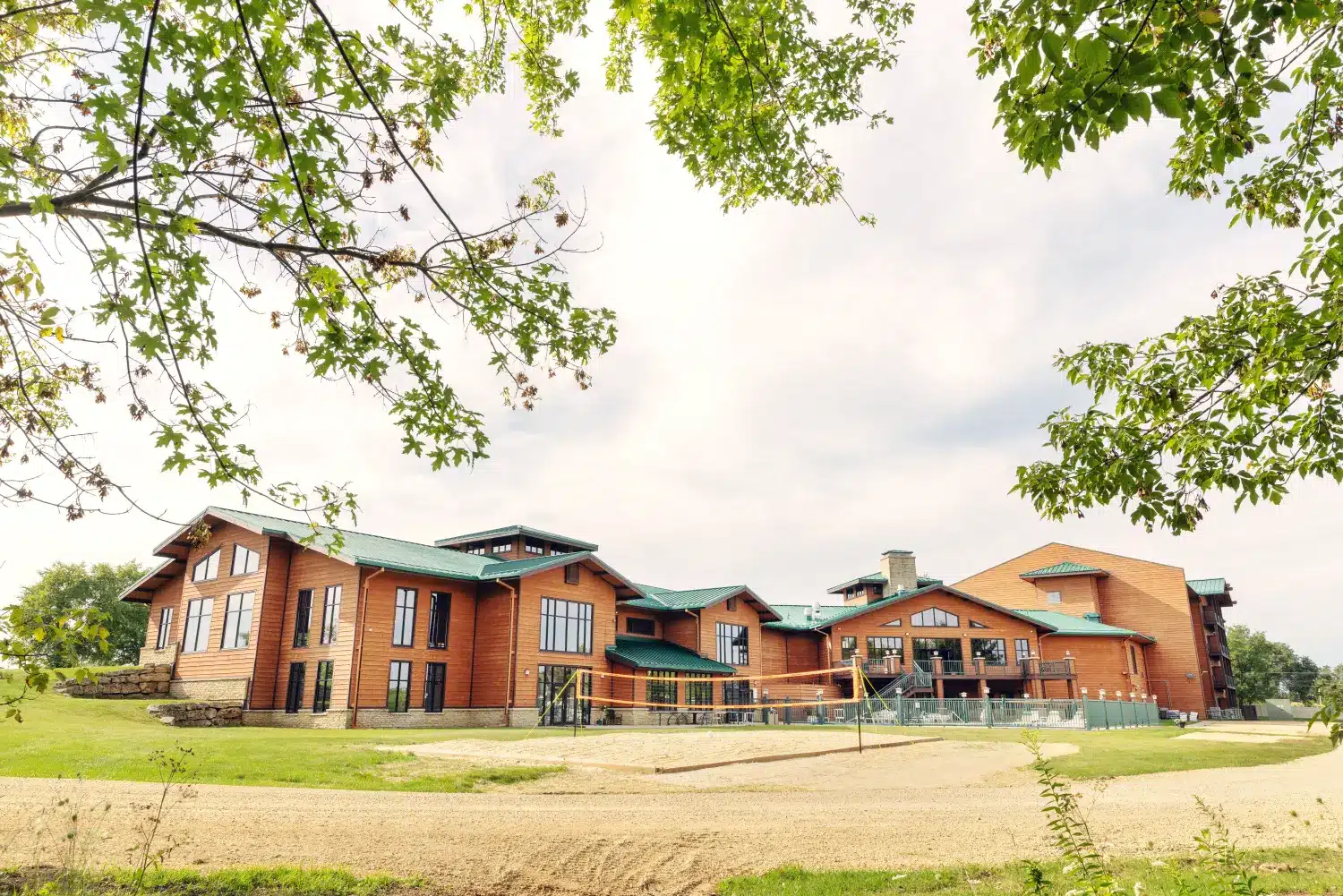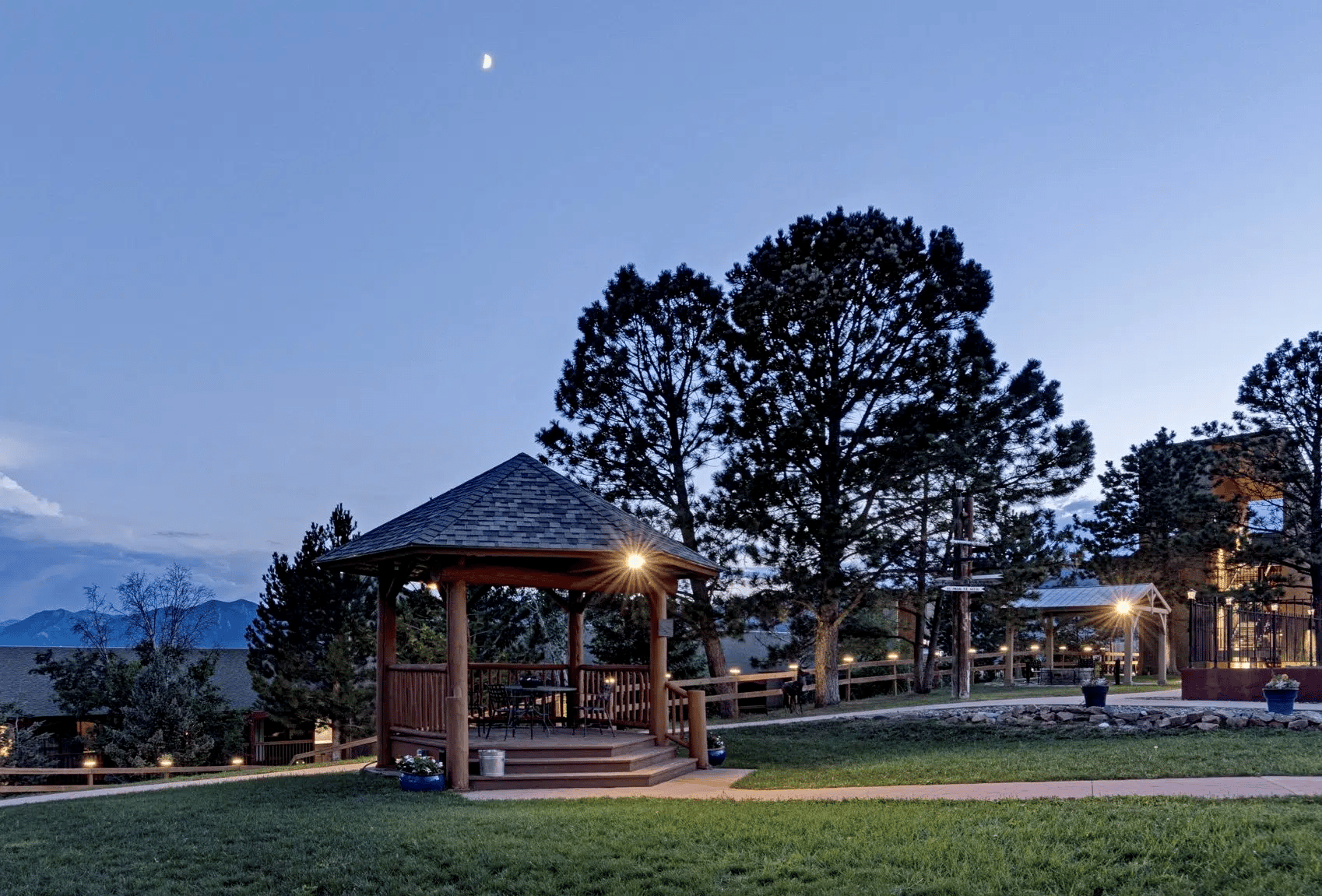
Mountain Springs Recovery - Monument, Colorado
GET HONEST & ACCURATE QUOTE
Loveland Drug & Addiction Rehab: Addiction Treatment Near Loveland
Upscale Colorado facility with medication assisted treatment and Non-12-Step program options
- Keep your phone and laptop
- Safe 24/7 monitored detox
- SMART options
- Dual diagnosis programs
- Long-term arrangements
- Thorough aftercare planning
- Located in Monument, CO
- Out of state options in CA, TX and IL
Check your coverage and get informed on admission process! Call us at:
 555-555-5555*
*HIPPA Compliant and 100% confidential
MAXIMIZE YOUR PPO COVERAGE WITH OUR HELP
We will work with insurance to get you the best possible coverage and minimize expenses.
When alcohol or drugs begin taking more from your life than you want to give, finding help can feel overwhelming. You may be wondering whether your substance use is serious enough for rehab, how you could step away from work, or what treatment would actually involve. You do not need to have every answer before reaching out.
At Sunshine Behavioral Health, we help people take the next step toward addiction treatment with compassion and a focus on their individual needs. For residents of Loveland, Colorado, our Mountain Springs Recovery facility in Monument offers a place to begin recovery away from the routines and pressures of everyday life.
Our Colorado facility is located in Monument, north of Colorado Springs, rather than in Loveland. If you are looking for drug and alcohol rehab serving Loveland residents, our admissions team can help you explore whether treatment at our facility is appropriate, understand your insurance benefits, and prepare for admission.
Finding Addiction Treatment When You Live in Loveland
Choosing rehab involves more than finding the shortest drive. The right treatment setting should match your medical needs, the challenges surrounding your substance use, and the support you need to make changes that last beyond your stay.
For some people, outpatient care close to home provides an appropriate level of support. Others need the structure of residential treatment, especially when remaining in their current environment makes it difficult to stop using substances or participate consistently in care.
Sunshine Behavioral Health offers Loveland residents an opportunity to explore residential treatment at our Monument facility. Traveling for rehab can create room to concentrate on recovery while keeping treatment within Colorado. Before recommending a next step, we want to understand your situation, including previous treatment experiences, health concerns, and practical barriers to getting help.
You can contact us for yourself or someone you love. An initial conversation is a chance to ask questions and discuss options without needing to commit to a plan before you understand it.
How Do You Know When It Is Time to Seek Rehab?
Addiction does not always look like a dramatic crisis. You may still be employed, caring for your family, and managing daily responsibilities while privately struggling to control your drinking or drug use. Keeping some parts of life together does not make your concerns less important.
Consider seeking a professional assessment if you notice patterns such as:
- Using more alcohol or drugs than you intended, or using for longer than planned.
- Making repeated attempts to cut back without being able to sustain the change.
- Spending increasing amounts of time using, obtaining substances, or recovering afterward.
- Missing responsibilities or withdrawing from activities that previously mattered to you.
- Continuing to use despite problems with your health, relationships, finances, or safety.
- Feeling that you need a substance to get through ordinary situations.
- Experiencing cravings that interfere with your ability to focus on other things.
At Sunshine Behavioral Health, we encourage you to seek help before the consequences become more severe. You do not need to lose a job, experience an overdose, or reach a particular low point to deserve treatment.
When Residential Treatment May Be Appropriate
Residential rehab may be worth discussing when substance use repeatedly interrupts your daily life, earlier attempts at recovery have not provided enough support, or your home environment makes stopping especially difficult. Co-occurring mental health symptoms can also influence the level of care you need.
The appropriate setting depends on a clinical assessment. A person who needs urgent hospital care, for example, should receive that care before considering a residential program. Our team can explain the admissions process and help determine whether our program can meet your needs.
Medical Detox: Planning a Safer Start to Recovery
For some people, treatment begins with medical detox. This phase addresses withdrawal and helps prepare you to participate in ongoing care. Detox needs vary according to the substances involved, your pattern of use, your medical history, and other individual factors.
Alcohol withdrawal can be life-threatening, particularly after prolonged heavy drinking. If you think you may be physically dependent on alcohol or another substance, seek medical guidance before abruptly stopping. A plan that was safe for someone else may not be safe for you.
Sunshine Behavioral Health offers medical detox at our Colorado facility. During the admissions process, tell us about all substances you use, prescribed medications, previous withdrawal experiences, and any history of seizures or other serious complications. This information helps the clinical team assess your needs.
Detox is an important starting point when it is needed, but the work of recovery continues afterward. Therapy, daily routines, coping skills, and follow-up care address the patterns that can otherwise lead you back to substance use.
If someone is unresponsive, having a seizure, struggling to breathe, or experiencing another medical emergency, call 911. Do not delay emergency care to arrange rehab admission or travel.
Drug and Alcohol Addiction Treatment for Loveland Residents
At Sunshine Behavioral Health, treatment planning considers both the substances you use and the circumstances surrounding that use. Two people with the same substance use disorder may need different kinds of support.
Alcohol Addiction
Alcohol problems may develop around social drinking, stress relief, disrupted sleep, or routines that gradually become harder to change. Treatment gives you an opportunity to examine those patterns and work toward healthier responses to the situations that keep drinking in place.
We encourage you to discuss withdrawal concerns openly during your assessment. Understanding what happens when you go without alcohol helps the team plan an appropriate starting point.
Opioid Addiction
Opioid-related concerns can involve heroin, fentanyl, or prescription pain medications. An assessment should consider your current use, overdose history, other substances, pain management needs, and previous treatment.
Medication may be an important part of opioid use disorder treatment. Our team can discuss whether medication-assisted treatment fits your clinical needs and explain the options available through our program.
Benzodiazepine and Sedative Use
If you are concerned about medications used for anxiety or sleep, tell us how you take them and whether they are prescribed. Physical dependence and a substance use disorder are not the same thing, and a careful assessment matters. Medical professionals should guide any changes to medications that may cause withdrawal.
Cocaine, Methamphetamine, and Other Stimulants
Stimulant-related treatment can involve rebuilding daily structure and examining the situations, emotions, and expectations connected to use. Be open about changes in sleep, mood, concentration, and overall functioning so the clinical team can consider the full picture.
Marijuana and Multiple-Substance Use
If marijuana use is interfering with your responsibilities or feels difficult to control, it is reasonable to ask for help. You do not have to compare your experience with another person’s substance use to decide whether it deserves attention.
Using multiple substances also deserves a thorough assessment. Tell us about everything you take, including alcohol, prescriptions, and nonprescription substances. Treatment planning works best when it reflects your actual experience.
Residential Rehab at Our Colorado Facility
Mountain Springs Recovery is Sunshine Behavioral Health’s Colorado treatment facility at 1865 Woodmoor Drive, Monument, CO 80132. Our facility offers detox and residential addiction treatment, with dual diagnosis and medication-assisted treatment options.
Residential care gives you a setting where treatment becomes the focus of your day. Instead of trying to fit recovery around your usual obligations and exposure to substances, you can participate in care while building a more consistent routine.
At Sunshine Behavioral Health, we approach treatment as an individual process. Your history, goals, health needs, and progress help shape the plan. The purpose is to develop skills and support that you can continue using when you leave residential care.
What Happens During Addiction Treatment?
Assessment and Treatment Planning
An assessment helps the team understand your substance use, health history, previous care, and current concerns. This is also a time to discuss what you hope to change and what has made change difficult in the past.
Your treatment plan should respond to those needs. As you participate in care, new concerns or goals may emerge that deserve attention.
Individual Therapy
Private therapy creates space to work through issues you may not feel ready to discuss in a group. You can explore patterns involving stress, relationships, self-criticism, grief, or other experiences connected to your substance use.
The goal is to move toward practical change: recognizing a pattern earlier, responding differently, and knowing when to ask for support.
Group Therapy and Recovery Skills
Group treatment offers opportunities to learn alongside people working through their own recovery challenges. Hearing other perspectives can help you reconsider familiar patterns and practice communicating more openly.
Treatment may include work on coping skills, boundaries, emotional regulation, and relapse prevention. Rather than relying only on motivation, you can develop specific responses to difficult situations.
Preparing for Everyday Challenges
Recovery skills need to work outside the treatment setting. At Sunshine Behavioral Health, we encourage you to think about the situations you will encounter after discharge: a stressful workday, an invitation involving alcohol, a conflict at home, or an unexpected craving.
A useful plan identifies what you can do, who you can contact, and how to get additional help when your usual coping strategies are not enough.
Dual Diagnosis Treatment: Addressing Mental Health Alongside Addiction
Substance use and mental health concerns can overlap in ways that make recovery more complicated. You may have symptoms that existed before your substance use, symptoms that became more noticeable over time, or questions about how the two are connected.
Our Monument facility offers dual diagnosis treatment for people with co-occurring substance use and mental health concerns. Tell the clinical team about previous diagnoses, psychiatric medications, therapy experiences, and any current symptoms.
At Sunshine Behavioral Health, we want your treatment plan to reflect more than your substance use alone. Understanding the broader picture helps the team consider the support you need during treatment and afterward.
Medication-Assisted Treatment
Medication-assisted treatment combines appropriate medication with other recovery services. Whether it is suitable depends on the substance use disorder, your health, and the clinical assessment.
For opioid use disorder, FDA-approved medications include buprenorphine, methadone, and naltrexone. These are general treatment options; this list does not mean every medication is provided at our facility. Ask our admissions and clinical teams about current availability, eligibility, and how medication care would continue after discharge.
Sunshine Behavioral Health encourages patients to discuss medication questions without shame. A treatment decision should reflect your medical needs and informed preferences.
12-Step and Non-12-Step Recovery Options
People connect with different approaches to recovery. Our Colorado facility offers 12-Step programming and non-12-Step options, including SMART Recovery.
Some people value the fellowship and framework of 12-Step participation. Others prefer a different approach to building motivation and recovery skills. You can discuss your previous experiences, beliefs, and preferences with our team.
At Sunshine Behavioral Health, we want to help you explore support you can meaningfully participate in and continue accessing after treatment.
What Might a Day in Residential Rehab Include?
Your daily schedule depends on your treatment phase and individual plan. During detox, the emphasis may be on medical needs and rest. As you move into residential treatment, your day may include therapy, recovery education, meals, personal reflection, and scheduled activities.
A predictable routine gives you opportunities to practice showing up consistently and responding to challenges with support. Ask our admissions team about the current program schedule, amenities, and activities so you know what to expect.
Our Colorado facility is phone- and laptop-friendly. Access is subject to program rules, and participation in treatment remains the priority. Before admission, ask when devices may be used and how to plan contact with family or handle essential responsibilities.
Traveling From Loveland to Monument for Rehab
For Loveland residents, traveling to our facility generally involves heading south toward Monument, with Interstate 25 forming the main part of the route. Traffic through the Denver area and Colorado weather can affect travel, so check current conditions before leaving and allow extra time.
Coordinate your arrival with Sunshine Behavioral Health before beginning the trip. Confirm the destination, admission timing, and anything you need to bring. If you are impaired, experiencing withdrawal, or medically unstable, do not drive yourself. Seek medical advice about safe transportation and any care you need before traveling.
Before admission, it can help to arrange:
- Care for children, pets, or other dependents.
- A plan for work responsibilities and any leave documentation you may need.
- Access to insurance information and a current medication list.
- A trusted contact who can assist with practical matters.
- Essential bills and household tasks during your absence.
You do not need to solve every logistical issue before contacting us. Let our team know which concerns are making it difficult to take the next step.
Paying for Drug and Alcohol Rehab
Cost is an important part of choosing treatment. Insurance benefits, medical necessity requirements, authorization, deductibles, and other plan details can affect what you pay.
Sunshine Behavioral Health can help you explore your insurance benefits and discuss anticipated financial responsibilities. Verification of benefits does not guarantee that an insurer will pay every charge, so ask for a clear explanation of what is known and what remains subject to approval.
Helpful questions include:
- Does my plan cover treatment at the Monument facility?
- Is the facility in-network for my specific policy?
- Is prior authorization required?
- What deductible, copayment, or coinsurance may apply?
- How are treatment extensions reviewed?
- What payment options are available if coverage is limited?
Having this conversation early can help you make a more informed decision and prepare for admission.
How to Begin Treatment With Sunshine Behavioral Health
The first step is to contact our admissions team. We can discuss your concerns, explain our Colorado treatment option, and gather information needed to evaluate a possible admission.
Be honest about recent substance use, medical conditions, medications, and any urgent symptoms. You can also ask about insurance, availability, packing, devices, travel, and what happens after you arrive.
You do not need a perfectly prepared explanation. Saying that you are worried about your drinking or drug use is enough to begin a conversation.
Contact Sunshine Behavioral Health today to explore addiction treatment for Loveland residents at our Mountain Springs Recovery facility in Monument, Colorado. Let us help you understand your options and take a practical next step toward recovery.
Frequently Asked Questions About Loveland Drug and Alcohol Rehab
Does Sunshine Behavioral Health have a rehab center in Loveland?
Our Colorado facility is in Monument, rather than Loveland. We help Loveland residents explore treatment there through Sunshine Behavioral Health’s admissions process.
Do I need detox before residential treatment?
Not everyone needs detox. A clinical assessment helps determine whether withdrawal management is necessary and what level of care is appropriate. Tell the team about previous withdrawal symptoms and all substances or medications you use.
How long will I stay in rehab?
There is no single length of stay that fits everyone. Your clinical needs, progress, treatment recommendations, and coverage can influence the plan. Ask our team how your anticipated stay would be determined and reviewed.
Can I keep my phone during treatment?
Our Colorado facility welcomes phones and laptops subject to program guidelines. Ask about current use rules before admission so you can plan communication and any essential responsibilities.
Can I receive help if I have already been to rehab?
Yes, you can contact Sunshine Behavioral Health to discuss another treatment experience. Share what helped previously, what felt missing, and what happened afterward. That information can help the team evaluate your current needs.
Can family members call to ask about admission?
Yes. Loved ones can ask about the program and admissions process. Questions about a particular patient’s care or participation are handled according to consent and applicable privacy requirements.
Is residential rehab the right choice for everyone?
No. Some people are appropriately treated through outpatient services, while others need residential care or a more intensive medical setting. An assessment helps determine which option can safely meet your needs.
What if I am ready to get help but nervous about leaving Loveland?
Tell our team what concerns you most. Whether it is travel, family, work, cost, or uncertainty about treatment, discussing the specific barrier can make the next step easier to understand and plan.
Medical disclaimer:
Sunshine Behavioral Health strives to help people who are facing substance abuse, addiction, mental health disorders, or a combination of these conditions. It does this by providing compassionate care and evidence-based content that addresses health, treatment, and recovery.
Licensed medical professionals review material we publish on our site. The material is not a substitute for qualified medical diagnoses, treatment, or advice. It should not be used to replace the suggestions of your personal physician or other health care professionals.