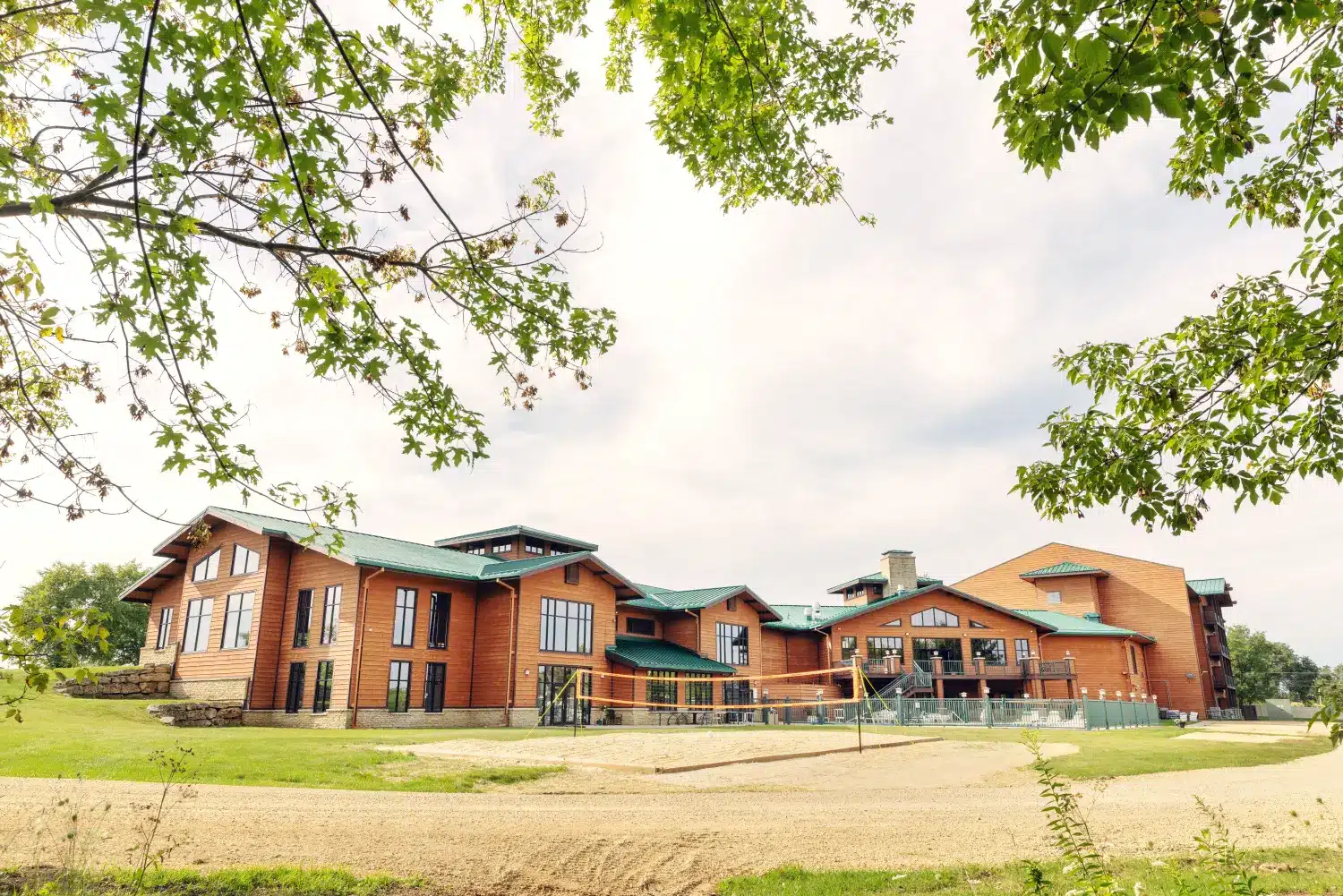
Mountain Springs Recovery - Monument, Colorado

GET HONEST & ACCURATE QUOTE

Colorado Springs Drug & Addiction Rehab: Addiction Treatment Near Colorado Springs

Upscale Colorado facility with medication assisted treatment and Non-12-Step program options

  • Keep your phone and laptop
  • Safe 24/7 monitored detox
  • SMART options
  • Dual diagnosis programs
  • Long-term arrangements
  • Thorough aftercare planning
  • Located in Monument, CO
  • Out of state options in CA, TX and IL
VERIFY INSURANCE

Check your coverage and get informed on admission process! Call us at:

555-555-5555*

*HIPPA Compliant and 100% confidential

MAXIMIZE YOUR PPO COVERAGE WITH OUR HELP

We will work with insurance to get you the best possible coverage and minimize expenses.

Addiction can gradually narrow a person’s life until obtaining, using, and recovering from drugs or alcohol begins to take priority over health, relationships, work, and the future. When attempts to stop have not lasted, or when withdrawal, overdose risk, or co-occurring mental health symptoms make recovery difficult, structured treatment can provide a safer way forward.

Sunshine Behavioral Health connects adults from Colorado Springs and surrounding communities with care at Mountain Springs Recovery, our drug and alcohol treatment center in Monument, Colorado. Located just north of Colorado Springs, Mountain Springs Recovery offers a nearby change of environment without requiring clients to leave the state or travel far from their support systems.

Our continuum of care includes medical detox, residential addiction treatment, dual diagnosis services, medication-assisted treatment when clinically appropriate, and continuing care planning. Every person arrives with a different history, so treatment begins with an assessment and an individualized plan rather than a one-size-fits-all program.

If you or someone you love needs help, our admissions team is available to listen, explain the available options, and help you determine an appropriate next step.

When Is It Time to Consider Inpatient Addiction Rehab?

There is no single event a person must experience before seeking inpatient addiction treatment. You do not need to lose a job, experience an overdose, or reach a point of crisis to deserve help. Residential rehab may be worth considering whenever substance use has become difficult to control or is creating consequences that continue despite sincere efforts to change.

Inpatient treatment can be particularly helpful for people who need distance from everyday triggers, around-the-clock structure, close clinical support, or coordinated care for both addiction and mental health concerns. A professional assessment can help distinguish between medical detox, residential treatment, outpatient care, or another level of support.

Signs That Substance Use May Require Professional Treatment

Substance use can look different from one person to the next. Some people continue meeting many responsibilities while privately struggling with cravings, withdrawal, or repeated loss of control. Others experience rapid and visible disruption. Possible signs that professional treatment may be needed include:

  • Using more of a substance, or using it for longer, than intended
  • Repeatedly trying to reduce or stop without being able to maintain the change
  • Strong cravings or spending substantial time obtaining, using, or recovering from substances
  • Needing larger amounts to experience the same effect
  • Feeling physically or emotionally unwell when use is reduced or stopped
  • Missing work, school, family, or financial responsibilities
  • Withdrawing from relationships, hobbies, or activities that once mattered
  • Continuing to use despite health, legal, interpersonal, or occupational consequences
  • Using substances in dangerous situations or combining substances in ways that raise overdose risk
  • Experiencing blackouts, overdose, severe intoxication, or other emergencies
  • Using alcohol or drugs to manage anxiety, depression, trauma symptoms, sleep problems, or emotional pain
  • Returning to use after outpatient care, support groups, or previous treatment

Not every sign automatically means inpatient rehab is the right level of care. However, multiple signs, or even one serious safety concern, are good reasons to speak with a qualified treatment professional.

When Outpatient Support May Not Be Enough

Outpatient treatment can be effective when a person is medically stable, has a safe and supportive home environment, and can reliably participate in scheduled care. It may not provide enough structure when substances remain readily available, the home environment reinforces use, withdrawal needs medical management, or symptoms become difficult to manage between appointments.

Residential treatment may be recommended when a person:

  • Has experienced repeated return to use while receiving outpatient services
  • Cannot safely stop using without medical monitoring
  • Lives with active substance use, conflict, violence, or other destabilizing conditions
  • Has intense cravings or limited ability to avoid high-risk people and places
  • Has co-occurring psychiatric symptoms that complicate recovery
  • Needs more time and support to stabilize medications or develop coping skills
  • Has difficulty attending or engaging consistently in outpatient sessions
  • Needs a protected period away from work, social, or environmental pressures

The appropriate level of care should be based on clinical needs, not shame or assumptions about willpower. A higher level of support is not a failure; it is a treatment decision.

Addiction Treatment at Mountain Springs Recovery

Mountain Springs Recovery provides addiction treatment in Monument, Colorado, a short drive north of Colorado Springs. Our campus offers a structured setting where clients can step away from familiar triggers and devote focused time to physical stabilization, emotional healing, and long-term recovery planning.

Treatment may include medical evaluation, individual and group therapy, psychiatric support, relapse-prevention work, recovery education, medication management, wellness activities, and planning for the next level of care. Our clinical team considers the substances involved, duration and pattern of use, physical health, mental health symptoms, prior treatment, living situation, support network, and personal goals when developing recommendations.

Clients are encouraged to take an active role in treatment. Recovery is more likely to feel meaningful when people understand why particular services are recommended, can discuss what is or is not helping, and participate in setting practical goals for life after rehab.

Addictions We Treat Near Colorado Springs

Substance use disorders can involve legal substances, illegal drugs, prescriptions, or several substances at once. The effects and withdrawal risks vary, but treatment commonly addresses the habits, triggers, emotional patterns, relationships, and health consequences surrounding use.

Admission depends on each person’s needs and our ability to provide an appropriate level of care. Our admissions team can discuss your circumstances confidentially and help determine whether Mountain Springs Recovery is a suitable option.

Alcohol Addiction

Alcohol use disorder can develop gradually. A person may begin drinking more often, need more alcohol to feel its effects, have trouble stopping once drinking begins, or rely on alcohol to relax, sleep, socialize, or cope with difficult emotions. Because alcohol is widely available and socially accepted, harmful patterns can be minimized for years.

Treatment can address both physical dependence and the reasons drinking became difficult to control. Depending on clinical needs, care may begin with medically supervised alcohol detox and continue with therapy, relapse-prevention planning, recovery support, and medications for alcohol use disorder when appropriate. People who have been drinking heavily over a prolonged period should not abruptly stop without medical guidance because alcohol withdrawal can be dangerous.

Opioid Addiction

Opioid addiction may involve prescription pain medications, fentanyl, heroin, or other opioids. Tolerance and physical dependence can develop, and the unpredictable presence of fentanyl in the illicit drug supply has made overdose risk especially serious.

Treatment may involve withdrawal management, behavioral therapies, overdose-prevention education, and medication-assisted treatment. Medications can reduce withdrawal symptoms and cravings or support longer-term recovery for some clients. Treatment also helps clients identify pain, stress, trauma, relationships, or environments connected with opioid use and prepare for periods of heightened vulnerability after leaving a structured setting.

Heroin Addiction

Heroin use carries substantial risks, including overdose, infectious disease, organ damage, and exposure to substances mixed with fentanyl or other unexpected ingredients. Fear of withdrawal can make it extremely difficult to stop without help.

Heroin addiction treatment may begin with medical detox and a review of medication options. Residential care then creates time to work on cravings, conditioned behaviors, emotional health, damaged relationships, and a realistic continuing-care plan. Because opioid tolerance can fall during abstinence, overdose-prevention planning is a critical part of preparing for life after treatment.

Benzodiazepine Addiction

Benzodiazepines are prescribed for concerns such as anxiety, panic, seizures, and insomnia, but they can also lead to dependence. Misuse may include taking a higher dose than prescribed, using someone else’s medication, mixing benzodiazepines with alcohol or opioids, or feeling unable to function without them.

Stopping benzodiazepines suddenly can cause significant withdrawal symptoms and may be medically dangerous in some circumstances. A supervised, individualized plan may involve gradual dose reduction and monitoring rather than abrupt discontinuation. Treatment also addresses the anxiety, sleep problems, trauma, or other concerns that may have contributed to ongoing use.

Cocaine Addiction

Cocaine can produce brief periods of energy, confidence, and euphoria followed by crashes that may include fatigue, depressed mood, irritability, anxiety, and intense cravings. Repeated use can affect cardiovascular health, sleep, judgment, finances, work, and relationships.

Treatment focuses on interrupting the cycle of stimulation, crash, craving, and reuse. Clients can learn to identify cues, manage urges, rebuild healthy sleep and nutrition, and develop alternatives to using cocaine for performance, social confidence, or emotional escape. Clinical support is especially important when the post-use crash involves severe depression or thoughts of self-harm.

Methamphetamine Addiction

Methamphetamine can affect sleep, appetite, memory, mood, impulse control, and perception. Some people experience paranoia, hallucinations, agitation, or severe depression. The early period after stopping may include exhaustion, disrupted sleep, low motivation, and strong cravings.

Residential treatment provides structure while the body and mind begin to stabilize. Care may include psychiatric evaluation, behavioral therapy, relapse-prevention strategies, recovery education, and gradual restoration of healthy routines. Progress may occur unevenly, making patience and ongoing support particularly important.

Prescription Stimulant Addiction

Prescription stimulants are commonly used to treat conditions such as ADHD, but taking them without a prescription or outside medical direction can lead to harmful patterns. Misuse may involve taking extra doses, changing the method of use, combining stimulants with other substances, or relying on them to work, study, manage weight, or avoid sleep.

Treatment examines both the stimulant use and the needs that the medication was being used to meet. If attention difficulties, anxiety, depression, disordered sleep, or performance pressure are present, those concerns should be evaluated rather than ignored. Recovery planning can help clients build sustainable approaches to productivity, energy, and concentration.

Marijuana Addiction

Not everyone who uses cannabis develops a substance use disorder, but some people experience cravings, tolerance, withdrawal symptoms, and difficulty cutting back. Cannabis use may interfere with memory, motivation, mood, school, work, or relationships. Some people also rely on it to sleep or regulate emotions and find that stopping brings irritability, anxiety, appetite changes, or insomnia.

Treatment can help clients examine how cannabis functions in their lives, recognize triggers, manage discomfort without returning to use, and address co-occurring concerns. The goal is not to compare one person’s cannabis use with someone else’s drug use; it is to evaluate whether the pattern is causing harm and whether support could help.

Polysubstance Addiction

Polysubstance use means using more than one substance, either together or at different times. Examples include combining alcohol with benzodiazepines, using stimulants and opioids, or taking one drug to counteract the effects of another. These combinations can make intoxication, withdrawal, diagnosis, and overdose risk more complex.

A complete and honest substance-use history allows medical and clinical professionals to develop a safer plan. Treatment considers how the substances interact, which withdrawal symptoms may emerge, and whether one substance tends to trigger use of another. Clients are not expected to diagnose their own dependence before asking for help.

Medical Detox Near Colorado Springs

Medical detox helps a person stop using drugs or alcohol while receiving monitoring and support for withdrawal. At Mountain Springs Recovery, detox is part of a broader continuum rather than a substitute for addiction treatment. Stabilization creates an opportunity to participate more fully in the therapeutic work that follows.

Attempting to detox alone can be unsafe, particularly when alcohol, benzodiazepines, or multiple substances are involved. If someone is experiencing a suspected overdose, seizure, severe confusion, hallucinations, chest pain, difficulty breathing, loss of consciousness, or immediate danger, call 911 rather than waiting for a routine admissions assessment.

What Happens During Medical Detox?

Detox generally begins with an evaluation of recent substance use, withdrawal history, physical and mental health, medications, and immediate safety concerns. The care team may monitor vital signs, hydration, sleep, nutrition, discomfort, and changes in symptoms. Medications may be used when clinically appropriate to reduce certain withdrawal symptoms, prevent complications, or support stabilization.

The experience is individualized. Two people who use the same substance may have very different needs based on dose, frequency, duration, overall health, co-occurring substance use, and past withdrawal complications. Medical staff use ongoing observation to respond to changes rather than relying only on an initial estimate.

Managing Withdrawal Symptoms Safely

Withdrawal can involve physical and emotional symptoms such as sweating, nausea, tremors, muscle aches, gastrointestinal distress, restlessness, anxiety, irritability, sleep disruption, or changes in mood. Certain withdrawal syndromes can involve serious complications.

Medical supervision provides a controlled environment where symptoms can be assessed and treatment adjusted. It also reduces immediate access to substances and gives clients support through the periods when discomfort and cravings might otherwise lead to a quick return to use.

Substances That May Require Medically Supervised Detox

Whether detox is needed depends on the person, not simply the name of the substance. Medical supervision is often considered when physical dependence, heavy or prolonged use, prior severe withdrawal, significant medical conditions, pregnancy, co-occurring psychiatric symptoms, or polysubstance use is present.

Alcohol and benzodiazepine withdrawal require particular caution because abrupt discontinuation can lead to dangerous complications. Opioid withdrawal is often intensely uncomfortable and can create a high risk of returning to use, while reduced tolerance after abstinence can increase overdose danger. Stimulant withdrawal may require close attention to depression, exhaustion, agitation, or suicidal thinking. A clinician should determine the safest approach.

How Long Does Detox Take?

There is no universal detox timeline. The acute phase may last several days, but the onset and duration of symptoms vary according to the substance, the amount and frequency used, metabolism, overall health, other substances or medications, and whether a taper is needed. Some symptoms, especially sleep problems, mood changes, or cravings, may persist beyond the initial stabilization period.

Admissions staff can discuss what is typical, but an exact timeline usually cannot be promised before evaluation and observation. The goal is not to finish detox as quickly as possible. The goal is to stabilize safely and prepare for continued treatment.

Transitioning From Detox to Ongoing Addiction Treatment

Completing detox does not resolve the patterns, emotions, environments, and health concerns that contribute to addiction. Without a next step, a person may return to the same triggers with lower tolerance and limited new coping skills.

When clinically appropriate, clients can transition from detox into residential treatment at Mountain Springs Recovery. This continuity reduces gaps in care and allows the medical and clinical teams to coordinate treatment. Residential programming then shifts the emphasis from acute withdrawal to therapy, skill building, relapse prevention, mental health care, and planning for life beyond the campus.

Residential Addiction Treatment Near Colorado Springs

Residential rehab provides an immersive treatment environment where clients live on campus and follow a structured schedule. Removing the day-to-day demands and access points associated with substance use can create the breathing room needed to practice new behaviors.

At Mountain Springs Recovery, residential care may include individual counseling, group therapy, recovery education, psychiatric services, medication management, wellness activities, peer support, and discharge planning. Treatment plans evolve as clients stabilize and the team gains a fuller understanding of their needs.

Residential care is not meant to isolate clients from real life indefinitely. It is a period of focused preparation. Therapy can help clients recognize relapse patterns, communicate more effectively, tolerate distress, respond to cravings, rebuild routines, and make practical decisions about housing, work, relationships, and follow-up care.

Dual Diagnosis Treatment Near Colorado Springs

Addiction frequently overlaps with mental health conditions such as anxiety, depression, post-traumatic stress disorder, bipolar disorder, and other mood or trauma-related concerns. Sometimes substance use begins as an attempt to manage painful symptoms. In other cases, prolonged use worsens or mimics psychiatric symptoms. Often, the relationship runs in both directions.

Dual diagnosis treatment addresses substance use and mental health together when clinically appropriate. This coordinated approach may include psychiatric assessment, medication management, individual and group therapy, trauma-informed care, and coping-skills development.

Accurate assessment can take time, particularly during withdrawal and early abstinence. The clinical team may monitor symptoms as the client stabilizes, review past diagnoses and treatment, and adjust the care plan as new information emerges. Treating both sides of the problem can help clients avoid a cycle in which unmanaged symptoms trigger substance use and substance use intensifies those symptoms.

12-Step and Non-12-Step Recovery Options

Recovery is not limited to a single philosophy. Some clients find meaning, accountability, and fellowship in 12-Step principles. Others respond better to secular, skills-based, or self-management approaches. Mountain Springs Recovery offers 12-Step and non-12-Step options, including SMART Recovery programming.

Exposure to different recovery frameworks can help clients identify the tools and community that fit their values. Participation in treatment remains broader than attending meetings: therapy, medical support, psychiatric care, education, healthy routines, and aftercare planning all play important roles. The aim is to help each client build a recovery plan they can realistically continue after returning to Colorado Springs.

Holistic Support for Addiction Recovery

Clinical treatment addresses the medical, psychological, and behavioral aspects of addiction. Holistic services can complement that work by helping clients reconnect with their bodies, reduce stress, rediscover interests, and establish routines that support overall well-being.

These activities are not replacements for evidence-based treatment. They are additional opportunities to practice attention, movement, creativity, self-care, and healthy enjoyment without drugs or alcohol.

Mindfulness and Meditation

Mindfulness teaches clients to notice thoughts, sensations, and cravings without automatically acting on them. Meditation and grounding practices may help create a small but valuable pause between an uncomfortable feeling and a familiar response. With practice, clients can become more aware of early warning signs and choose coping strategies more deliberately.

Yoga and Physical Activity

Movement can help restore routine and support physical well-being after periods of disrupted sleep, inactivity, or neglect. Yoga may combine gentle movement with breathing and body awareness, while other forms of exercise can provide structure, stress relief, and achievable goals. Activities are adapted to individual health and ability rather than treated as a test of fitness.

Art and Experiential Activities

Not every experience is easy to explain in conversation. Creative and experiential activities can give clients other ways to explore emotion, identity, values, and change. They may also help people rediscover curiosity and enjoyment, important parts of building a life that does not revolve around substance use.

Nutrition and Healthy Routines

Addiction often disrupts meals, hydration, sleep, hygiene, and medical self-care. Regular meals and a consistent daily rhythm can support early stabilization. Recovery education can also help clients understand how hunger, exhaustion, loneliness, and unmanaged stress may make cravings or impulsive decisions harder to handle.

Recreation and Time Outdoors

Mountain Springs Recovery’s Colorado setting offers opportunities for recreation and time outside. Outdoor activity can provide a change of pace from intensive clinical work and help clients practice being present, interacting socially, and enjoying sober experiences. The specific activities available may depend on weather, scheduling, clinical appropriateness, and program policies.

What Is a Typical Day in Residential Rehab Like?

A typical day balances structure with time to rest, reflect, and attend to individual needs. Exact schedules vary, but a day may begin with breakfast, medications when prescribed, a morning check-in, or a mindfulness activity. Clients may then participate in psychoeducational or process groups addressing topics such as cravings, emotional regulation, relationships, relapse patterns, communication, or recovery planning.

Individual therapy, psychiatric appointments, case-management meetings, and medical visits are scheduled according to each client’s plan. Meals and planned breaks divide the day, while fitness, recreation, outdoor time, or holistic activities may provide healthy movement and variety.

Afternoon and evening programming may include additional groups, peer support, 12-Step or non-12-Step meetings, reflective assignments, and preparation for the next day. Some time may be available for approved phone or laptop use within program expectations. The schedule is structured, but treatment is not identical for every person.

Why Choose Mountain Springs Recovery?

Choosing a rehab involves more than finding an open bed. The setting, clinical capabilities, day-to-day environment, communication policies, and plan for continuing care can all influence whether a program fits your needs. Mountain Springs Recovery combines structured addiction treatment with a comfortable campus close to Colorado Springs.

A Peaceful Rocky Mountain Setting

Mountain Springs Recovery is located in Monument, with views and access to the natural beauty of the Front Range. The setting creates physical distance from everyday triggers without placing Colorado Springs residents far from home. A calmer environment can make it easier to concentrate on treatment and begin separating recovery from the places and routines associated with use.

A Comfortable Campus With Space to Focus on Recovery

Clients live and receive care on a campus designed to support an extended stay. Comfortable accommodations, shared spaces, meals, recreation, and areas for reflection can make residential treatment feel less institutional while preserving the structure needed for recovery.

Comfort is not the treatment itself, but it matters. When basic needs are met and the environment feels stable, clients may have more energy to engage in difficult therapeutic work.

Personalized Addiction Treatment

Substance use histories do not fit neatly into templates. We develop treatment recommendations after reviewing factors such as the substances used, medical needs, withdrawal risk, mental health, trauma history, family dynamics, prior treatment, and recovery goals.

Personalization also means revisiting the plan. Needs that are not obvious during admission may become clearer after stabilization, and interventions can be adjusted as a client progresses.

Medical and Clinical Support

Our continuum includes medical detox, residential treatment, dual diagnosis care, psychiatric support, and medication-assisted treatment when appropriate. This allows multiple aspects of recovery to be addressed in a coordinated setting.

Clinical services can help clients understand the thoughts, emotions, relationships, and behaviors tied to use, while medical support addresses physical safety, withdrawal, medication, and other health concerns within the facility’s scope of care.

Cellphone- and Laptop-Friendly Policies

Mountain Springs Recovery is cellphone- and laptop-friendly. We recognize that connection with loved ones and, for some clients, limited attention to essential responsibilities can reduce barriers to entering treatment.

Device access still exists within a therapeutic environment. Clients are expected to follow program guidelines and avoid allowing work, social media, outside conflict, or other distractions to interfere with treatment. Admissions staff can explain current device expectations before arrival.

Fitness, Recreation, and Outdoor Amenities

Recovery should include opportunities to practice healthy ways of using time and managing stress. Fitness areas, recreation, group activities, and outdoor experiences can complement therapy and help clients begin building a more balanced routine.

Available activities can vary with weather, scheduling, safety, and individual clinical needs. Prospective clients who care about a specific amenity should confirm current availability with admissions.

Flexible Treatment Lengths

Some clients need a shorter period of stabilization and intensive treatment, while others benefit from more time to address long-standing patterns or complex co-occurring concerns. Mountain Springs Recovery offers varying program lengths, and recommendations are individualized.

Length of stay may also be affected by progress, clinical necessity, insurance authorization, and aftercare arrangements. Our team can discuss potential options during the admissions and utilization-review process, but continued coverage is determined by the insurance plan.

Comprehensive Aftercare Planning

The transition home is one of the most important parts of treatment. Aftercare planning begins before discharge and considers where the client will live, what level of care should follow, which providers will be involved, how medications will be managed, and what support is available.

A plan may include partial hospitalization or intensive outpatient programming, outpatient therapy, psychiatric care, medication-assisted treatment, recovery meetings, sober living, alumni or peer support, family involvement, and strategies for responding to cravings or a lapse. Recommendations are tailored to individual needs and available resources.

Traveling From Colorado Springs to Mountain Springs Recovery

Mountain Springs Recovery is located at 1865 Woodmoor Drive in Monument, Colorado, north of Colorado Springs. For many Colorado Springs residents, the drive is roughly 20 to 30 minutes, though travel time depends on the starting point and traffic.

The proximity offers a useful balance: clients can leave their immediate environment and enter a dedicated residential setting while remaining relatively close to family and community supports. Monument is generally reached from Colorado Springs via I-25 North.

Do not let transportation concerns prevent you from calling. Our admissions team can discuss arrival options and help identify what transportation assistance may be available. Arrangements should be confirmed in advance rather than assumed.

Preparing to Return to Colorado Springs After Rehab

Returning home can bring both excitement and uncertainty. The routines, relationships, stressors, and locations connected with past use may still be present, so discharge planning should turn what was learned in treatment into specific actions.

A practical return-to-home plan may address:

  • Scheduling outpatient therapy or a step-down program before discharge
  • Continuing psychiatric care and medication management
  • Identifying local 12-Step, SMART Recovery, or other peer-support meetings
  • Removing substances and drug-related items from the home
  • Discussing boundaries with people who use substances
  • Creating a daily schedule for sleep, meals, work, exercise, and appointments
  • Planning how to respond to cravings, conflict, loneliness, pain, or unexpected contact from former using companions
  • Identifying people to call before a high-risk moment becomes a crisis
  • Keeping naloxone accessible when opioid risk is relevant and teaching loved ones how to use it
  • Considering sober living if the prior home environment is not stable or supportive

Aftercare is most useful when it is concrete. “Stay sober” is a goal; knowing where you will go, who you will call, and what you will do on a difficult evening is a plan.

Paying for Drug and Alcohol Rehab

The cost of treatment varies with the level of care, length of stay, clinical services, insurance benefits, deductibles, copayments, coinsurance, and network status. Mountain Springs Recovery works with many insurance plans, but coverage is never identical across all policies, even when two people have insurance through the same company.

Our admissions team can verify benefits and explain the information provided by your insurer, including potential out-of-pocket responsibilities and authorization requirements. Verification is not a guarantee of payment; final coverage depends on the policy, medical-necessity determinations, services received, and the insurer’s claims decisions.

If you do not have insurance or expect a balance after coverage, ask about available private-pay arrangements and payment options. Cost concerns are common, and a confidential conversation can provide far more useful information than assuming care is unaffordable.

How to Choose an Addiction Rehab Near Colorado Springs

The best-known or closest program is not automatically the right one. Look for a treatment center whose services match the person’s medical and clinical needs. Useful questions include:

  • Does the facility provide the recommended level of care?
  • Is medical detox available, and which withdrawal needs can it safely manage?
  • Can addiction and co-occurring mental health conditions be treated together?
  • Are licensed or credentialed medical, psychiatric, and clinical professionals involved?
  • Does the program offer evidence-based behavioral therapies?
  • Is medication-assisted treatment available when appropriate?
  • Are both 12-Step and non-12-Step recovery paths supported?
  • How is the treatment plan individualized and updated?
  • What is the policy for phones, laptops, visitors, and family communication?
  • How does the center prepare clients for discharge and coordinate continuing care?
  • Is the program accredited or independently evaluated?
  • Will the admissions team explain insurance and expected costs clearly?
  • What happens if the person’s needs exceed the facility’s capabilities?

Mountain Springs Recovery holds The Joint Commission’s Gold Seal of Approval and is LegitScript certified. These credentials can be part of your evaluation, but you should also speak directly with admissions about the specific services you need.

Be cautious of anyone who guarantees a cure, promises that insurance will pay every dollar, pressures you to travel immediately without an assessment, or will not clearly identify the facility where care will be provided. Reputable admissions teams should be willing to answer direct questions.

Start Your Recovery Near Colorado Springs Today

You do not need to determine the correct diagnosis, level of care, or treatment length before reaching out. The first step can simply be an honest conversation about what has been happening and what kind of help may be appropriate.

Mountain Springs Recovery offers medical detox, residential addiction treatment, dual diagnosis services, medication-assisted treatment when clinically appropriate, and aftercare planning at our Monument campus near Colorado Springs. Our team can answer questions, review treatment needs, verify insurance benefits, and discuss transportation and admission.

Contact Sunshine Behavioral Health today to learn whether Mountain Springs Recovery may be the right place for you or someone you love. If there is an overdose, medical emergency, or immediate threat of harm, call 911. If you or someone else is in suicidal crisis, call or text 988 for the Suicide & Crisis Lifeline.

Frequently Asked Questions

Is Mountain Springs Recovery Located in Colorado Springs?

No. Mountain Springs Recovery is located at 1865 Woodmoor Drive in Monument, Colorado, just north of Colorado Springs. The nearby location allows Colorado Springs residents to receive treatment outside their everyday environment while remaining within the region.

How Far Is the Rehab Center From Colorado Springs?

Mountain Springs Recovery is roughly 20 to 30 minutes from many parts of Colorado Springs by car. The exact distance and travel time depend on your starting location and traffic. Admissions can provide destination information and help you plan your arrival.

Do I Need Detox Before Entering Residential Rehab?

Not everyone needs medical detox. The decision depends on the substances used, frequency and amount, time since last use, withdrawal history, physical health, medications, and other safety factors. An admissions assessment helps determine whether detox should come before residential programming.

Can I Go Directly From Detox Into Residential Treatment?

Yes, clients may transition from detox into residential treatment at Mountain Springs Recovery when it is clinically appropriate and admission requirements are met. Moving directly into ongoing care can reduce gaps in support and allow clients to begin therapy and recovery planning after stabilization.

Can I Keep My Phone or Laptop During Treatment?

Mountain Springs Recovery is cellphone- and laptop-friendly and does not require a standard blackout period. Devices must be used in accordance with facility guidelines and may not interfere with therapy, privacy, safety, or the treatment schedule. Ask admissions about the current policy and any items or uses that are restricted.

Does Mountain Springs Recovery Offer Non-12-Step Treatment?

Yes. Mountain Springs Recovery supports both 12-Step and non-12-Step approaches, including SMART Recovery options. Clients can explore recovery frameworks and identify strategies that align with their needs, preferences, and values.

Is Medication-Assisted Treatment Available?

Medication-assisted treatment is available when clinically appropriate. MAT combines medication with counseling and behavioral support and may be used for opioid or alcohol use disorders. Medication recommendations are individualized and depend on medical evaluation, treatment goals, and the services Mountain Springs Recovery can safely provide.

Can Addiction and Mental Health Conditions Be Treated Together?

Yes. Mountain Springs Recovery provides dual diagnosis care for clients who have a substance use disorder and co-occurring mental health concerns such as anxiety, depression, bipolar disorder, PTSD, or trauma-related symptoms, when appropriate for the program. An assessment helps the team develop a coordinated treatment plan.

Does Insurance Cover Rehab Near Colorado Springs?

Many health insurance plans include benefits for substance use disorder treatment, but coverage varies by policy and level of care. Deductibles, copays, coinsurance, network rules, prior authorization, and medical-necessity reviews may affect what a person owes. Our admissions team can verify benefits and discuss potential costs, although verification cannot guarantee claim payment.

Can My Family Participate in My Treatment?

Family involvement may be incorporated when it is clinically appropriate, permitted by the client, and available within the treatment plan. This may include education, communication with the care team, therapy or support sessions, and discharge planning. Privacy laws and client consent determine what information can be shared.

What Happens After I Complete Residential Rehab?

Before discharge, the treatment team works with the client on a continuing-care plan. Recommendations may include PHP, IOP, outpatient counseling, medication management, MAT, peer-support meetings, sober living, or other community services. The plan depends on progress, risks, home environment, and ongoing clinical needs.

Can Someone Help Me Arrange Transportation to Treatment?

Transportation assistance or coordination may be available depending on the circumstances. Call admissions before making plans so the team can discuss your location, arrival timing, safety needs, and available options. Do not assume a particular type of transportation is included until it has been confirmed.

What Should I Bring With Me to Rehab?

Bring enough comfortable, seasonally appropriate clothing, basic toiletries, identification, insurance information, and approved prescription medications in their original labeled containers. Colorado weather can change quickly, so layers and suitable footwear may be useful. Leave alcohol, drugs, weapons, unapproved medications, and other prohibited items at home. Because rules can change and some products may not be allowed, request the current packing list from admissions before arriving.

Medical disclaimer:

Sunshine Behavioral Health strives to help people who are facing substance abuse, addiction, mental health disorders, or a combination of these conditions. It does this by providing compassionate care and evidence-based content that addresses health, treatment, and recovery.

Licensed medical professionals review material we publish on our site. The material is not a substitute for qualified medical diagnoses, treatment, or advice. It should not be used to replace the suggestions of your personal physician or other health care professionals.


Sunshine Behavioral Health Facilities

image

Chapters Capistrano

image

Monarch Shores

image

Mountain Springs

image

Willow Springs

image

Lincoln Recovery

image

Wood Violet Recovery

image

Keystone Retreat Behavioral Health

Find out more about our admissions process